



Więcej o książce
An excerpt from the INTRODUCTION - General Character of the Book: This work presents the final words of each of the twelve patriarchs to their sons, inspired by Jacob's last words in Genesis 49. Each patriarch reflects on his character and prophesies the fate of his descendants in the last days, giving the text a prophetic-apocalyptic tone. Six testaments—those of Reuben, Simeon, Judah, Dan, Naphthali, and Joseph—show a notable alignment with Genesis 49 regarding the patriarchs' traits, while the other six do not. Each testament generally consists of three parts: (a) An autobiographical sketch detailing the patriarch's defining vice or virtue, often enhanced by haggadic embellishments; (b) A warning against the identified sin or an exhortation to embrace the specific virtue; (c) A prophecy about the patriarch's descendants, typically predicting their eventual downfall and misfortune, often manifested as captivity among Gentiles. Additionally, some testaments include unique sections unrelated to these main themes, such as visions and hymns, which are intriguing and merit further exploration. The original language of the text was likely Hebrew, though the earliest known version is a Greek translation.
Zakup książki
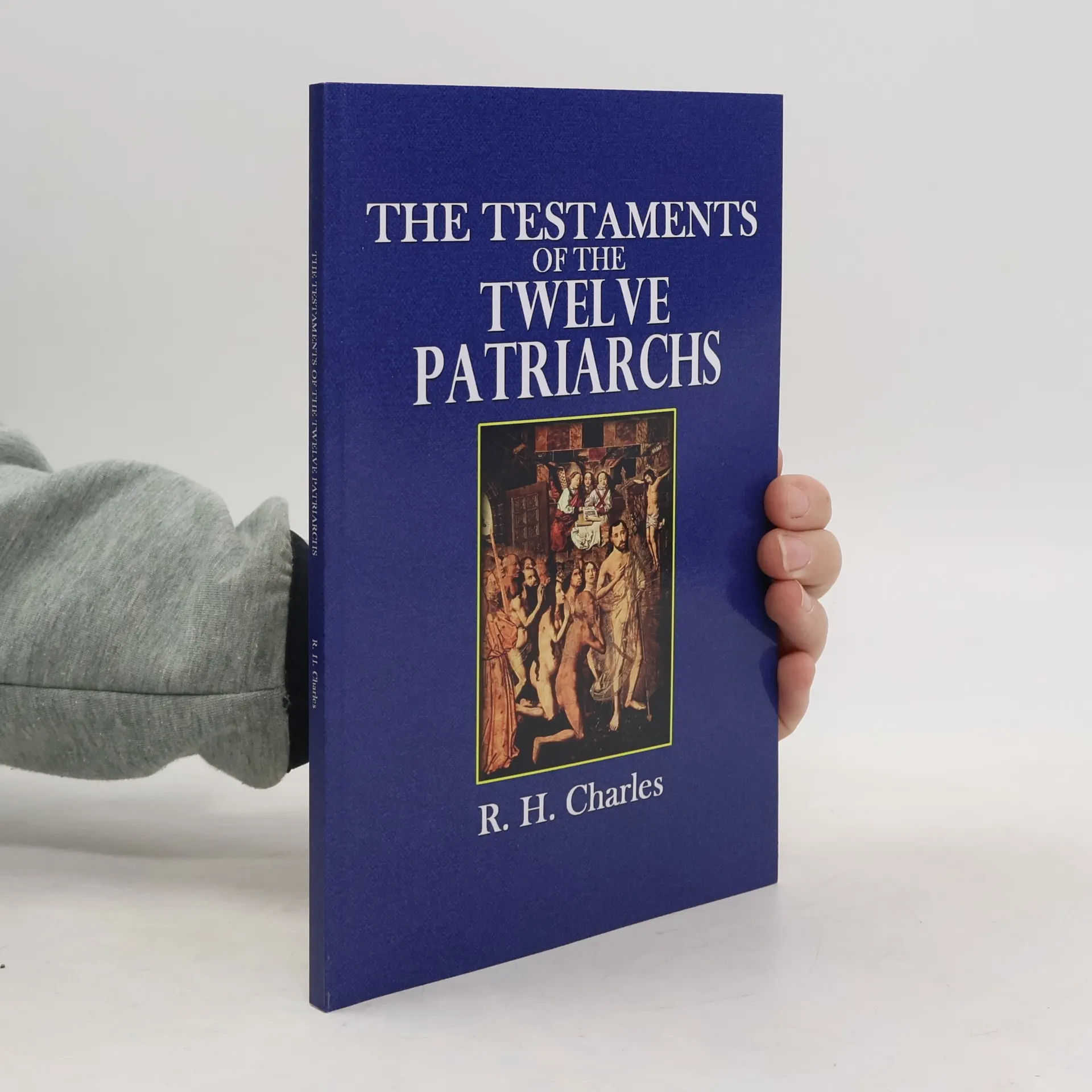
The Testaments of the Twelve Patriarchs, William Oscar Emil Oesterley, R. H. Charles
- Język

- Rok wydania
- 2014
- Oprawa
- (miękka)
Metody płatności
Brakuje nam tutaj Twojej recenzji.
- Tytuł
- The Testaments of the Twelve Patriarchs
- Język
- angielski
- Rok wydania
- 2014
- Oprawa
- miękka
- Liczba stron
- 108
- ISBN10
- 1495203271
- ISBN13
- 9781495203275
- Seria
- Ocena
- 5 z 5
- Opis
- An excerpt from the INTRODUCTION - General Character of the Book: This work presents the final words of each of the twelve patriarchs to their sons, inspired by Jacob's last words in Genesis 49. Each patriarch reflects on his character and prophesies the fate of his descendants in the last days, giving the text a prophetic-apocalyptic tone. Six testaments—those of Reuben, Simeon, Judah, Dan, Naphthali, and Joseph—show a notable alignment with Genesis 49 regarding the patriarchs' traits, while the other six do not. Each testament generally consists of three parts: (a) An autobiographical sketch detailing the patriarch's defining vice or virtue, often enhanced by haggadic embellishments; (b) A warning against the identified sin or an exhortation to embrace the specific virtue; (c) A prophecy about the patriarch's descendants, typically predicting their eventual downfall and misfortune, often manifested as captivity among Gentiles. Additionally, some testaments include unique sections unrelated to these main themes, such as visions and hymns, which are intriguing and merit further exploration. The original language of the text was likely Hebrew, though the earliest known version is a Greek translation.