



Więcej o książce
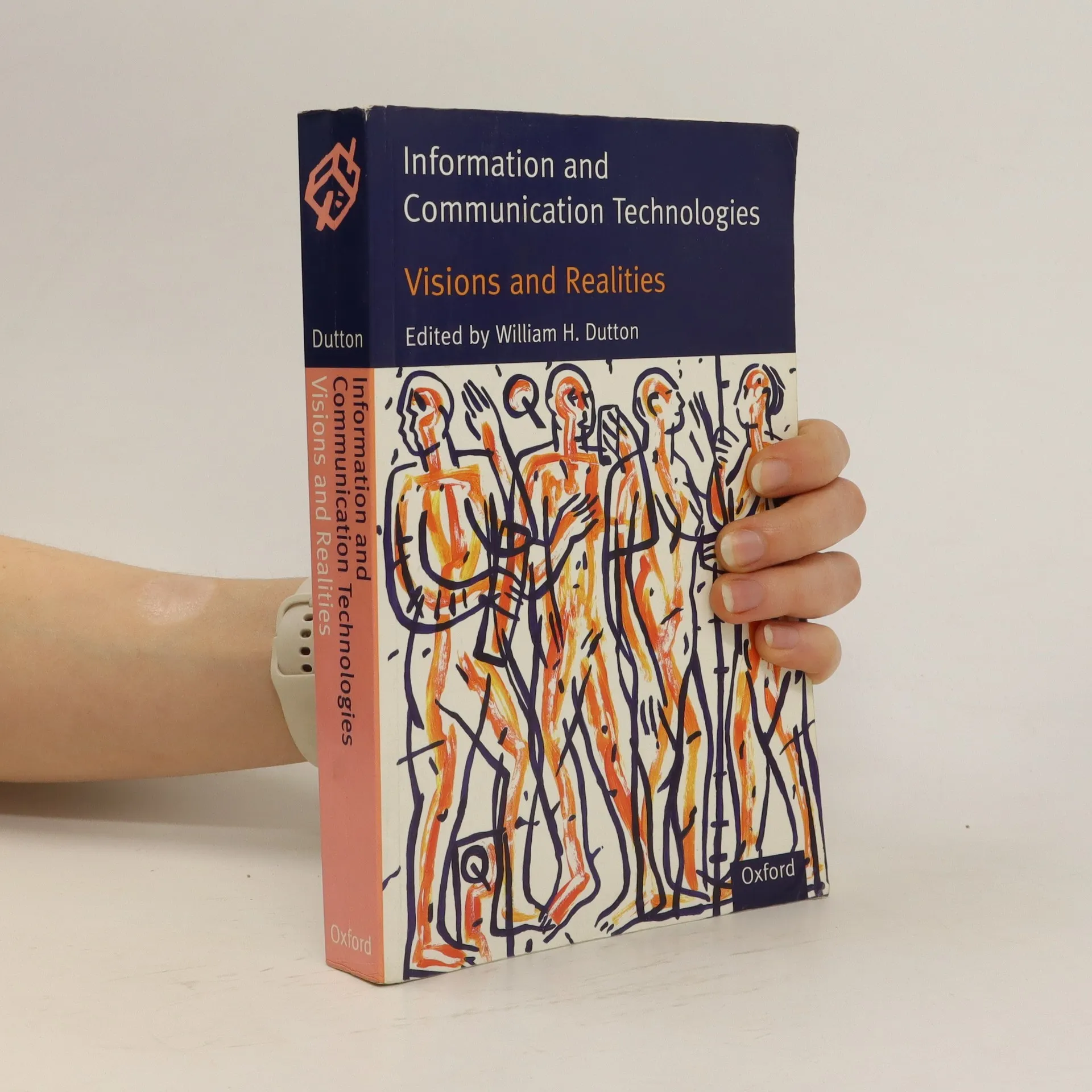
Information and Communication Technologies: Visions and Realities illuminates the social and economic implications of advances in information and communication technologies. It has been written and edited to reach a broad audience across the social sciences interested in constructive ways ofthinking about the social dynamics of the revolution in digital media. Based on a decade of research undertaken by the UK's Programme on Information and Communication Technologies (PICT), this book explains* how social factors influence technological innovation and convergence;* why organizations seek to transform work, services, and management;* ways in which households domesticate new media;* how public policy andregulation shape the impact of technology on employment, media concentration, privacy, and access in an information society.The thirty contributors include leading figures in the field.
Zakup książki
Information and communication technologies : vision and realities, William H. Dutton
- Język

- Rok wydania
- 1996
- Oprawa
- (miękka)
Metody płatności
Brakuje nam tutaj Twojej recenzji.
- Tytuł
- Information and communication technologies : vision and realities
- Język
- angielski
- Autorzy
- William H. Dutton
- Wydawca
- Oxford University Press
- Rok wydania
- 1996
- Oprawa
- miękka
- Liczba stron
- 484
- ISBN10
- 0198774966
- ISBN13
- 9780198774969
- Seria
- Kategorie
- Tagi
- Ocena
- 4 z 5
- Opis
- Information and Communication Technologies: Visions and Realities illuminates the social and economic implications of advances in information and communication technologies. It has been written and edited to reach a broad audience across the social sciences interested in constructive ways ofthinking about the social dynamics of the revolution in digital media. Based on a decade of research undertaken by the UK's Programme on Information and Communication Technologies (PICT), this book explains* how social factors influence technological innovation and convergence;* why organizations seek to transform work, services, and management;* ways in which households domesticate new media;* how public policy andregulation shape the impact of technology on employment, media concentration, privacy, and access in an information society.The thirty contributors include leading figures in the field.