


Więcej o książce
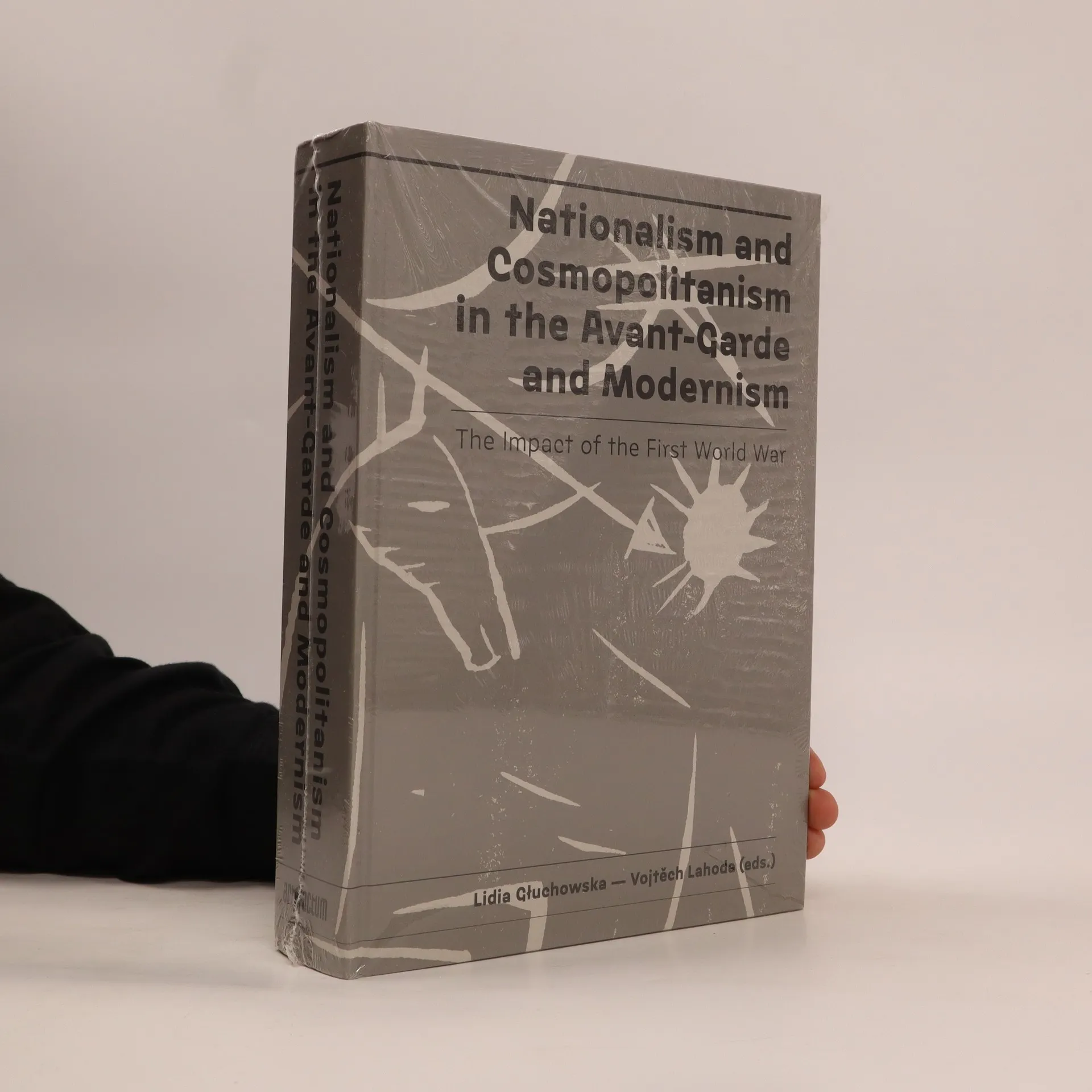
"World War I was a seismic event in Europe whose most concrete ramifications were the sweeping changes made to maps of the continent after 1918. A number of new, independent states were established in the wake of the Armistice, and these tectonic developments found varied expression in the arts, transforming the image of the continent both cartographically and artistically. This new edited collection focuses primarily on how modernism and the avant-garde responded to these geographic changes in Central and Eastern Europe, the Baltic States, and Scandinavia. The contributors explore the clashes between the national, the transnational, and the cosmopolitan as they played out in diverse artistic genres. In many countries across Europe, the struggle for national independence--which in many cases began in the nineteenth century and culminated only after World War I--had important cultural and artistic consequences, which are only beginning to be understood. This book--copublished with Artefactum--provides a crucial new lens to rethink the methodological tools used to understand the complexity and the multiplicity of avant-garde forms in twentieth-century Europe, encouraging scholars to reconstruct global cultural history without tired nationalistic approaches."
Zakup książki
Nationalism and cosmopolitanism in the avant-garde and modernism, Lidia Głuchowska, Vojtěch Lahoda
- Język

- Rok wydania
- 2022
- Oprawa
- (twarda)
Metody płatności
Nikt jeszcze nie ocenił.
- Tytuł
- Nationalism and cosmopolitanism in the avant-garde and modernism
- Język
- angielski
- Autorzy
- Lidia Głuchowska, Vojtěch Lahoda
- Wydawca
- Artefactum
- Rok wydania
- 2022
- Oprawa
- twarda
- Liczba stron
- 631
- ISBN10
- 8088283698
- ISBN13
- 9788088283690
- Seria
- Opis
- "World War I was a seismic event in Europe whose most concrete ramifications were the sweeping changes made to maps of the continent after 1918. A number of new, independent states were established in the wake of the Armistice, and these tectonic developments found varied expression in the arts, transforming the image of the continent both cartographically and artistically. This new edited collection focuses primarily on how modernism and the avant-garde responded to these geographic changes in Central and Eastern Europe, the Baltic States, and Scandinavia. The contributors explore the clashes between the national, the transnational, and the cosmopolitan as they played out in diverse artistic genres. In many countries across Europe, the struggle for national independence--which in many cases began in the nineteenth century and culminated only after World War I--had important cultural and artistic consequences, which are only beginning to be understood. This book--copublished with Artefactum--provides a crucial new lens to rethink the methodological tools used to understand the complexity and the multiplicity of avant-garde forms in twentieth-century Europe, encouraging scholars to reconstruct global cultural history without tired nationalistic approaches."