

Parametry
Więcej o książce
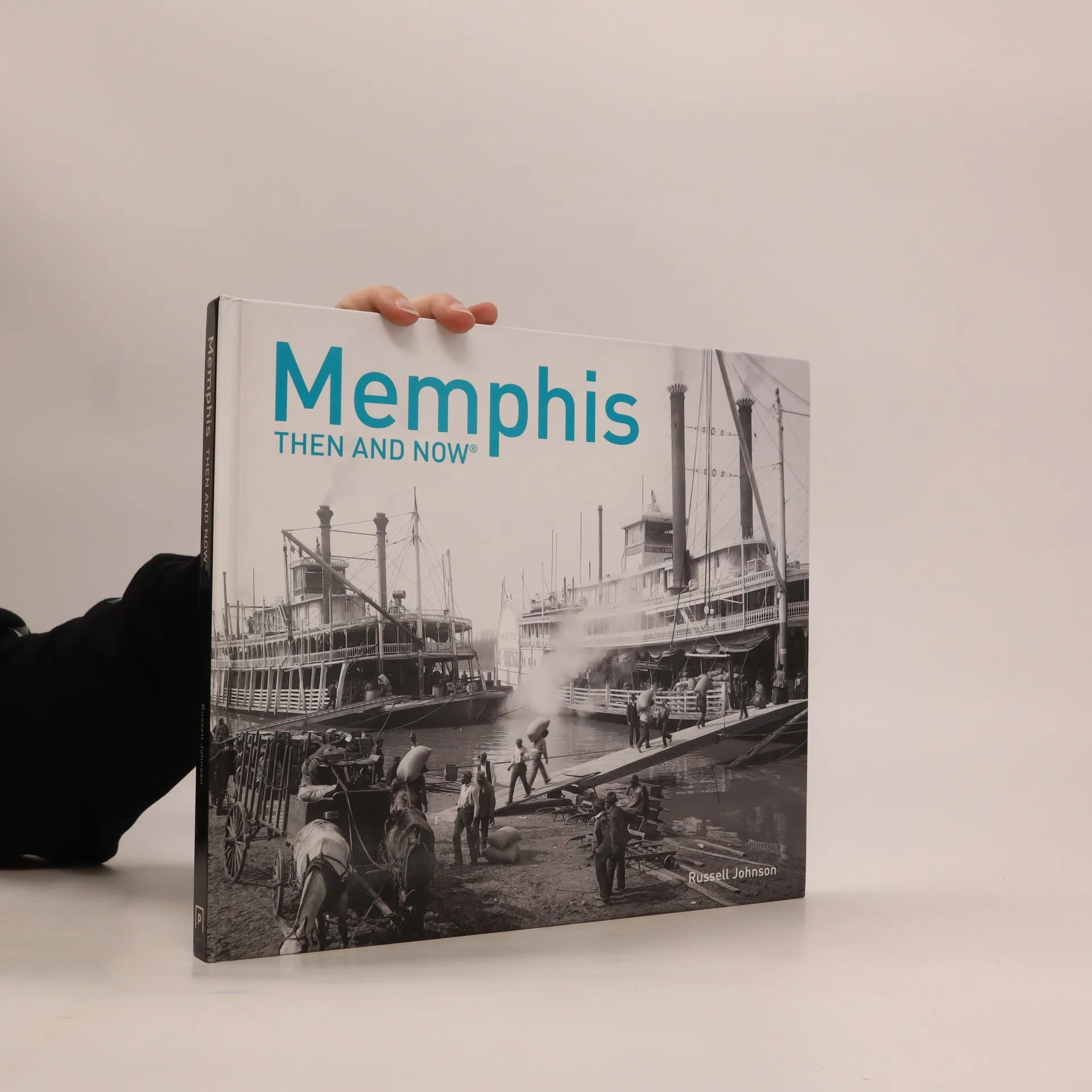
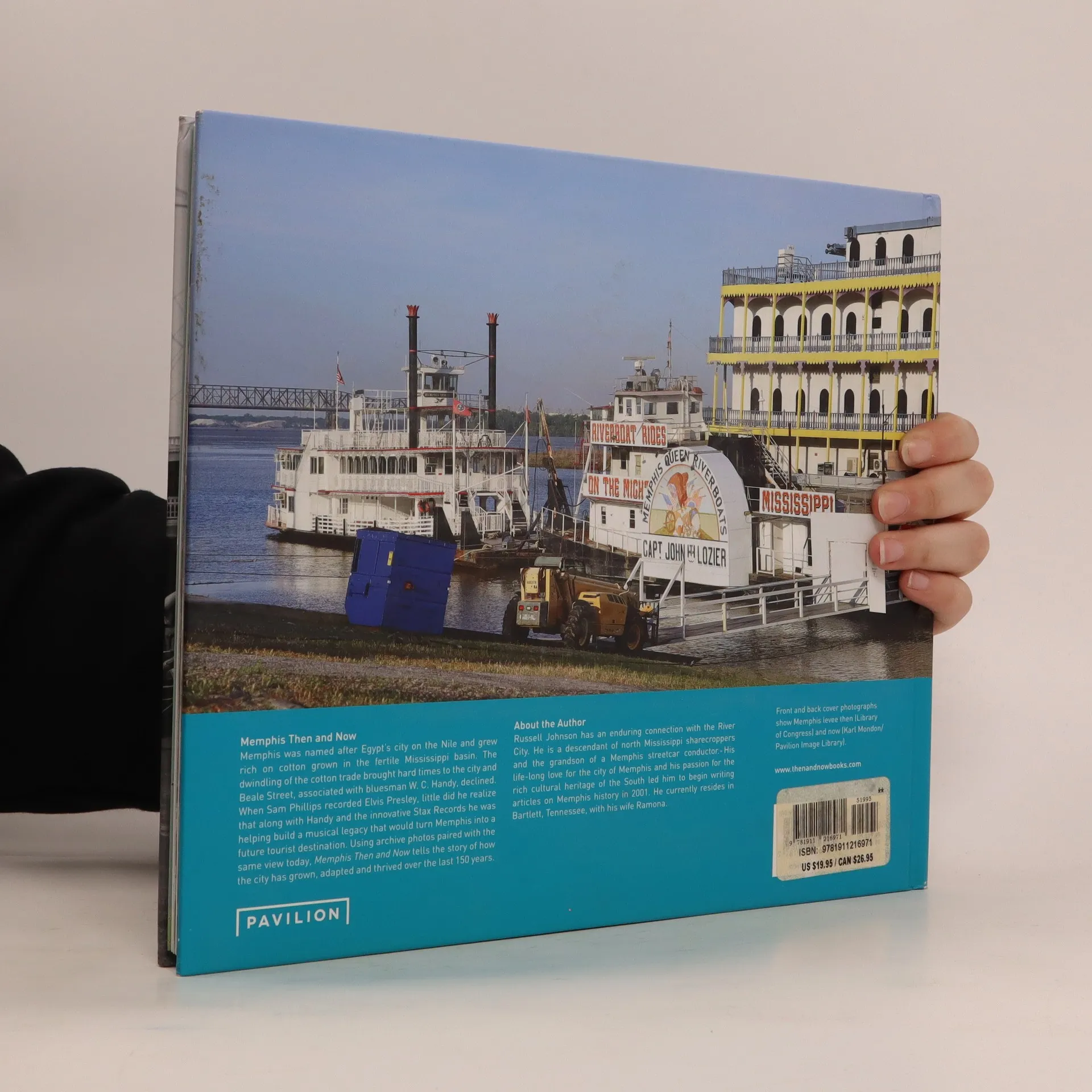
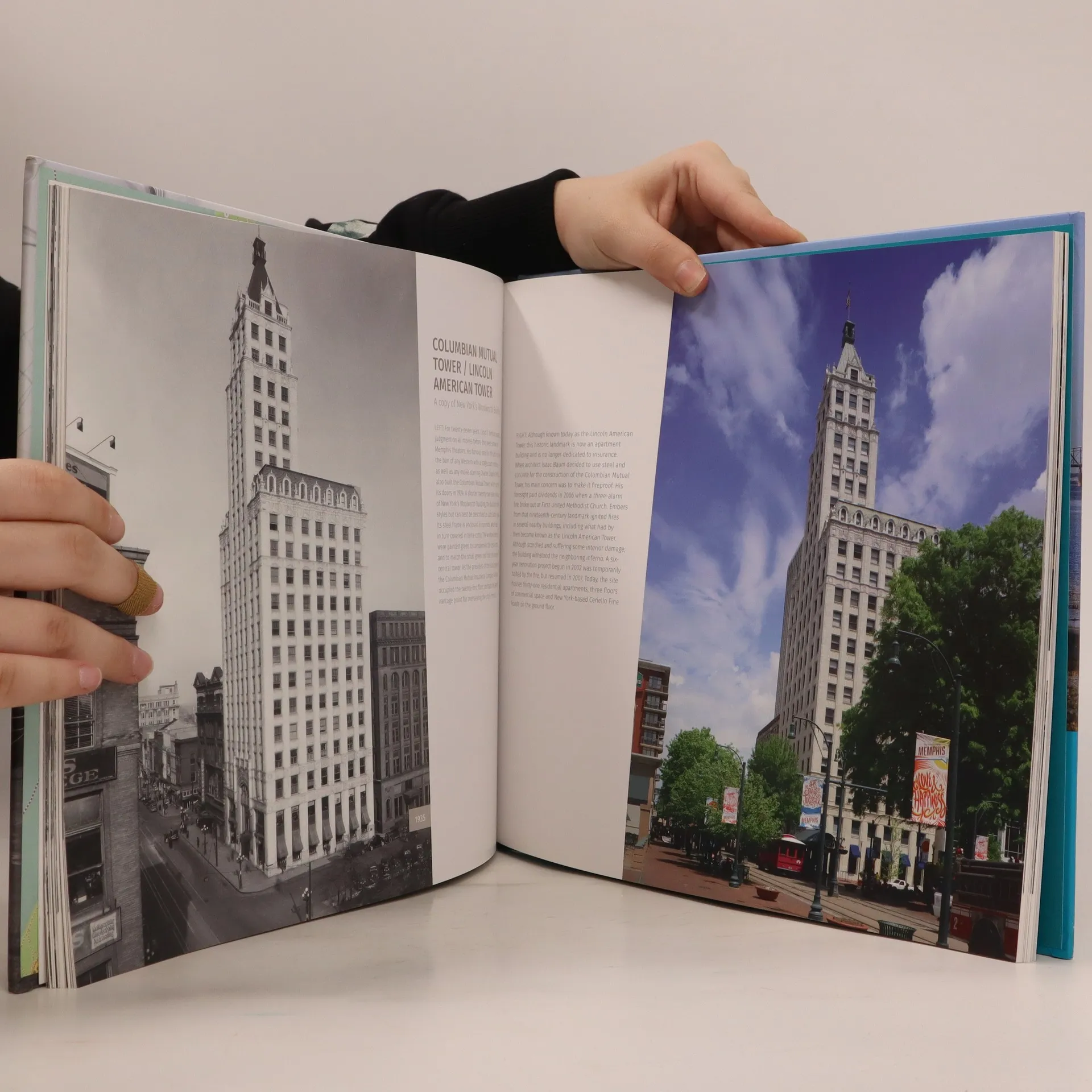
Born as a planned community that was partly owned by Andrew Jackson, Memphis grew on a steady diet of cotton. The second largest cotton supplier in the world, Memphis’s location on the fourth bluff of the Chickasaw River kept it free from flooding and helped the city develop its lucrative trade.Using archive pictures from the 1870s though to the 1960s paired with the equivalent view today, Memphis Then and Now charts the history of the city and the profound effect of the music business; from W. C. Handy and Beale Street, to Stax Records, Sun Records and the home of the King, Graceland. It also includes the railroad station from which Casey Jones departed on his final, fatal run in 1900.Includes: Memphis Levee, Cossitt Library, US Post Office, Beale Street, Handy Park, Warner Theatre, Columbian Mutual, Orpheum Theatre, Hebe Fountain, Union Avenue, Magevney House, Handwerker Gingerbread Playhouse, Shelby County Courthouse, St. Peter’s Catholic Church, Memphis Cotton Exchange, First National Bank, Illinois Central Station, City Hall, Masonic Temple, Peabody Hotel and the Tennessee Brewing Company.
Zakup książki
Memphis then and now, Russell Johnson
- Język

- Rok wydania
- 2017
- Oprawa
- (twarda)
Metody płatności
Nikt jeszcze nie ocenił.
- Tytuł
- Memphis then and now
- Język
- angielski
- Autorzy
- Russell Johnson
- Wydawca
- Pavilion Books
- Rok wydania
- 2017
- Oprawa
- twarda
- ISBN10
- 191121697x
- ISBN13
- 9781911216971
- Seria
- Tagi
- Opis
- Born as a planned community that was partly owned by Andrew Jackson, Memphis grew on a steady diet of cotton. The second largest cotton supplier in the world, Memphis’s location on the fourth bluff of the Chickasaw River kept it free from flooding and helped the city develop its lucrative trade.Using archive pictures from the 1870s though to the 1960s paired with the equivalent view today, Memphis Then and Now charts the history of the city and the profound effect of the music business; from W. C. Handy and Beale Street, to Stax Records, Sun Records and the home of the King, Graceland. It also includes the railroad station from which Casey Jones departed on his final, fatal run in 1900.Includes: Memphis Levee, Cossitt Library, US Post Office, Beale Street, Handy Park, Warner Theatre, Columbian Mutual, Orpheum Theatre, Hebe Fountain, Union Avenue, Magevney House, Handwerker Gingerbread Playhouse, Shelby County Courthouse, St. Peter’s Catholic Church, Memphis Cotton Exchange, First National Bank, Illinois Central Station, City Hall, Masonic Temple, Peabody Hotel and the Tennessee Brewing Company.