



Więcej o książce
This work delves into the disintegration of cultural transmission that has severely impacted Hawaiian spirituality and discusses paths for its restoration. It emphasizes how reconnecting with ancestral traditions involves releasing the burdens of colonization through forgiveness. The narrative highlights the decline of Hawaiian spiritual practices and reflects on how these lessons resonate with other religious traditions. Central to Hawaiian spirituality is the belief that true fulfillment comes from being active participants in the ancestral chain that links the present to origins. The author shares his personal journey, illustrating how colonization severed the Hawaiians' connections to their sacred land, leading to a loss of ancestral teachings and the vital chain of na aumakua, which connects the people to the earth and the divine. Na aumakua, viewed with reverence, is not worshiped as a deity but is integral to the life chain stemming from a singular divine vision. Each individual signifies a temporary link in this chain, with descendants continuing the cycle of witnessing and transmission. The narrative reveals how the rupture of this chain has resulted in alienation and a cycle of resentment. However, it argues that healing and reconnection to the aumakua can be achieved by overcoming the cycles of revenge through forgiveness, paving the way for future restoration.
Zakup książki
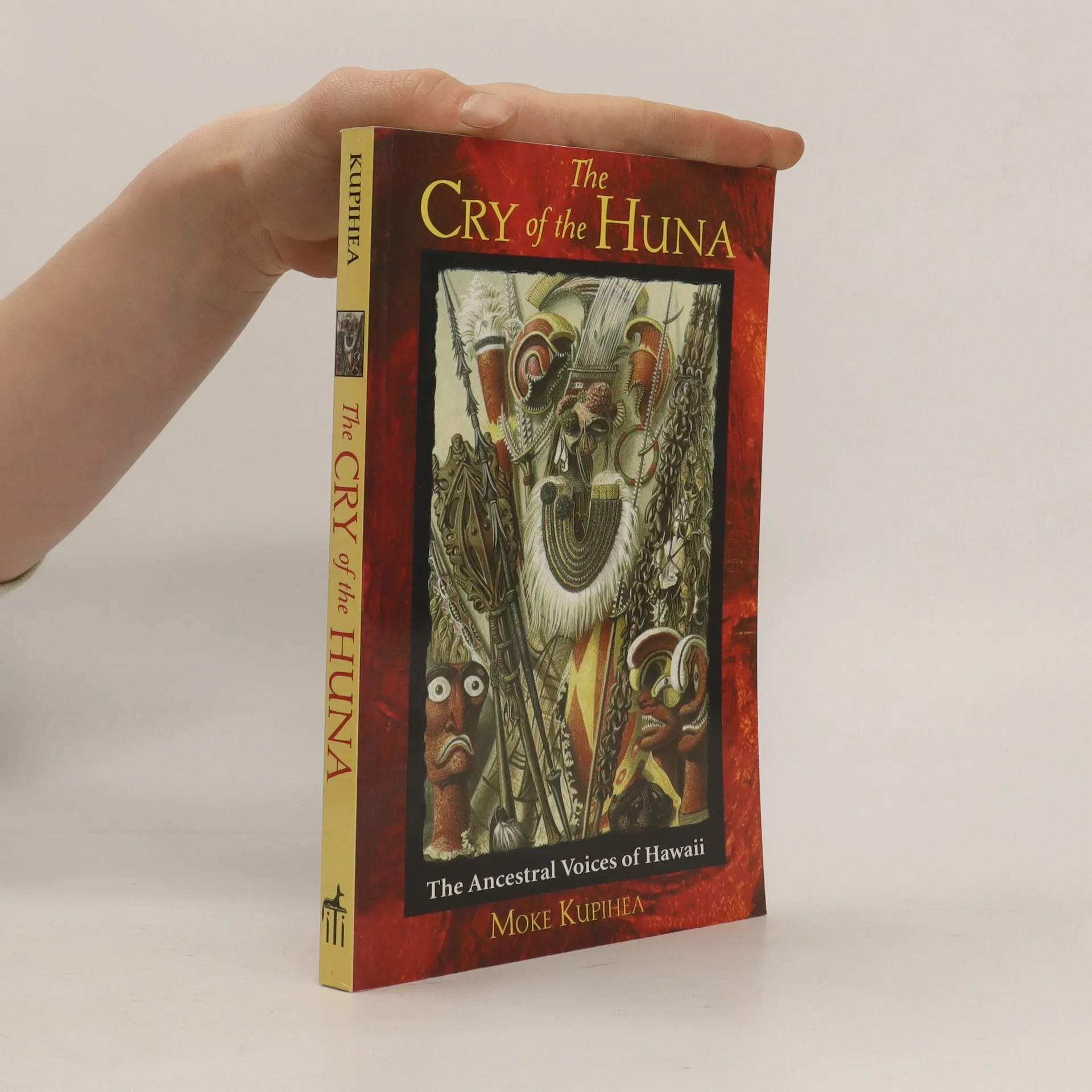
The Cry of the Huna, Moke Kupihea
- Język

- Rok wydania
- 2005
- Oprawa
- (miękka)
Metody płatności
Brakuje nam tutaj Twojej recenzji.
- Tytuł
- The Cry of the Huna
- Język
- angielski
- Autorzy
- Moke Kupihea
- Wydawca
- Inner Traditions
- Rok wydania
- 2005
- Oprawa
- miękka
- Liczba stron
- 208
- ISBN10
- 0892811277
- ISBN13
- 9780892811274
- Seria
- Kategorie
- Ocena
- 2,9 z 5
- Opis
- This work delves into the disintegration of cultural transmission that has severely impacted Hawaiian spirituality and discusses paths for its restoration. It emphasizes how reconnecting with ancestral traditions involves releasing the burdens of colonization through forgiveness. The narrative highlights the decline of Hawaiian spiritual practices and reflects on how these lessons resonate with other religious traditions. Central to Hawaiian spirituality is the belief that true fulfillment comes from being active participants in the ancestral chain that links the present to origins. The author shares his personal journey, illustrating how colonization severed the Hawaiians' connections to their sacred land, leading to a loss of ancestral teachings and the vital chain of na aumakua, which connects the people to the earth and the divine. Na aumakua, viewed with reverence, is not worshiped as a deity but is integral to the life chain stemming from a singular divine vision. Each individual signifies a temporary link in this chain, with descendants continuing the cycle of witnessing and transmission. The narrative reveals how the rupture of this chain has resulted in alienation and a cycle of resentment. However, it argues that healing and reconnection to the aumakua can be achieved by overcoming the cycles of revenge through forgiveness, paving the way for future restoration.