


Więcej o książce
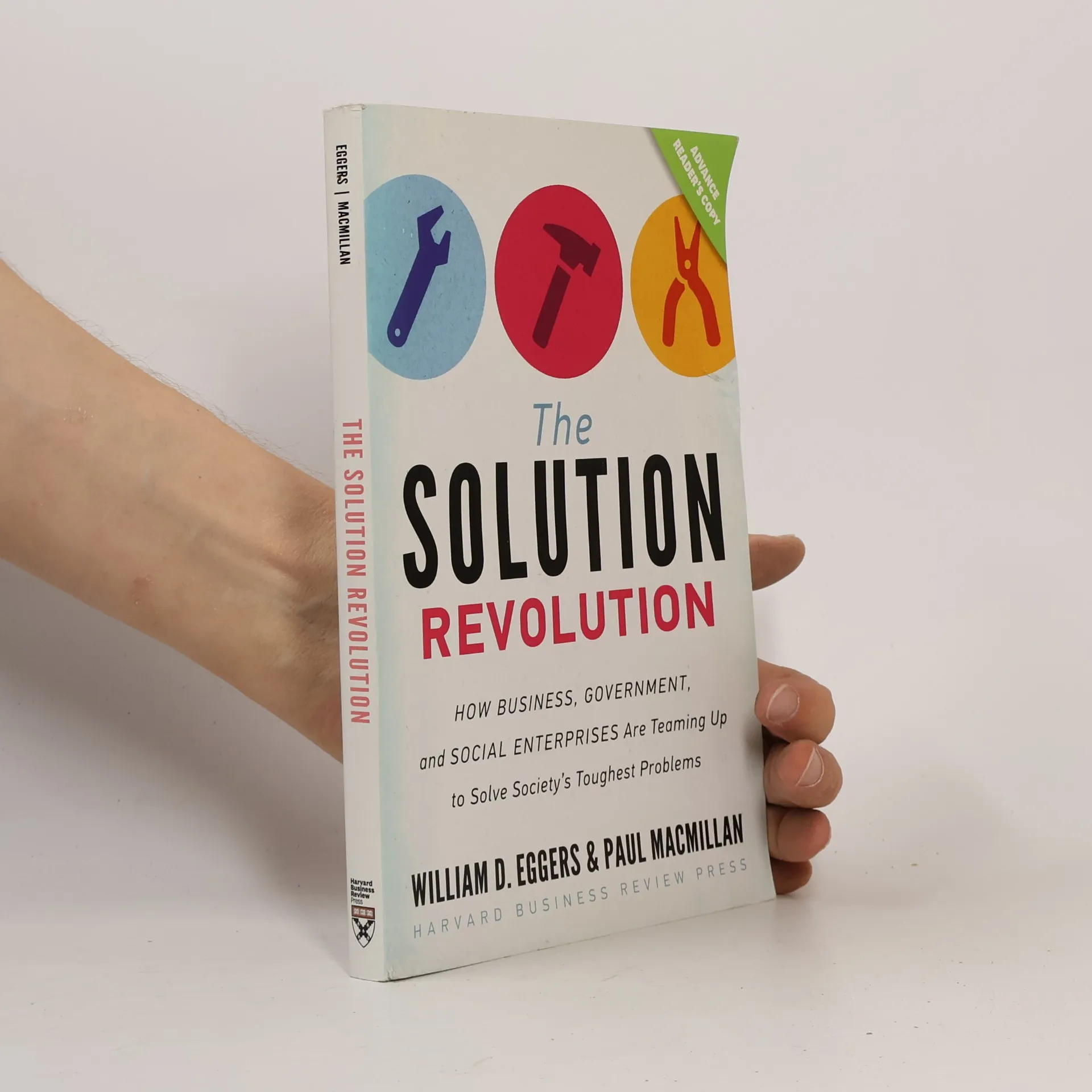
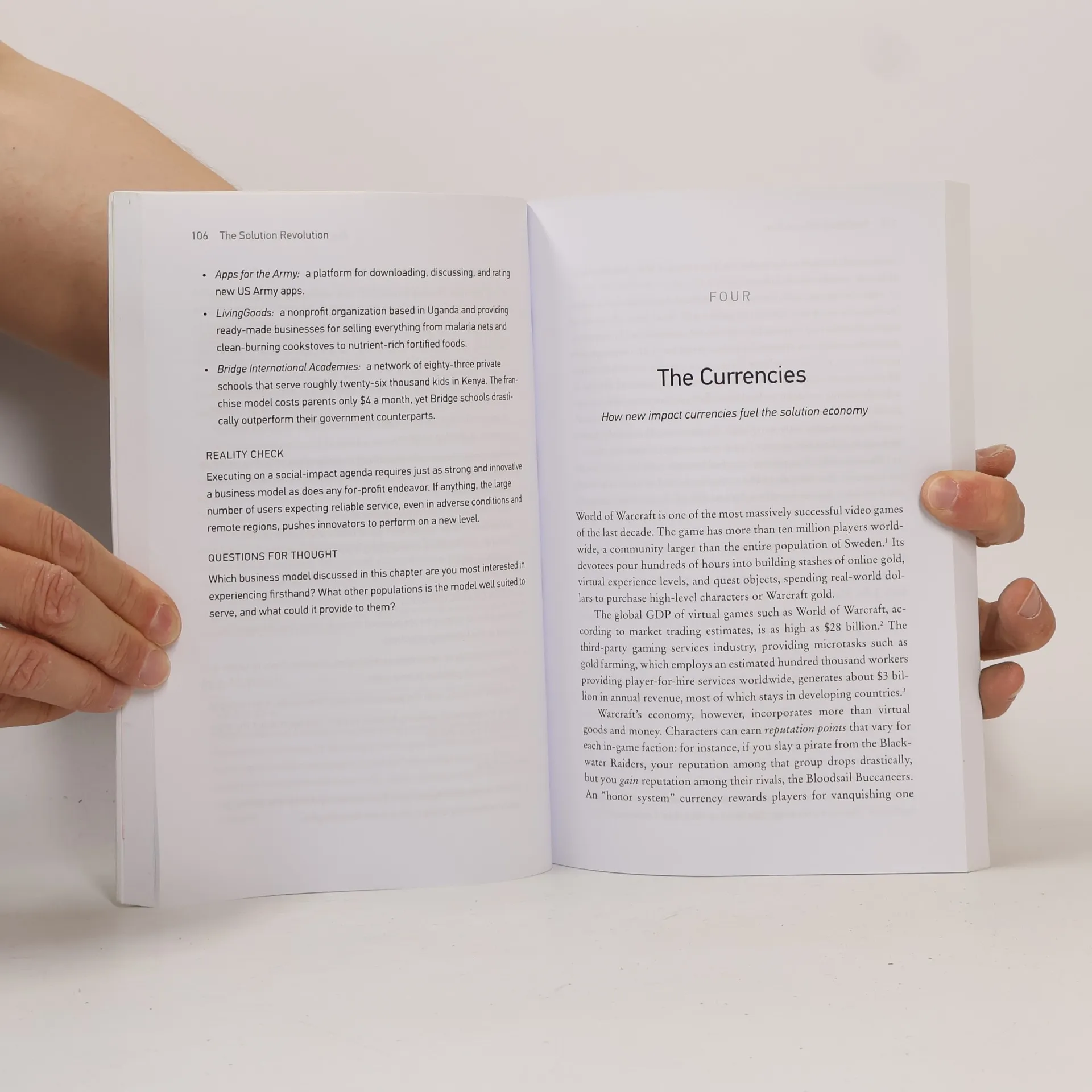
Welcome to the "Solution Economy." We are at a pivotal moment in our global economy, moving away from traditional public-private divides. Society is evolving in how it addresses problems, with government now one of many players, allowing entrepreneurship and innovation to flourish across sectors. In this context, new and significant contributors have emerged in the realm of societal problem-solving, forming what the authors describe as a "Solution Economy." These innovators are bridging the gap between government offerings and citizen needs, promising improved outcomes, reduced costs, and fostering public innovation amidst fiscal constraints and unmet demands. Although the solution economy is still in its infancy, the authors compellingly outline its features, dynamics, and key players. They offer insights for businesses, governments, and the social sector on enhancing and expanding this revolution, both locally and globally. This exploration provides an intriguing glimpse into our economic future, characterized by choice, sustainability, and adaptive ecosystems, empowering collaboration for better solutions.
Zakup książki
The solution revolution, William D. Eggers, Paul Macmillan
- Język

- Rok wydania
- 2013
- Oprawa
- (twarda)
Metody płatności
Brakuje nam tutaj Twojej recenzji.
- Tytuł
- The solution revolution
- Język
- angielski
- Autorzy
- William D. Eggers, Paul Macmillan
- Rok wydania
- 2013
- Oprawa
- twarda
- Liczba stron
- 292
- ISBN10
- 1422192199
- ISBN13
- 9781422192191
- Seria
- Tagi
- Biznes, Społeczeństwo
- Ocena
- 3,7 z 5
- Opis
- Welcome to the "Solution Economy." We are at a pivotal moment in our global economy, moving away from traditional public-private divides. Society is evolving in how it addresses problems, with government now one of many players, allowing entrepreneurship and innovation to flourish across sectors. In this context, new and significant contributors have emerged in the realm of societal problem-solving, forming what the authors describe as a "Solution Economy." These innovators are bridging the gap between government offerings and citizen needs, promising improved outcomes, reduced costs, and fostering public innovation amidst fiscal constraints and unmet demands. Although the solution economy is still in its infancy, the authors compellingly outline its features, dynamics, and key players. They offer insights for businesses, governments, and the social sector on enhancing and expanding this revolution, both locally and globally. This exploration provides an intriguing glimpse into our economic future, characterized by choice, sustainability, and adaptive ecosystems, empowering collaboration for better solutions.