


Więcej o książce
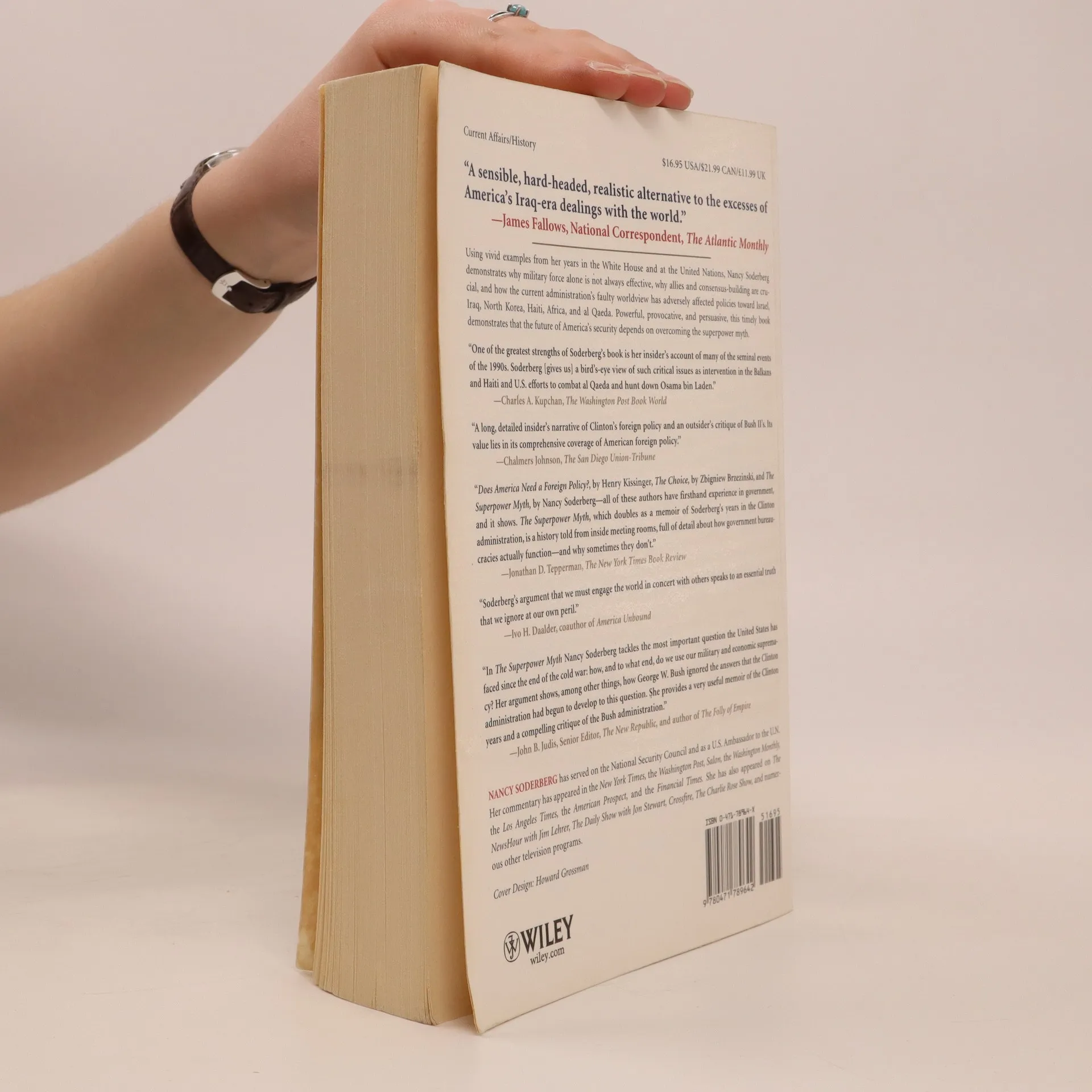
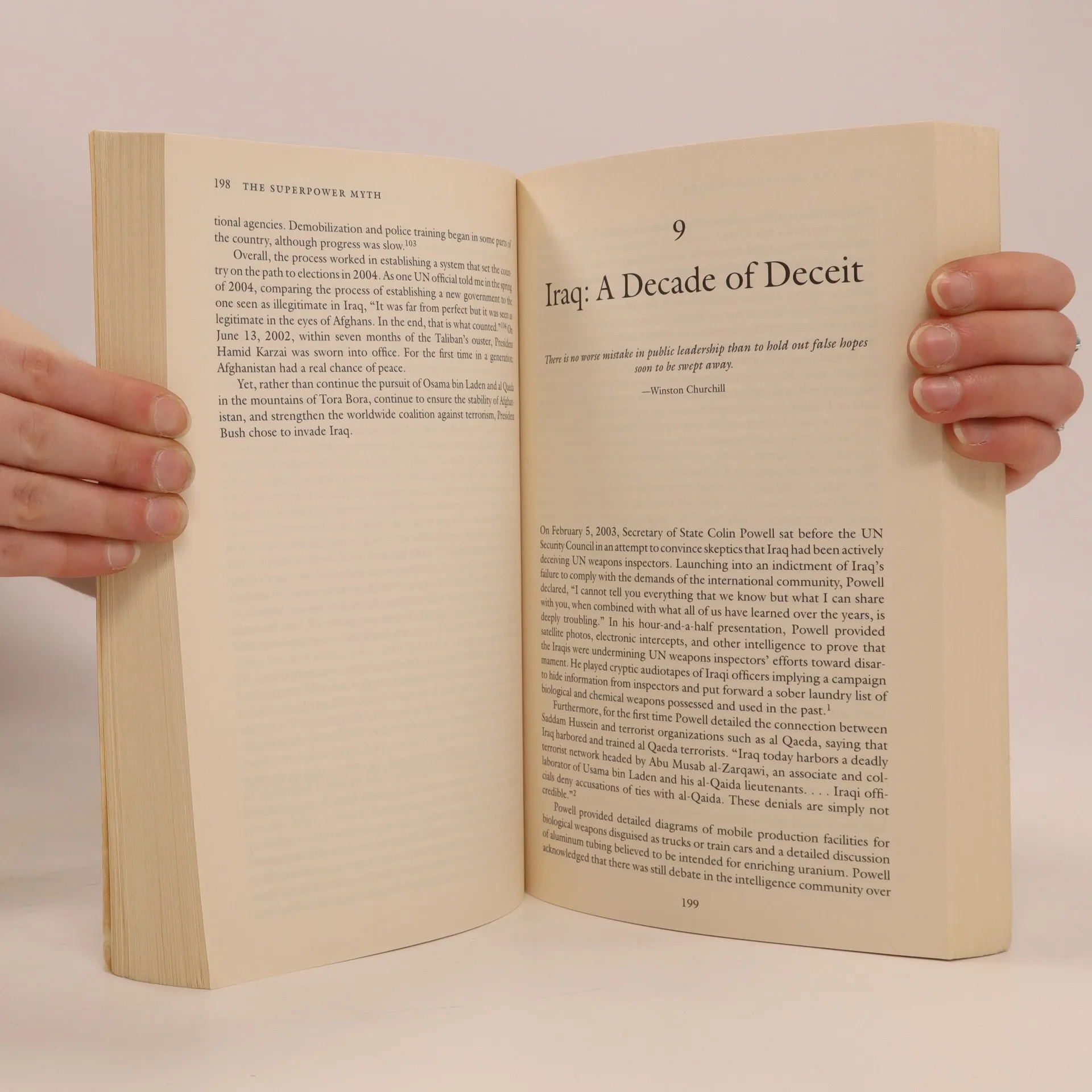
For eight years, Nancy Soderberg served at the highest levels of American government, providing her with a unique perspective on global dynamics in a precarious era. The neoconservative ideologues of the Bush administration seem to operate under the belief that America, as the world's superpower, can act unilaterally, disregarding allies and consequences. However, the situation in Iraq illustrates that while America possesses significant power, it is not omnipotent. Historical precedents show that military solutions alone cannot resolve the complexities of failed states like Somalia, Kosovo, Afghanistan, and Iraq. The chaotic landscape of Somalia has become a model for future conflicts, characterized by power vacuums and armed factions. Drawing on her experiences in the White House and at the United Nations, Soderberg argues that military force is not always the answer; building alliances and fostering consensus are essential. She critiques the current administration's flawed worldview and its detrimental effects on policies regarding Israel, Iraq, North Korea, Haiti, Africa, and Al-Qaeda. This compelling work posits that the future of America's security hinges on dismantling the superpower myth and embracing a more nuanced approach to international relations.
Zakup książki
The superpower myth : the use and misuse of American might, Nancy Soderberg
- Język

- Rok wydania
- 2005
- Oprawa
- (miękka)
Metody płatności
Brakuje nam tutaj Twojej recenzji.
- Tytuł
- The superpower myth : the use and misuse of American might
- Język
- angielski
- Autorzy
- Nancy Soderberg
- Rok wydania
- 2005
- Oprawa
- miękka
- Liczba stron
- 416
- ISBN10
- 047178964x
- ISBN13
- 9780471789642
- Seria
- Kategorie
- Ocena
- 4,5 z 5
- Opis
- For eight years, Nancy Soderberg served at the highest levels of American government, providing her with a unique perspective on global dynamics in a precarious era. The neoconservative ideologues of the Bush administration seem to operate under the belief that America, as the world's superpower, can act unilaterally, disregarding allies and consequences. However, the situation in Iraq illustrates that while America possesses significant power, it is not omnipotent. Historical precedents show that military solutions alone cannot resolve the complexities of failed states like Somalia, Kosovo, Afghanistan, and Iraq. The chaotic landscape of Somalia has become a model for future conflicts, characterized by power vacuums and armed factions. Drawing on her experiences in the White House and at the United Nations, Soderberg argues that military force is not always the answer; building alliances and fostering consensus are essential. She critiques the current administration's flawed worldview and its detrimental effects on policies regarding Israel, Iraq, North Korea, Haiti, Africa, and Al-Qaeda. This compelling work posits that the future of America's security hinges on dismantling the superpower myth and embracing a more nuanced approach to international relations.