


Więcej o książce
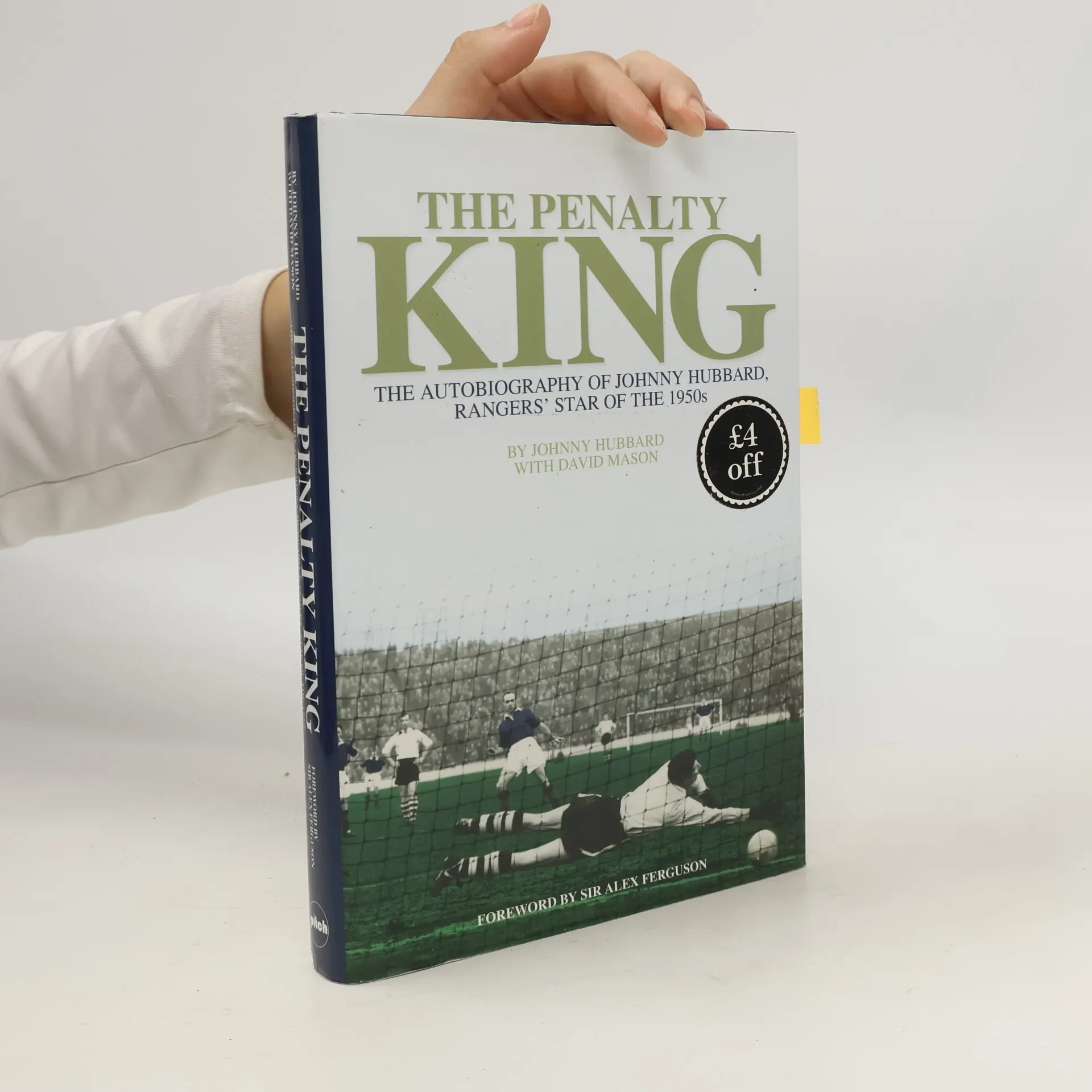
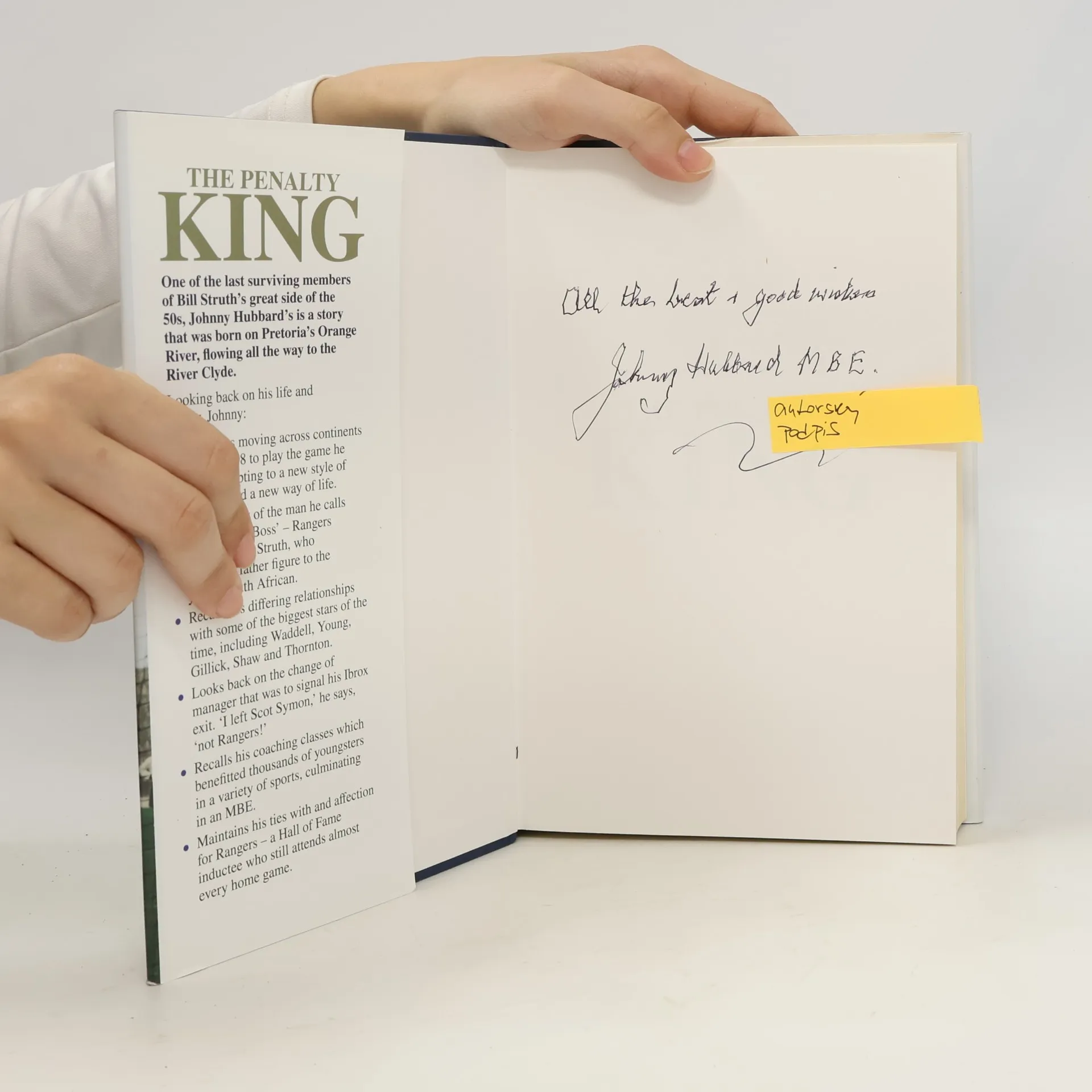
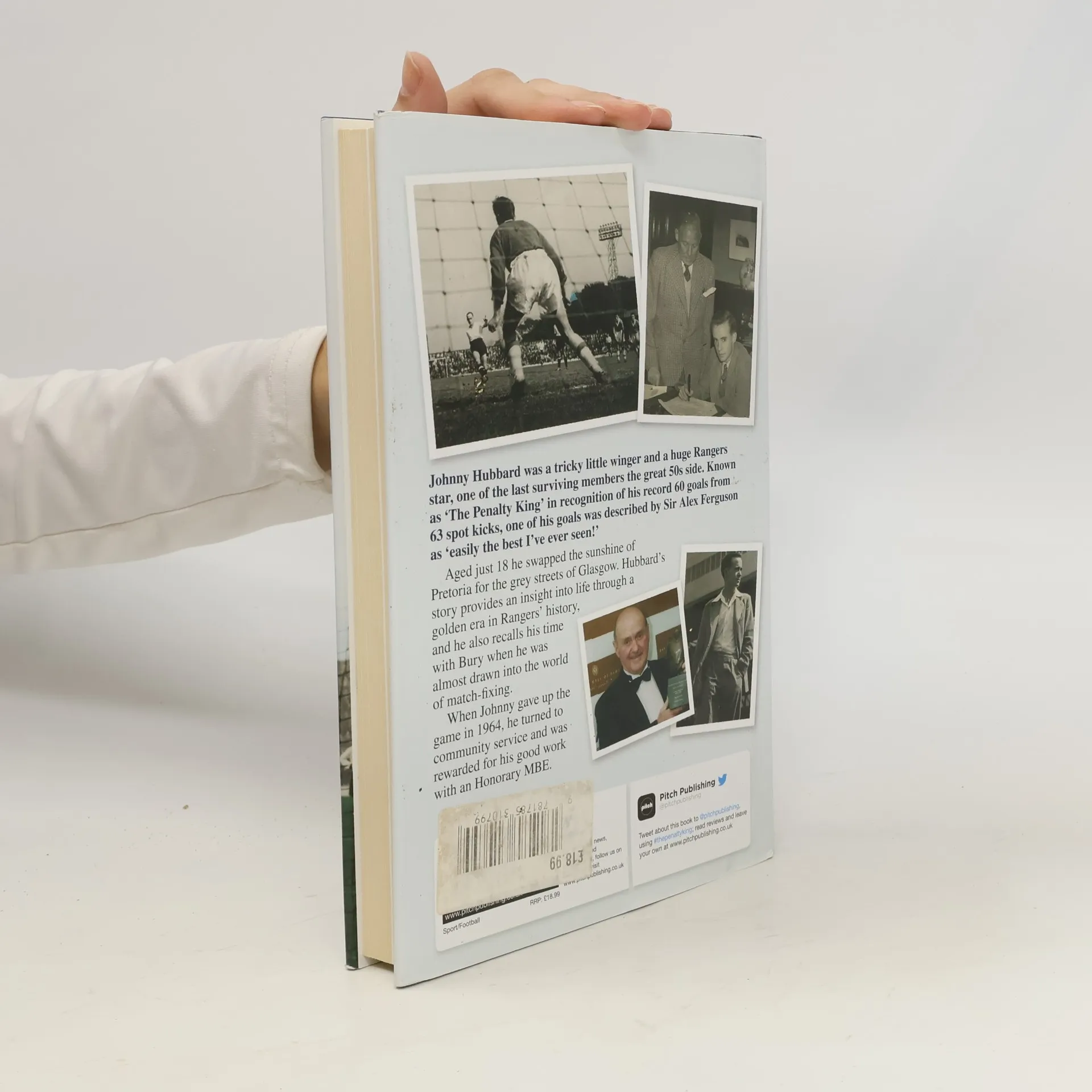
Johnny Hubbard was a tricky little winger and a huge Rangers star, one of the last surviving members the great 50s side. Known as "The Penalty King" in recognition of his record 65 goals from 68 spot kicks, one of his goals was described by Sir Alex Ferguson as "easily the best I've ever seen!" Aged just 18, he swapped the sunshine of Pretoria for the grey streets of Glasgow, leaving behind the flames of apartheid for a land where another chasm ran deep through society--religious bigotry. Hubbard's story provides an insight into life through a golden era in Rangers' history, and he also recalls his time with Bury when he was almost drawn into the world of match-fixing. When Johnny gave up the game in 1964, he turned to community service and was rewarded for his good work with an Honorary MBE.
Zakup książki
The Penalty King, Johnny Hubbard, David Mason
- Język

- Rok wydania
- 2015
- Oprawa
- (twarda),
- Stan książki
- Dobry
- Cena
- 48,49 zł
Metody płatności
Brakuje nam tutaj Twojej recenzji.
- Tytuł
- The Penalty King
- Podtytuł
- The Autobiography of Johnny Hubbard, Rangers' Star of the 1950s
- Język
- angielski
- Autorzy
- Johnny Hubbard, David Mason
- Wydawca
- Pitch Publishing Ltd
- Rok wydania
- 2015
- Oprawa
- twarda
- Liczba stron
- 144
- ISBN10
- 1785310798
- ISBN13
- 9781785310799
- Seria
- Kategorie
- Tagi
- Ocena
- 4 z 5
- Opis
- Johnny Hubbard was a tricky little winger and a huge Rangers star, one of the last surviving members the great 50s side. Known as "The Penalty King" in recognition of his record 65 goals from 68 spot kicks, one of his goals was described by Sir Alex Ferguson as "easily the best I've ever seen!" Aged just 18, he swapped the sunshine of Pretoria for the grey streets of Glasgow, leaving behind the flames of apartheid for a land where another chasm ran deep through society--religious bigotry. Hubbard's story provides an insight into life through a golden era in Rangers' history, and he also recalls his time with Bury when he was almost drawn into the world of match-fixing. When Johnny gave up the game in 1964, he turned to community service and was rewarded for his good work with an Honorary MBE.