



Więcej o książce
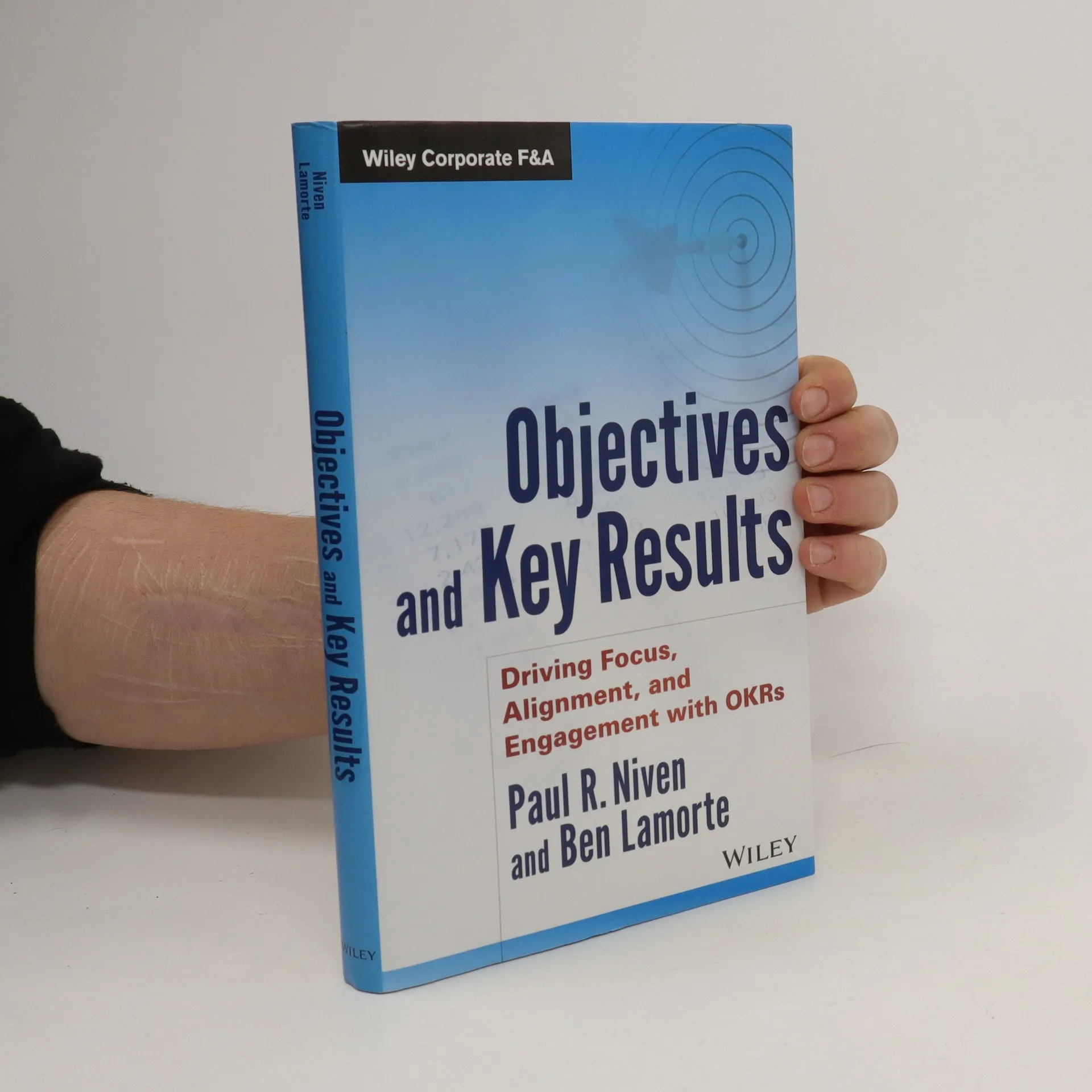
OKRs have become especially prevalent as of late given Google's open endorsement of the framework, and this book will capitalize on growing interest in the topic. It will consider what led us to OKRs, the basics and ins-and-outs of OKRs, executive support, the overall implementation of the framework, and maintaining success. The outline of this book will largely mirror Paul's successful Balanced Scorecard Step-by-Step books, supplying practitioners with everything they need for effective OKRs implementation. Readers will benefit from a well-researched book that provides the latest theory, and more importantly, practice in OKRs. This book will provide a comprehensive walk-through of OKRs, from their beginnings at Intel in the 1980s to how to implement them effectively today and their place in the future of management
Zakup książki
Objectives and Key Results, Paul R. Niven, Ben Lamorte
- Język

- Rok wydania
- 2016
- Oprawa
- (twarda)
Metody płatności
Brakuje nam tutaj Twojej recenzji.
- Tytuł
- Objectives and Key Results
- Język
- angielski
- Autorzy
- Paul R. Niven, Ben Lamorte
- Rok wydania
- 2016
- Oprawa
- twarda
- Liczba stron
- 224
- ISBN10
- 1119252393
- ISBN13
- 9781119252399
- Seria
- Kategorie
- Tagi
- Biznes, Przywództwo, Produktywność
- Ocena
- 3,9 z 5
- Opis
- OKRs have become especially prevalent as of late given Google's open endorsement of the framework, and this book will capitalize on growing interest in the topic. It will consider what led us to OKRs, the basics and ins-and-outs of OKRs, executive support, the overall implementation of the framework, and maintaining success. The outline of this book will largely mirror Paul's successful Balanced Scorecard Step-by-Step books, supplying practitioners with everything they need for effective OKRs implementation. Readers will benefit from a well-researched book that provides the latest theory, and more importantly, practice in OKRs. This book will provide a comprehensive walk-through of OKRs, from their beginnings at Intel in the 1980s to how to implement them effectively today and their place in the future of management