


Więcej o książce
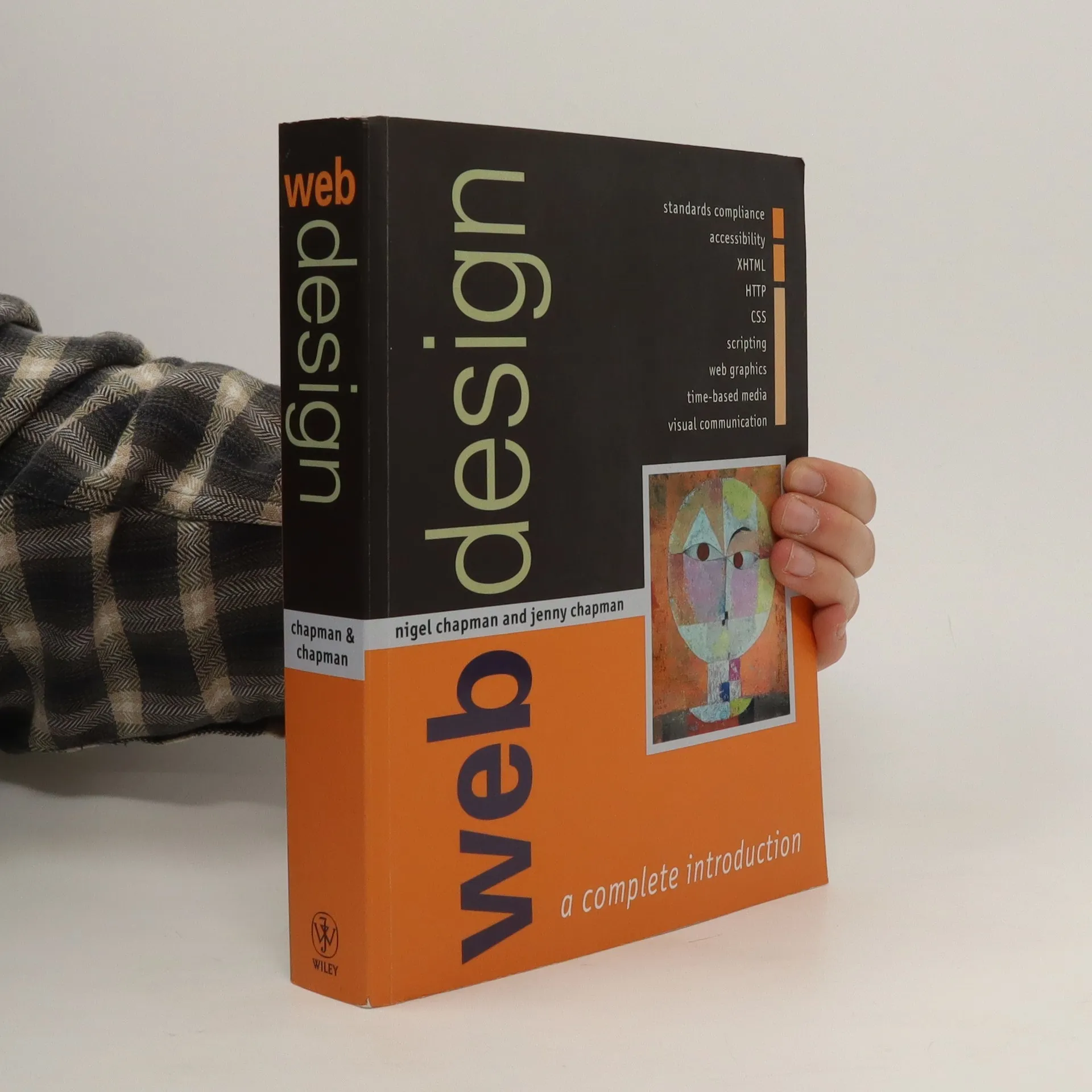
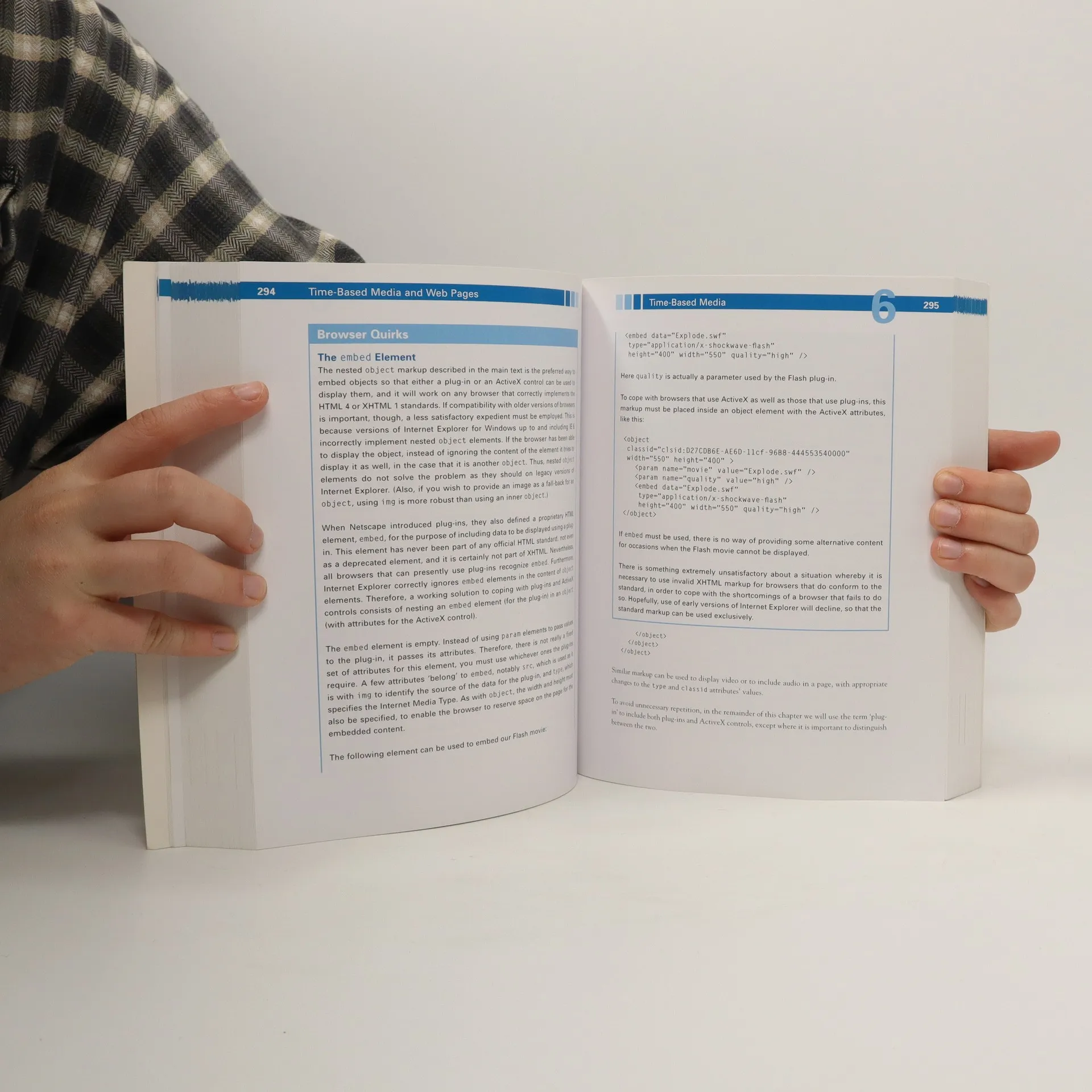
This book serves as an essential introduction to the design and development of successful websites, addressing the growing need for quality education in Web design. It is a core text for undergraduate and master's courses, offering a comprehensive overview of building web pages and sites. A solid grasp of the fundamentals is crucial for developing good practices in this field. The text begins with an exploration of Web experiences and then delves into Web technology, markup, stylesheets, graphics, animation, embedded video, client-side scripting, applications, usability, accessibility, page, and site design. Emphasizing good practices grounded in sound principles, it covers key technologies such as HTTP, XHTML, CSS, JavaScript, and the DOM, while advocating for Web Standards as a vital part of a forward-looking approach. Some basic programming knowledge is necessary for readers. This resource is suitable for both course use and self-study, featuring clear summaries, numerous exercises, and practical assignments.
Zakup książki
Web design : A complete introduction, Nigel P. Chapman, Jenny Chapman
- Język

- Rok wydania
- 2011
- Oprawa
- (miękka)
Metody płatności
Brakuje nam tutaj Twojej recenzji.
- Tytuł
- Web design : A complete introduction
- Język
- angielski
- Autorzy
- Nigel P. Chapman, Jenny Chapman
- Rok wydania
- 2011
- Oprawa
- miękka
- Liczba stron
- 692
- ISBN10
- 0470060891
- ISBN13
- 9780470060896
- Seria
- Tagi
- Ocena
- 3,45 z 5
- Opis
- This book serves as an essential introduction to the design and development of successful websites, addressing the growing need for quality education in Web design. It is a core text for undergraduate and master's courses, offering a comprehensive overview of building web pages and sites. A solid grasp of the fundamentals is crucial for developing good practices in this field. The text begins with an exploration of Web experiences and then delves into Web technology, markup, stylesheets, graphics, animation, embedded video, client-side scripting, applications, usability, accessibility, page, and site design. Emphasizing good practices grounded in sound principles, it covers key technologies such as HTTP, XHTML, CSS, JavaScript, and the DOM, while advocating for Web Standards as a vital part of a forward-looking approach. Some basic programming knowledge is necessary for readers. This resource is suitable for both course use and self-study, featuring clear summaries, numerous exercises, and practical assignments.