

Parametry
Więcej o książce
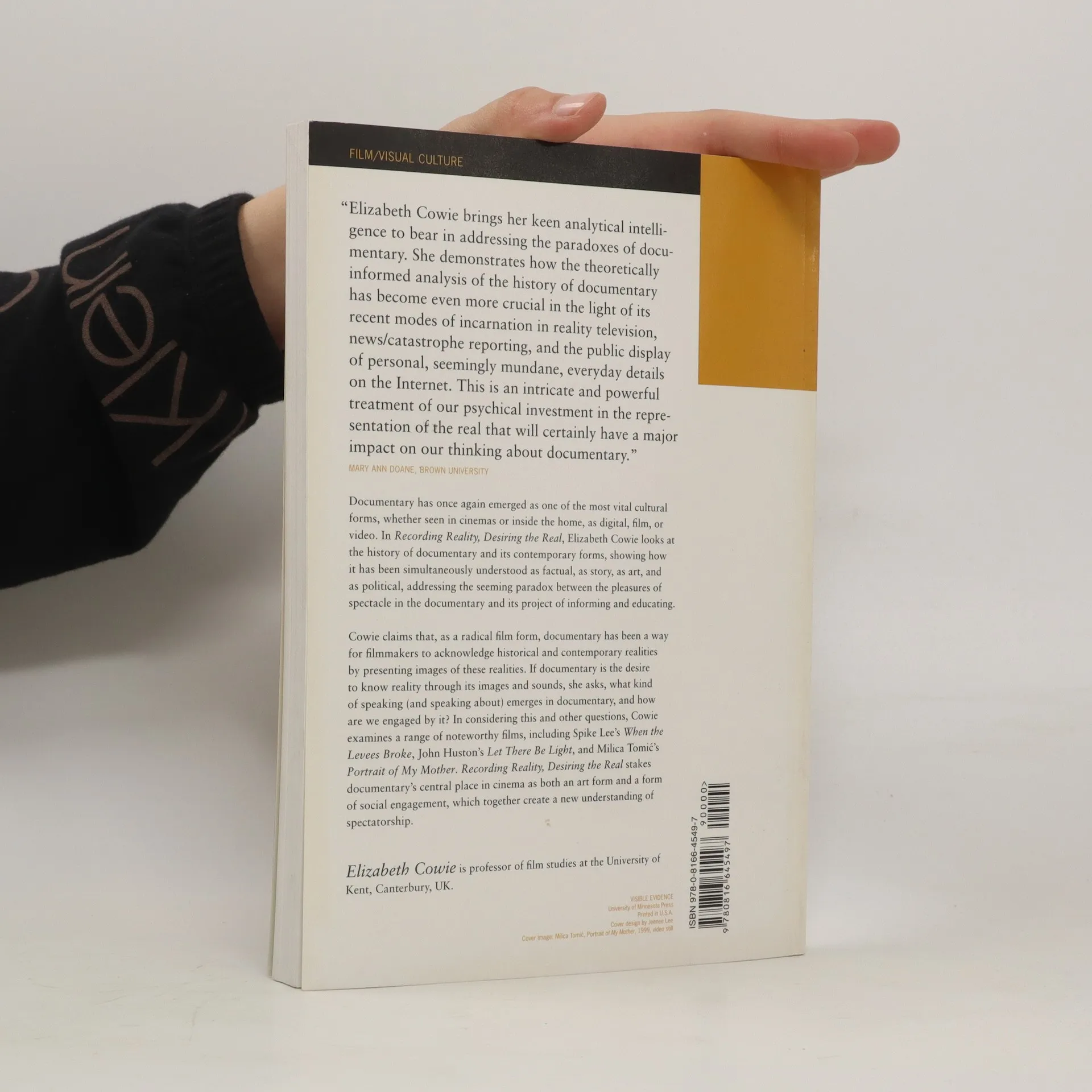
Documentary has once again emerged as one of the most vital cultural forms, whether seen in cinemas or inside the home, as digital, film, or video. In Recording Reality, Desiring the Real, Elizabeth Cowie looks at the history of documentary and its contemporary forms, showing how it has been simultaneously understood as factual, as story, as art, and as political, addressing the seeming paradox between the pleasures of spectacle in the documentary and its project of informing and educating. Cowie claims that, as a radical film form, documentary has been a way for filmmakers to acknowledge historical and contemporary realities by presenting images of these realities. If documentary is the desire to know reality through its images and sounds, she asks, what kind of speaking (and speaking about) emerges in documentary, and how are we engaged by it? In considering this and other questions, Cowie examines a range of noteworthy films, including Spike Lee’s When the Levees Broke, John Huston’s Let There Be Light, and Milica Tomic’s Portrait of My Mother. Recording Reality, Desiring the Real stakes documentary’s central place in cinema as both an art form and a form of social engagement, which together create a new understanding of spectatorship.
Zakup książki
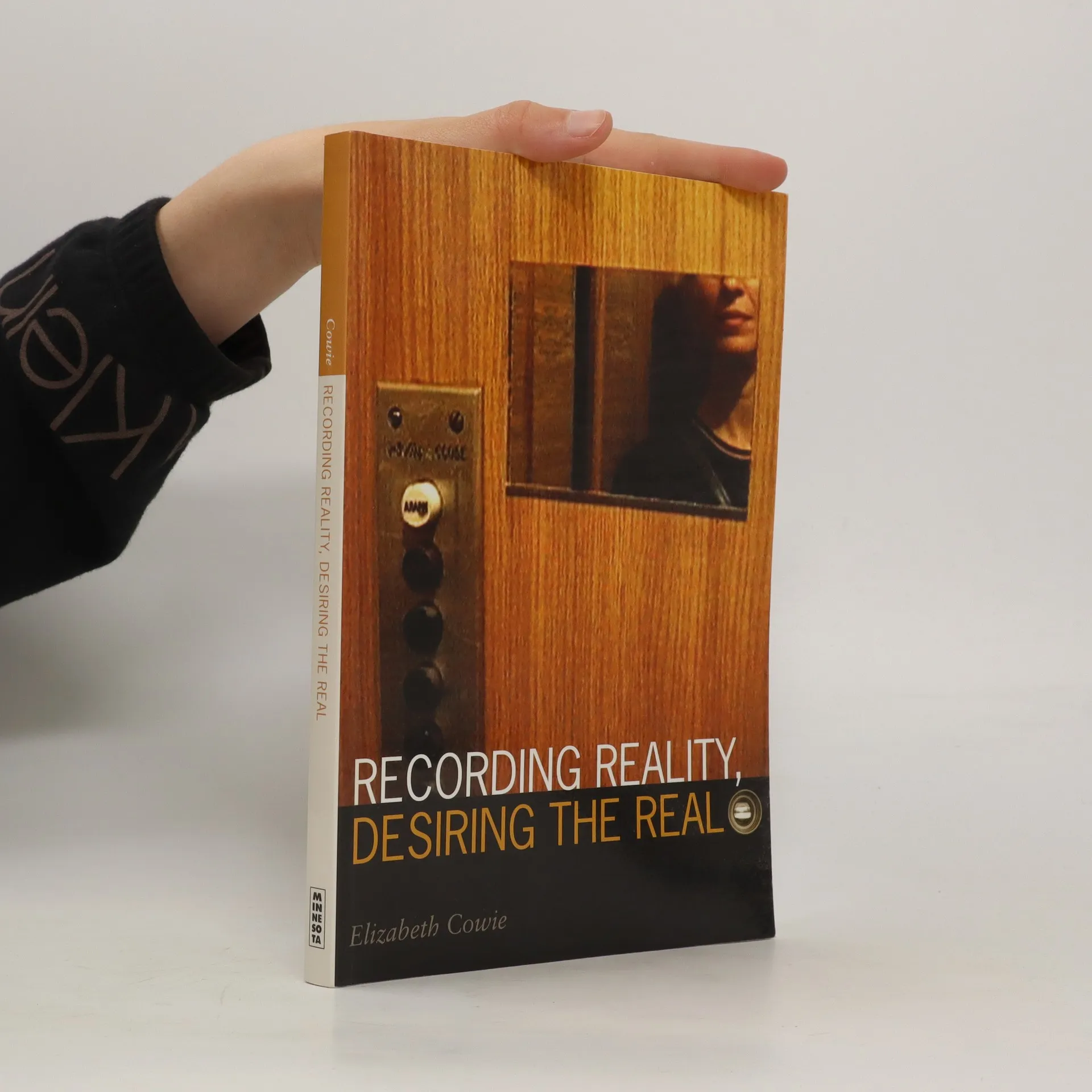
Recording reality, desiring the real, Elizabeth Cowie
- Język

- Rok wydania
- 2011
- Oprawa
- (miękka)
Metody płatności
Nikt jeszcze nie ocenił.
- Tytuł
- Recording reality, desiring the real
- Język
- angielski
- Autorzy
- Elizabeth Cowie
- Rok wydania
- 2011
- Oprawa
- miękka
- ISBN10
- 0816645493
- ISBN13
- 9780816645497
- Seria
- Tagi
- Tematyka filmowa
- Opis
- Documentary has once again emerged as one of the most vital cultural forms, whether seen in cinemas or inside the home, as digital, film, or video. In Recording Reality, Desiring the Real, Elizabeth Cowie looks at the history of documentary and its contemporary forms, showing how it has been simultaneously understood as factual, as story, as art, and as political, addressing the seeming paradox between the pleasures of spectacle in the documentary and its project of informing and educating. Cowie claims that, as a radical film form, documentary has been a way for filmmakers to acknowledge historical and contemporary realities by presenting images of these realities. If documentary is the desire to know reality through its images and sounds, she asks, what kind of speaking (and speaking about) emerges in documentary, and how are we engaged by it? In considering this and other questions, Cowie examines a range of noteworthy films, including Spike Lee’s When the Levees Broke, John Huston’s Let There Be Light, and Milica Tomic’s Portrait of My Mother. Recording Reality, Desiring the Real stakes documentary’s central place in cinema as both an art form and a form of social engagement, which together create a new understanding of spectatorship.