

Więcej o książce
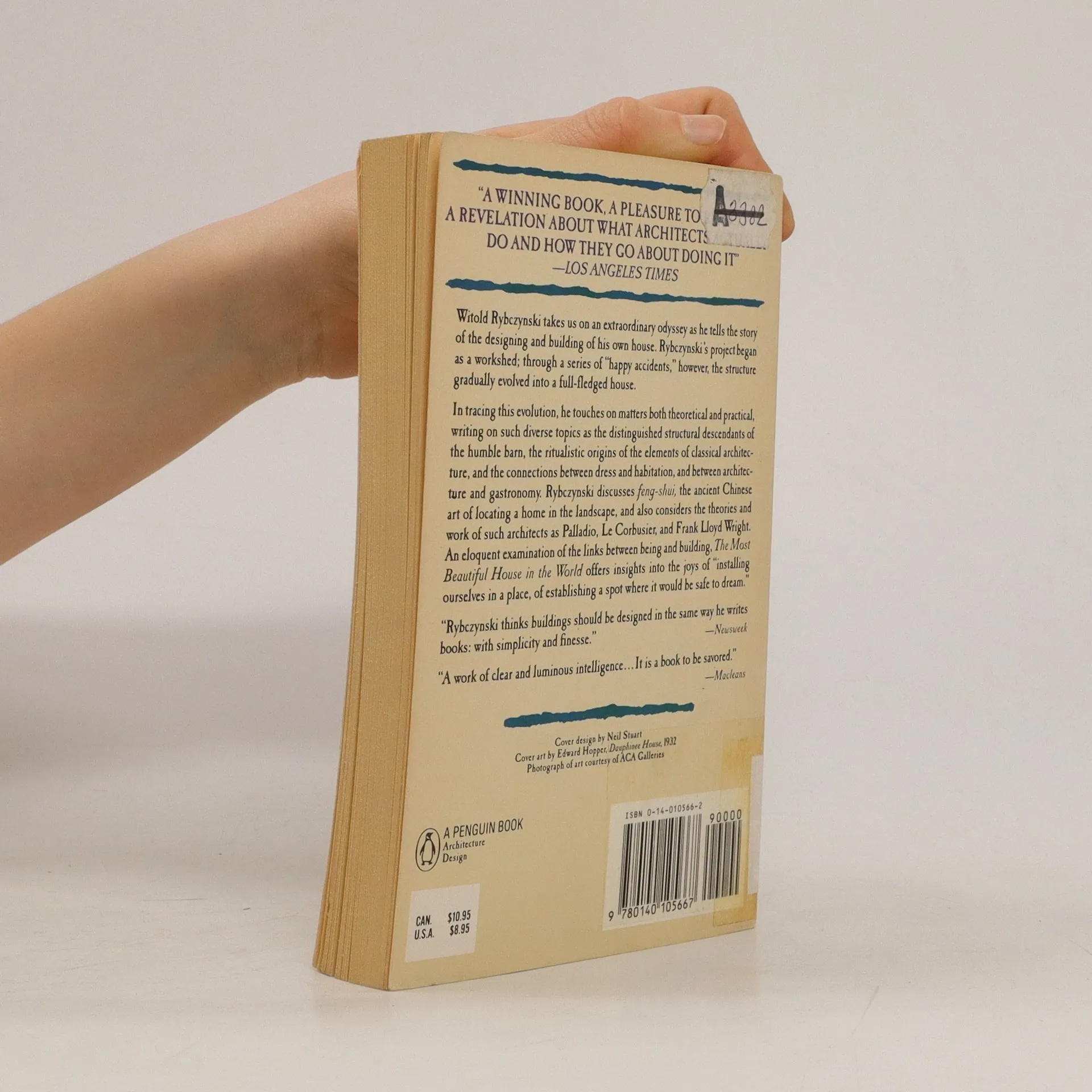
"A winning book, a pleasure to read…a revelation about what architects actually do and how they go about doing it." –Los Angeles Times Witold Rybezynski takes us on an extraordinary odyssey as he tells the story of designing and building of his own house. Rybezynski’s project began as a workshed; through a series of "happy accidents," however, the structure gradually evolved into a full-fledge house. In tracing this evolution, he touches on matters both theoretical and practical, writing on such diverse topics as the distinguished structural descendants of the humble barn, the ritualistic origins of the elements of classical architecture, and the connections between dress and habitation, and between architecture and gastronomy. Rybezynski discusses feng shui, the Chinese art of placing a home in the landscape, and also considers the theories and work of such architects as Palladio, Le Corbusier, and Frank Lloyd Wright. An eloquent examination of the links between being and building, The Most Beautiful House in the World offers insights into the joys of "installing ourselves in a place, of establishing a spot where it be safe to dream."
Zakup książki
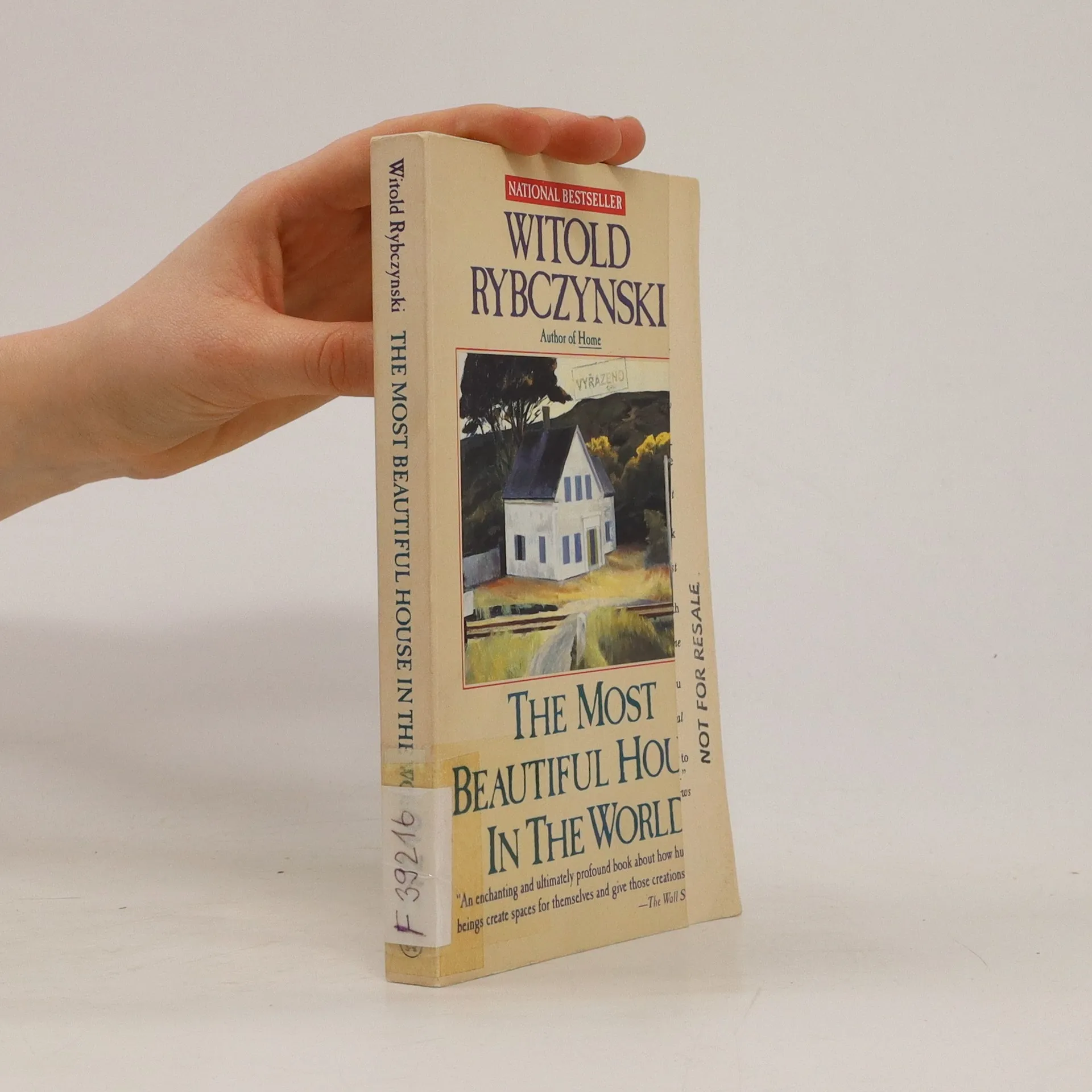
The Most Beautiful House in the World, Witold Rybczynski
- Język

- Rok wydania
- 1990
- Oprawa
- (miękka)
Metody płatności
Brakuje nam tutaj Twojej recenzji.
- Tytuł
- The Most Beautiful House in the World
- Język
- angielski
- Autorzy
- Witold Rybczynski
- Wydawca
- Penguin Books
- Rok wydania
- 1990
- Oprawa
- miękka
- ISBN10
- 0140105662
- ISBN13
- 9780140105667
- Seria
- Kategorie
- Tagi
- Sztuka, Architektura
- Ocena
- 3,85 z 5
- Opis
- "A winning book, a pleasure to read…a revelation about what architects actually do and how they go about doing it." –Los Angeles Times Witold Rybezynski takes us on an extraordinary odyssey as he tells the story of designing and building of his own house. Rybezynski’s project began as a workshed; through a series of "happy accidents," however, the structure gradually evolved into a full-fledge house. In tracing this evolution, he touches on matters both theoretical and practical, writing on such diverse topics as the distinguished structural descendants of the humble barn, the ritualistic origins of the elements of classical architecture, and the connections between dress and habitation, and between architecture and gastronomy. Rybezynski discusses feng shui, the Chinese art of placing a home in the landscape, and also considers the theories and work of such architects as Palladio, Le Corbusier, and Frank Lloyd Wright. An eloquent examination of the links between being and building, The Most Beautiful House in the World offers insights into the joys of "installing ourselves in a place, of establishing a spot where it be safe to dream."