



Więcej o książce
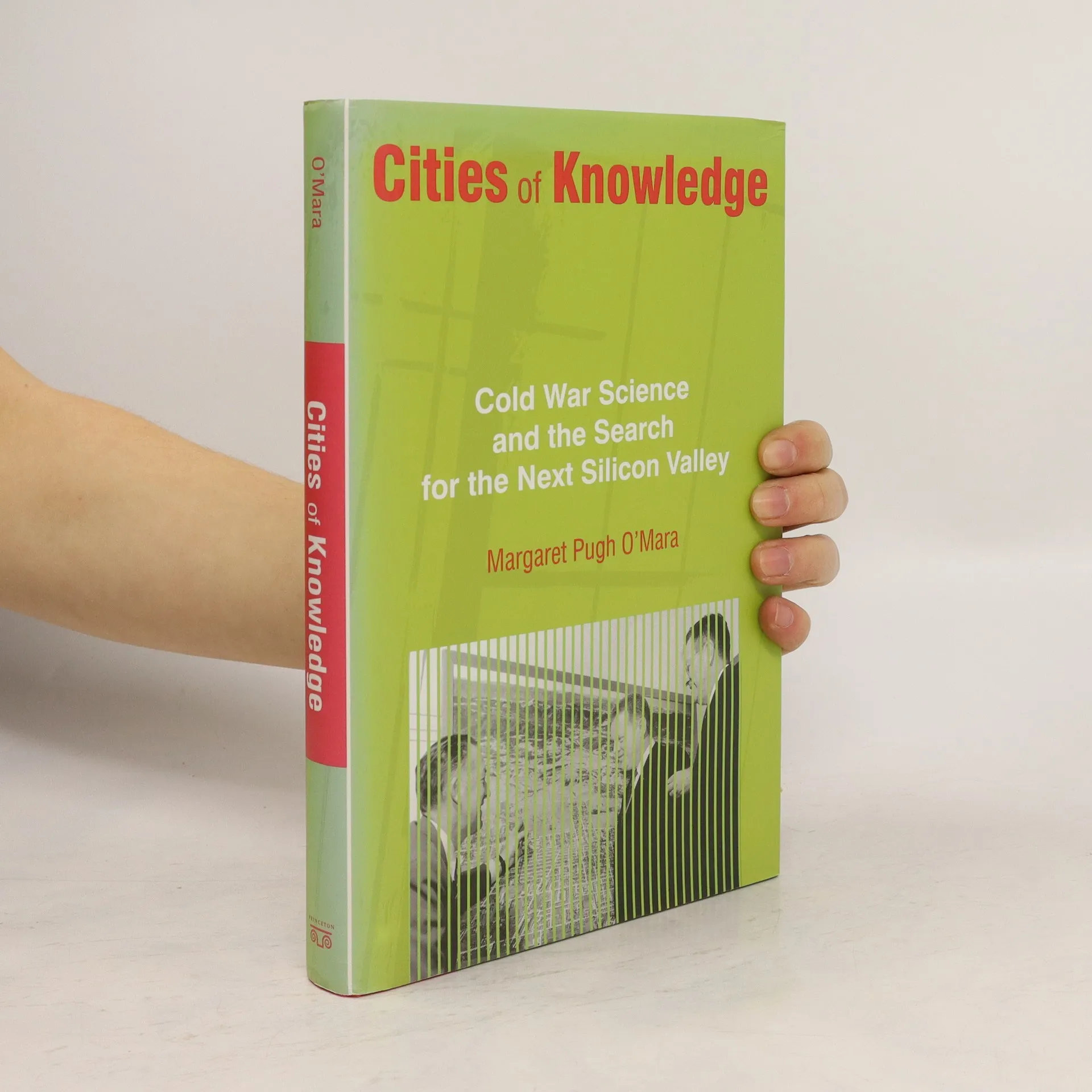
What is the magic formula for transforming a place into a high-tech capital? For over half a century, business leaders and politicians have sought to replicate the success of Silicon Valley, yet few have succeeded. This work explores the economic significance of high-tech development in the late twentieth century and why its essential components—people, jobs, capital, and institutions—are challenging to duplicate. The author reveals that high-tech regions are not merely the result of market forces but are "cities of knowledge," meticulously planned communities of scientific production supported by early venture capitalists and the Cold War defense complex. Central to this narrative is the American research university, which thrived on Cold War funding and played a crucial role in economic growth. This examination of knowledge cities enhances our understanding of postwar urban history and the dynamics between civil society and the state in late twentieth-century America. It also prompts a reevaluation of the American suburb, revealing it as more than mere "sprawl," but as a vital post-industrial city. Grasping this historical and geographical context is crucial for future planning in the high-tech economy, making this work essential for those aiming to create the next Silicon Valley.
Zakup książki
Cities of knowledge, Margaret Pugh O'Mara
- Język

- Rok wydania
- 2005
- Oprawa
- (twarda)
Metody płatności
Brakuje nam tutaj Twojej recenzji.
- Tytuł
- Cities of knowledge
- Podtytuł
- Cold War science and the search for the next Silicon Valley
- Język
- angielski
- Autorzy
- Margaret Pugh O'Mara
- Wydawca
- Princeton
- Rok wydania
- 2005
- Oprawa
- twarda
- ISBN10
- 0691117160
- ISBN13
- 9780691117164
- Seria
- Kategorie
- Ocena
- 3,8 z 5
- Opis
- What is the magic formula for transforming a place into a high-tech capital? For over half a century, business leaders and politicians have sought to replicate the success of Silicon Valley, yet few have succeeded. This work explores the economic significance of high-tech development in the late twentieth century and why its essential components—people, jobs, capital, and institutions—are challenging to duplicate. The author reveals that high-tech regions are not merely the result of market forces but are "cities of knowledge," meticulously planned communities of scientific production supported by early venture capitalists and the Cold War defense complex. Central to this narrative is the American research university, which thrived on Cold War funding and played a crucial role in economic growth. This examination of knowledge cities enhances our understanding of postwar urban history and the dynamics between civil society and the state in late twentieth-century America. It also prompts a reevaluation of the American suburb, revealing it as more than mere "sprawl," but as a vital post-industrial city. Grasping this historical and geographical context is crucial for future planning in the high-tech economy, making this work essential for those aiming to create the next Silicon Valley.