

Więcej o książce
"Successful organizations are constantly searching for new ideas. Historically, organizations have looked to their employees and select partners. They have used techniques like brainstorming to gather and evaluate ideas. However, in today's market, talent and new ideas can be found everywhere. The Internet has enabled organizations to greatly expand their searches far beyond their four walls. Instead of ten or one hundred people, organizations from startups to Fortunate 500 firms can work with thousands or tens of thousands to discover and assess many, many more ideas (as well as prototypes, partners and people). We call this Crowdstorming. But how do you organize so many people and ideas to get the best results? Our goal is to help our readers make Crowdstorming work; to help more organizations engage with people far beyond their organizational borders, to find better ideas, solutions, talent and partners so we can address some of our most challenging problems -- not just for the sake of business, but for our society, too."--Publisher's website
Zakup książki
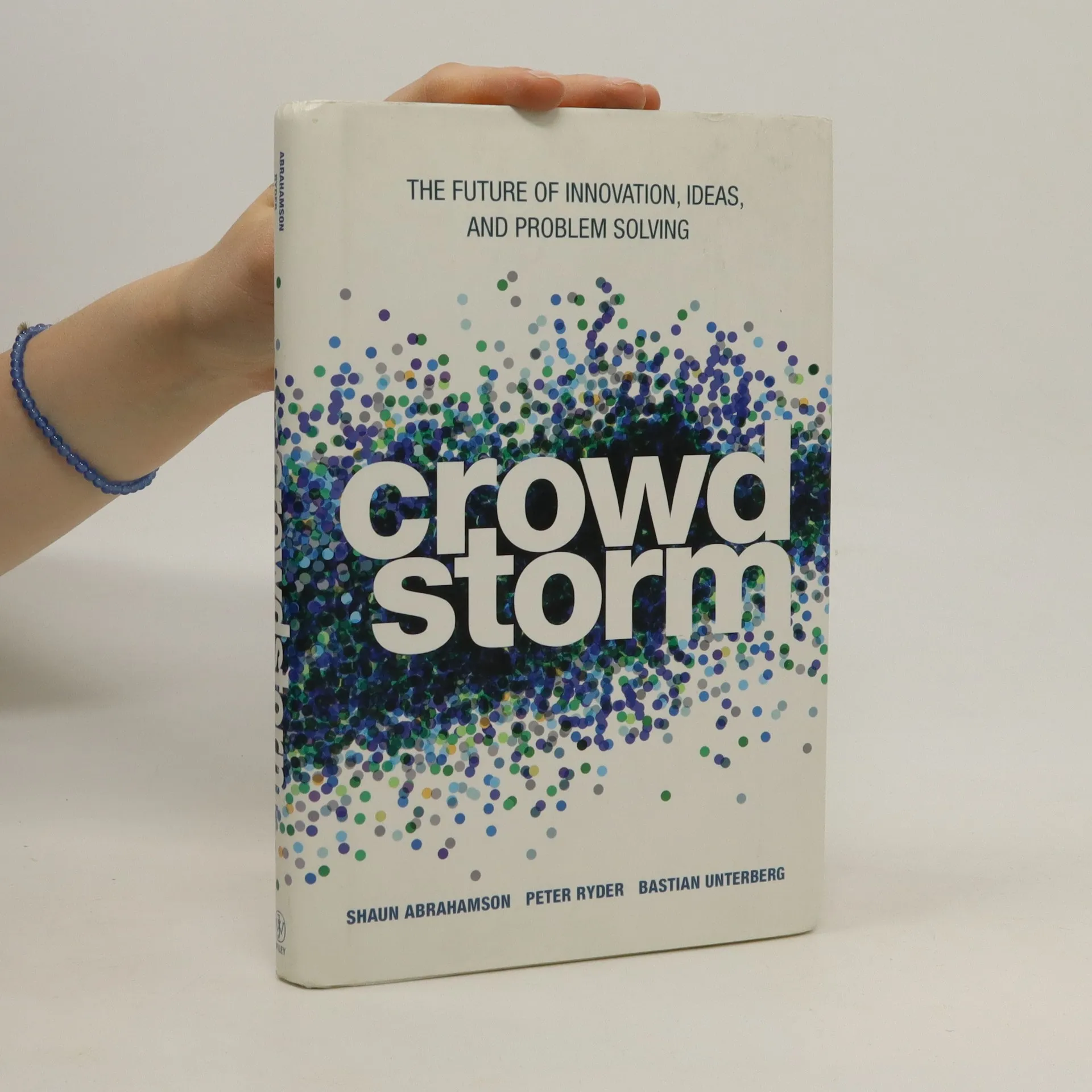
Crowdstorm. The Future of Innovation, Ideas, and Problem Solving, Shaun Abrahamson, Peter Ryder, Bastian Unterberg
- Język

- Rok wydania
- 2013
- Oprawa
- (twarda)
Metody płatności
Brakuje nam tutaj Twojej recenzji.
- Tytuł
- Crowdstorm. The Future of Innovation, Ideas, and Problem Solving
- Język
- angielski
- Autorzy
- Shaun Abrahamson, Peter Ryder, Bastian Unterberg
- Wydawca
- John Wiley & Sons Inc
- Rok wydania
- 2013
- Oprawa
- twarda
- Liczba stron
- 240
- ISBN10
- 1118433203
- ISBN13
- 9781118433201
- Seria
- Tagi
- Biznes
- Ocena
- 3,9 z 5
- Opis
- "Successful organizations are constantly searching for new ideas. Historically, organizations have looked to their employees and select partners. They have used techniques like brainstorming to gather and evaluate ideas. However, in today's market, talent and new ideas can be found everywhere. The Internet has enabled organizations to greatly expand their searches far beyond their four walls. Instead of ten or one hundred people, organizations from startups to Fortunate 500 firms can work with thousands or tens of thousands to discover and assess many, many more ideas (as well as prototypes, partners and people). We call this Crowdstorming. But how do you organize so many people and ideas to get the best results? Our goal is to help our readers make Crowdstorming work; to help more organizations engage with people far beyond their organizational borders, to find better ideas, solutions, talent and partners so we can address some of our most challenging problems -- not just for the sake of business, but for our society, too."--Publisher's website