


Parametry
Więcej o książce
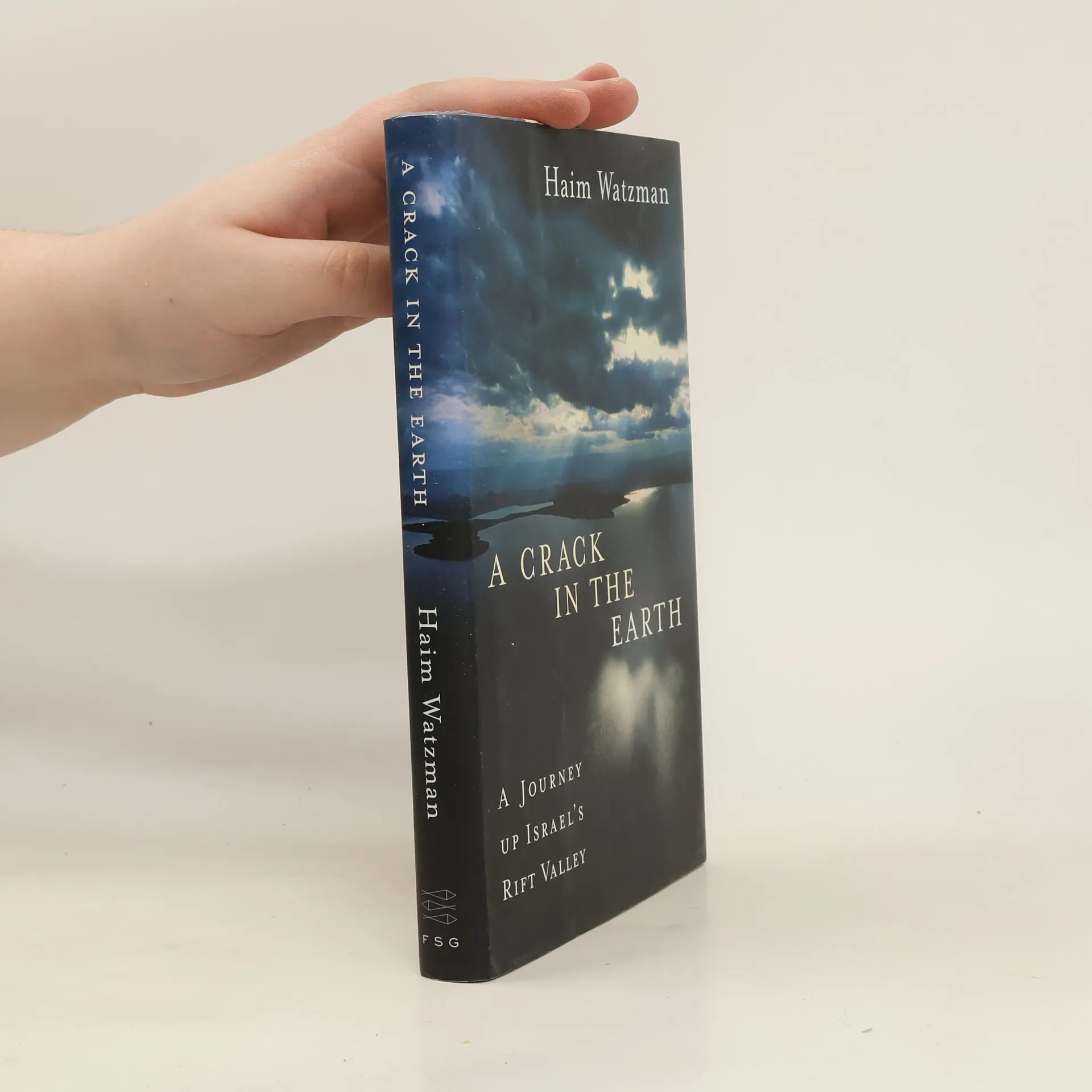
The Great Rift Valley, which runs some three thousand miles from Syria to Mozambique, is one of the earth's most extraordinary geological features. The result of Syria's split from the African continent fifteen million years ago, this great "crack in the earth" crosses Jordan, Syria, Israel, Tanzania, Ethiopia, and Kenya. In 2004, Israeli journalist Haim Watzman set out to explore the northern part of the Rift Valley, where he had lived for nearly two and a half decades. He interviewed a number of scientific experts: a zoologist fascinated by the behavioral patterns of indigenous birds; an archaeologist trying to re-create the standing stone formations left to us by ancient cultures; a geologist speculating on the valley's origins. Watzman raises provocative questions about the nature of this massive feature in the earth's crust: where it comes from, how it has developed, and how human civilization has fared on its shores. "Humankind has overlaid the geology not just with cities, dams, fields, and roads," he writes, "but also with history and biography and meanings."
Zakup książki
A Crack in the Earth, Haim Watzman
- Język

- Rok wydania
- 2007
- Oprawa
- (twarda)
Metody płatności
Brakuje nam tutaj Twojej recenzji.
- Tytuł
- A Crack in the Earth
- Podtytuł
- A Journey Up Israel's Rift Valley
- Język
- angielski
- Autorzy
- Haim Watzman
- Wydawca
- Macmillan
- Rok wydania
- 2007
- Oprawa
- twarda
- ISBN10
- 0374130582
- ISBN13
- 9780374130589
- Seria
- Kategorie
- Ocena
- 3,45 z 5
- Opis
- The Great Rift Valley, which runs some three thousand miles from Syria to Mozambique, is one of the earth's most extraordinary geological features. The result of Syria's split from the African continent fifteen million years ago, this great "crack in the earth" crosses Jordan, Syria, Israel, Tanzania, Ethiopia, and Kenya. In 2004, Israeli journalist Haim Watzman set out to explore the northern part of the Rift Valley, where he had lived for nearly two and a half decades. He interviewed a number of scientific experts: a zoologist fascinated by the behavioral patterns of indigenous birds; an archaeologist trying to re-create the standing stone formations left to us by ancient cultures; a geologist speculating on the valley's origins. Watzman raises provocative questions about the nature of this massive feature in the earth's crust: where it comes from, how it has developed, and how human civilization has fared on its shores. "Humankind has overlaid the geology not just with cities, dams, fields, and roads," he writes, "but also with history and biography and meanings."