

Więcej o książce
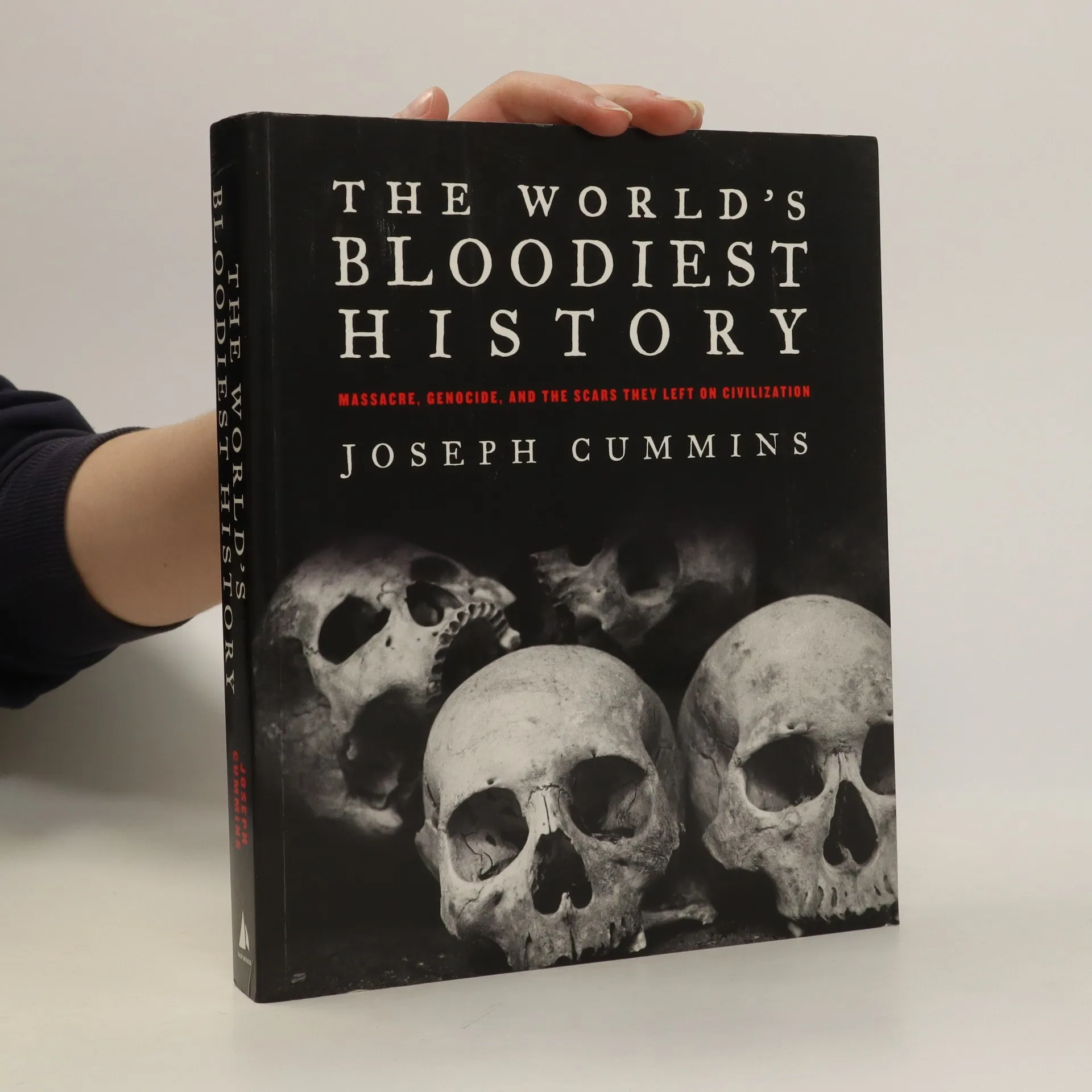
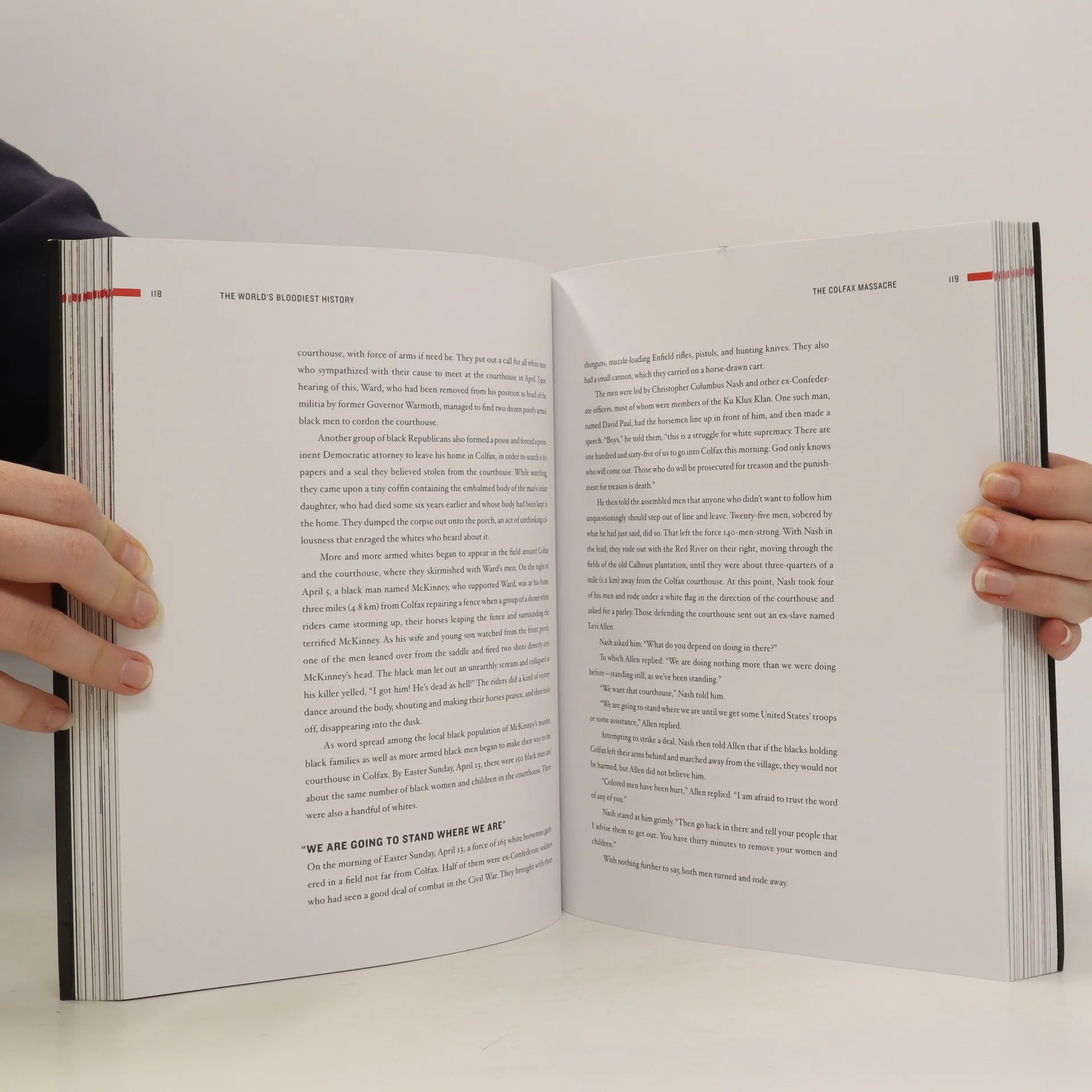
In a somber survey leavened by sparse but inspiring accounts of heroism, author Joseph Cummins revisits some of the most dreadful and destructive acts of violence in history—from moments of sheer madness and merciless military offensives, such as that of the Spanish conquistadors in 1521 in what is now Mexico City, to clinically orchestrated campaigns of genocide, as took place in early twentieth-century Armenia, Nazi-occupied Eastern Europe, and 1970s Cambodia. Engaging, harrowing, and enlightening, his accounts convey the terror and trauma of these incidents while identifying the zealotry, prejudices, and animosities that fuelled them, and analyzing, in revealing fashion, their enduring and sometimes insidious influence on history. Handsomely illustrated with more than 100 striking, sometimes shocking, archival images gathered from around the world, The World’s Bloodiest History combines compelling depictions of momentous events with fascinating character portraits and arresting eyewitness accounts to create an absorbing, multifaceted chronicle of a sobering, all-too-human legacy.
Zakup książki
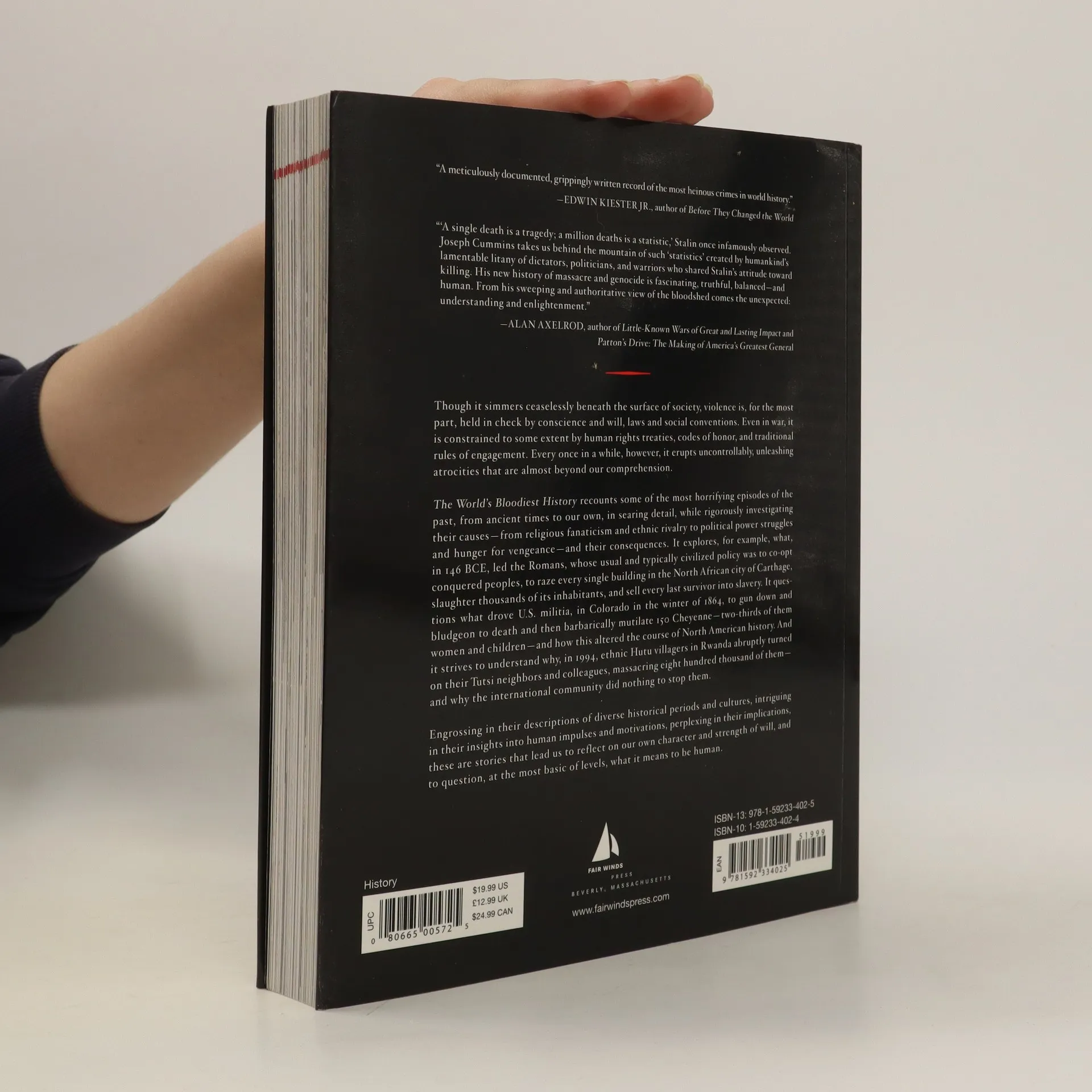
The world's bloodiest history, Joseph Cummins
- Język

- Rok wydania
- 2010
- Oprawa
- (miękka)
Metody płatności
Brakuje nam tutaj Twojej recenzji.
- Tytuł
- The world's bloodiest history
- Język
- angielski
- Autorzy
- Joseph Cummins
- Wydawca
- Fair Winds Press
- Rok wydania
- 2010
- Oprawa
- miękka
- Liczba stron
- 320
- ISBN10
- 1592334024
- ISBN13
- 9781592334025
- Seria
- Kategorie
- Ocena
- 4,2 z 5
- Opis
- In a somber survey leavened by sparse but inspiring accounts of heroism, author Joseph Cummins revisits some of the most dreadful and destructive acts of violence in history—from moments of sheer madness and merciless military offensives, such as that of the Spanish conquistadors in 1521 in what is now Mexico City, to clinically orchestrated campaigns of genocide, as took place in early twentieth-century Armenia, Nazi-occupied Eastern Europe, and 1970s Cambodia. Engaging, harrowing, and enlightening, his accounts convey the terror and trauma of these incidents while identifying the zealotry, prejudices, and animosities that fuelled them, and analyzing, in revealing fashion, their enduring and sometimes insidious influence on history. Handsomely illustrated with more than 100 striking, sometimes shocking, archival images gathered from around the world, The World’s Bloodiest History combines compelling depictions of momentous events with fascinating character portraits and arresting eyewitness accounts to create an absorbing, multifaceted chronicle of a sobering, all-too-human legacy.