



Parametry
- 252 strony
- 9 godzin czytania
Więcej o książce
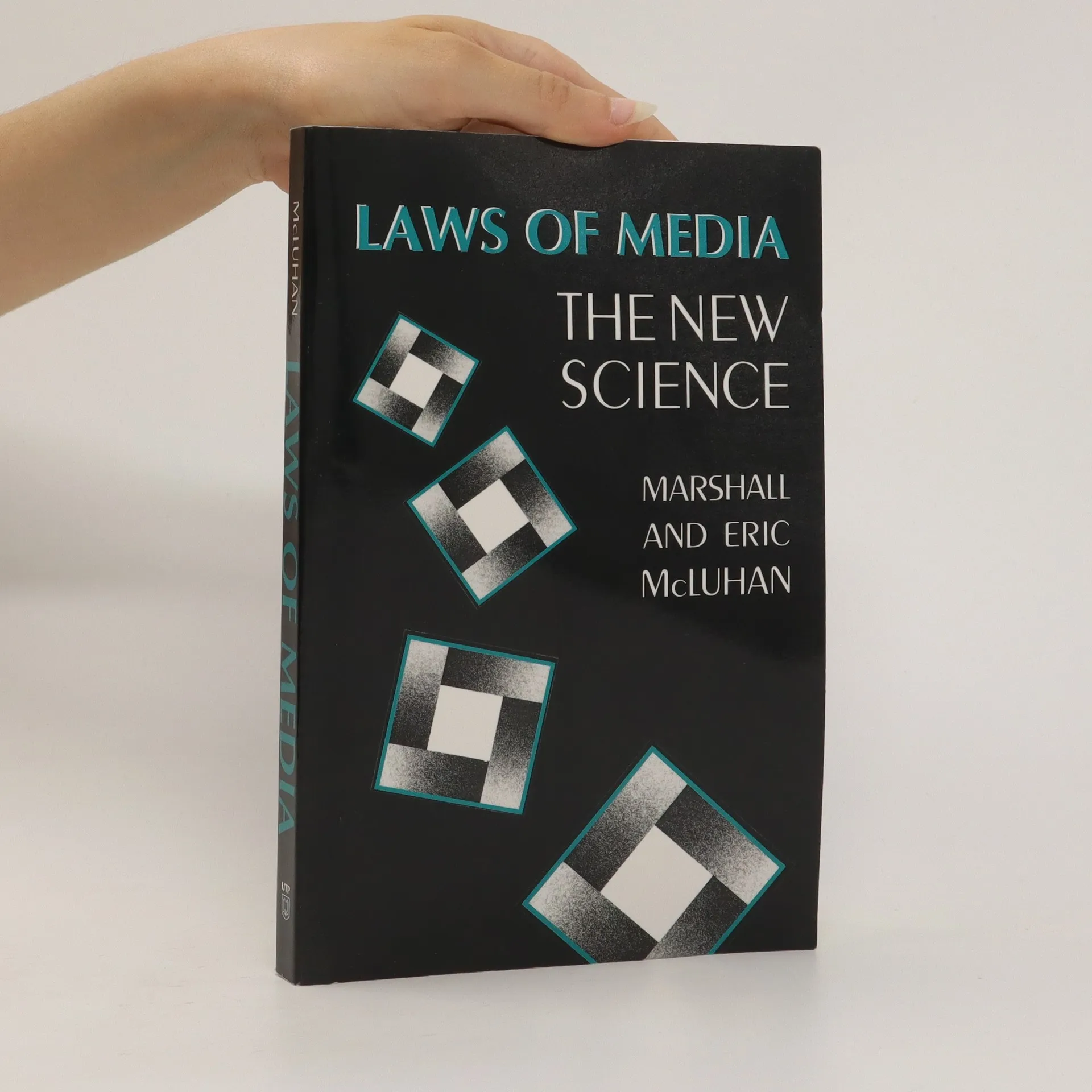
Marshall McLuhan is celebrated as one of Canada's most original thinkers, with works like The Gutenberg Galaxy and Understanding Media establishing his global reputation and influencing our grasp of modern communication. In his later years, he collaborated with his son, Eric McLuhan, on a 'unified field' theory of human culture. This collaboration aims to retrieve an ancient understanding of the world, rooted in the power of 'logos' and its role in shaping culture and media. They argue that the invention of the alphabet led to a preference for visual conceptualizations over acoustic ones, exploring the differences between the brain's hemispheres and employing Gestalt theories to define media. The term 'media,' central to McLuhan's thought, is examined broadly, encompassing all human creations—artefacts, ideas, and innovations, from computer programs to everyday objects. The McLuhans introduce a tetrad of four questions applicable to any artefact or idea: What does it enhance? What does it render obsolete? What does it retrieve? What does it produce when pushed to extremes? Each human innovation answers these questions, and those that do not are not considered products of human creativity. Their laws provide a new scientific foundation for media studies, enabling prediction and encompassing all human activities. This New Science redefines our understanding of human creation and offers a vision for reshaping the future.
Zakup książki
Laws of media: the new science, Marshall McLuhan, Eric McLuhan
- Język

- Rok wydania
- 1988
- Oprawa
- (miękka)
Metody płatności
Brakuje nam tutaj Twojej recenzji.
- Tytuł
- Laws of media: the new science
- Język
- angielski
- Autorzy
- Marshall McLuhan, Eric McLuhan
- Wydawca
- University of Toronto Press
- Rok wydania
- 1988
- Oprawa
- miękka
- Liczba stron
- 252
- ISBN10
- 0802077153
- ISBN13
- 9780802077158
- Seria
- Kategorie
- Ocena
- 4,1 z 5
- Opis
- Marshall McLuhan is celebrated as one of Canada's most original thinkers, with works like The Gutenberg Galaxy and Understanding Media establishing his global reputation and influencing our grasp of modern communication. In his later years, he collaborated with his son, Eric McLuhan, on a 'unified field' theory of human culture. This collaboration aims to retrieve an ancient understanding of the world, rooted in the power of 'logos' and its role in shaping culture and media. They argue that the invention of the alphabet led to a preference for visual conceptualizations over acoustic ones, exploring the differences between the brain's hemispheres and employing Gestalt theories to define media. The term 'media,' central to McLuhan's thought, is examined broadly, encompassing all human creations—artefacts, ideas, and innovations, from computer programs to everyday objects. The McLuhans introduce a tetrad of four questions applicable to any artefact or idea: What does it enhance? What does it render obsolete? What does it retrieve? What does it produce when pushed to extremes? Each human innovation answers these questions, and those that do not are not considered products of human creativity. Their laws provide a new scientific foundation for media studies, enabling prediction and encompassing all human activities. This New Science redefines our understanding of human creation and offers a vision for reshaping the future.