

Ocena książki
Więcej o książce
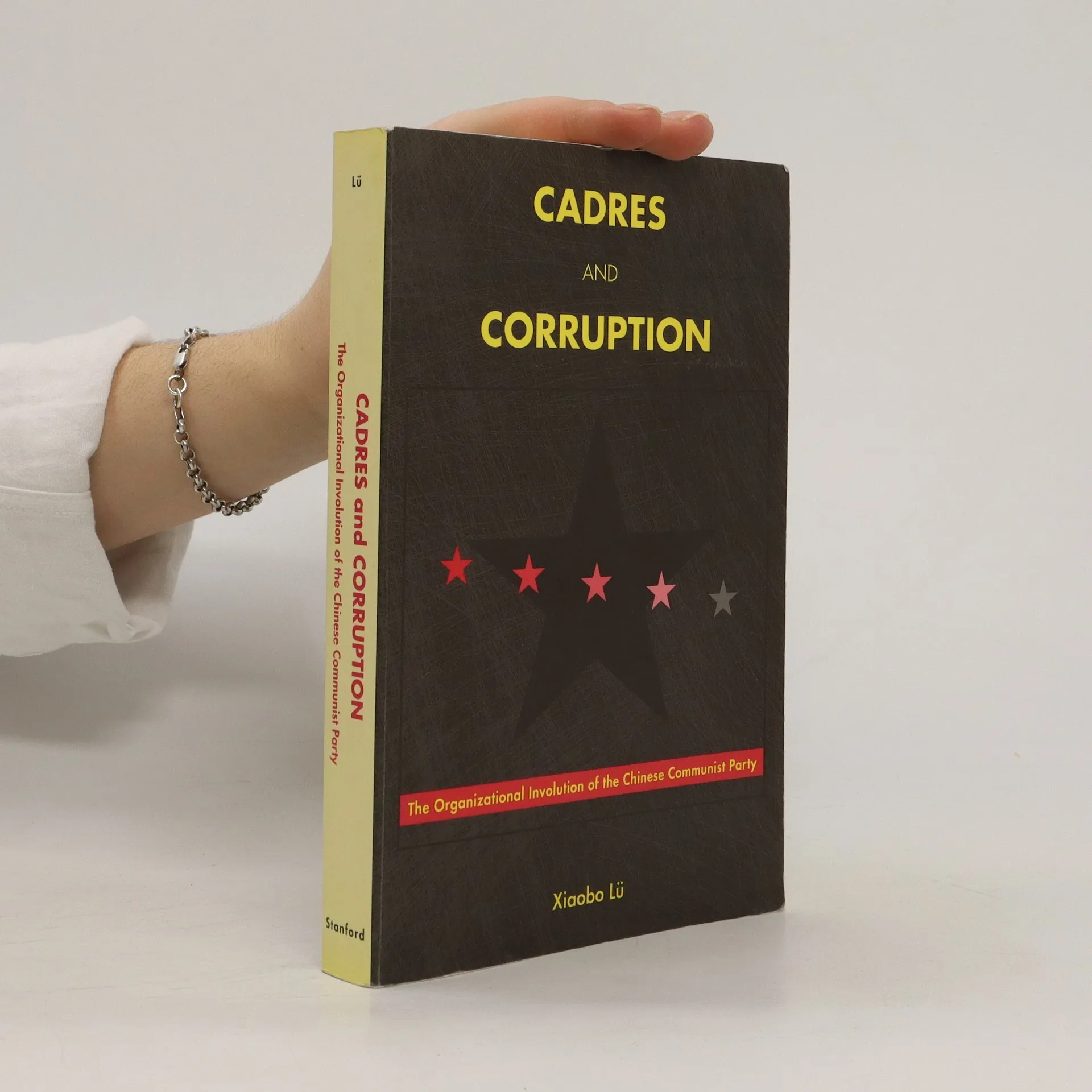
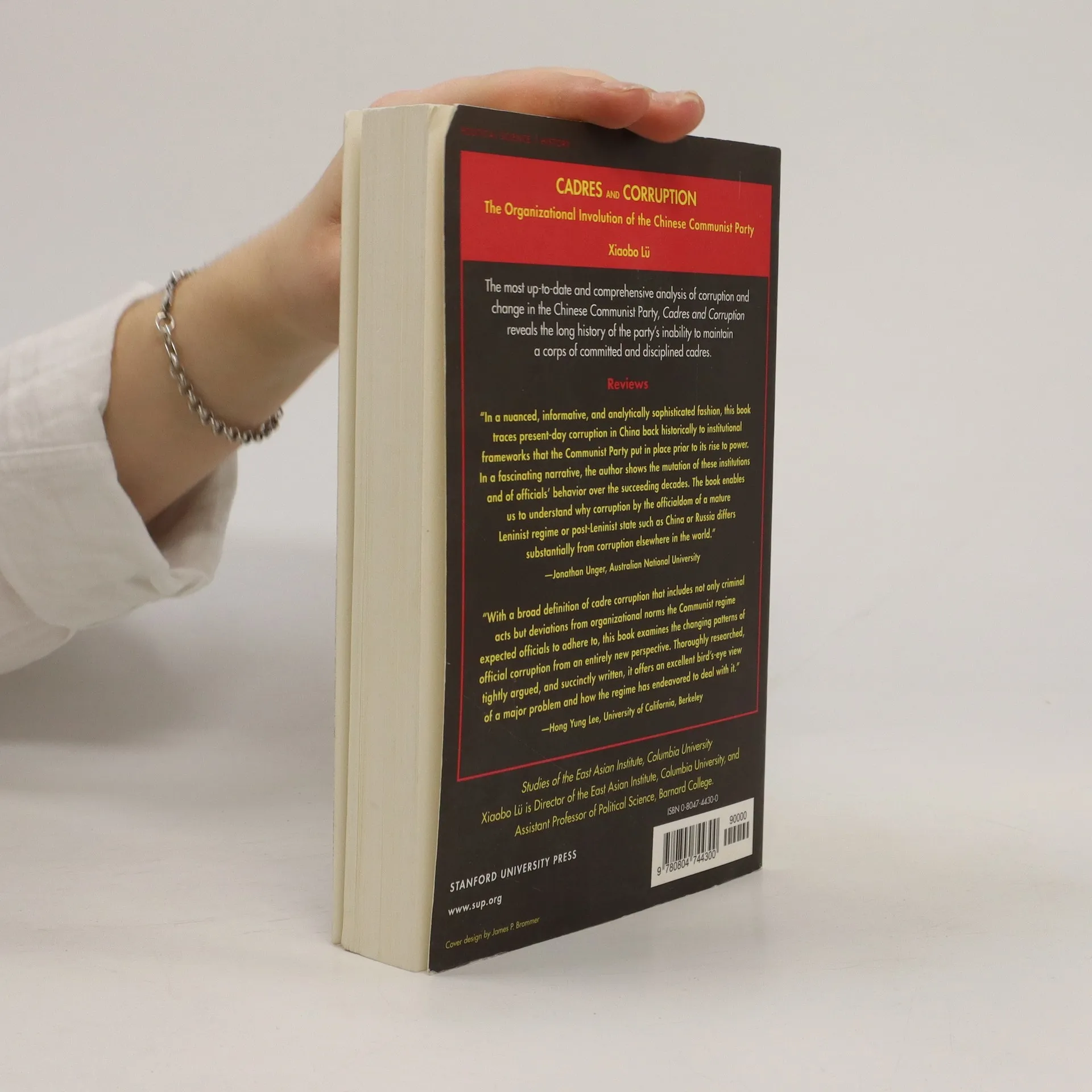
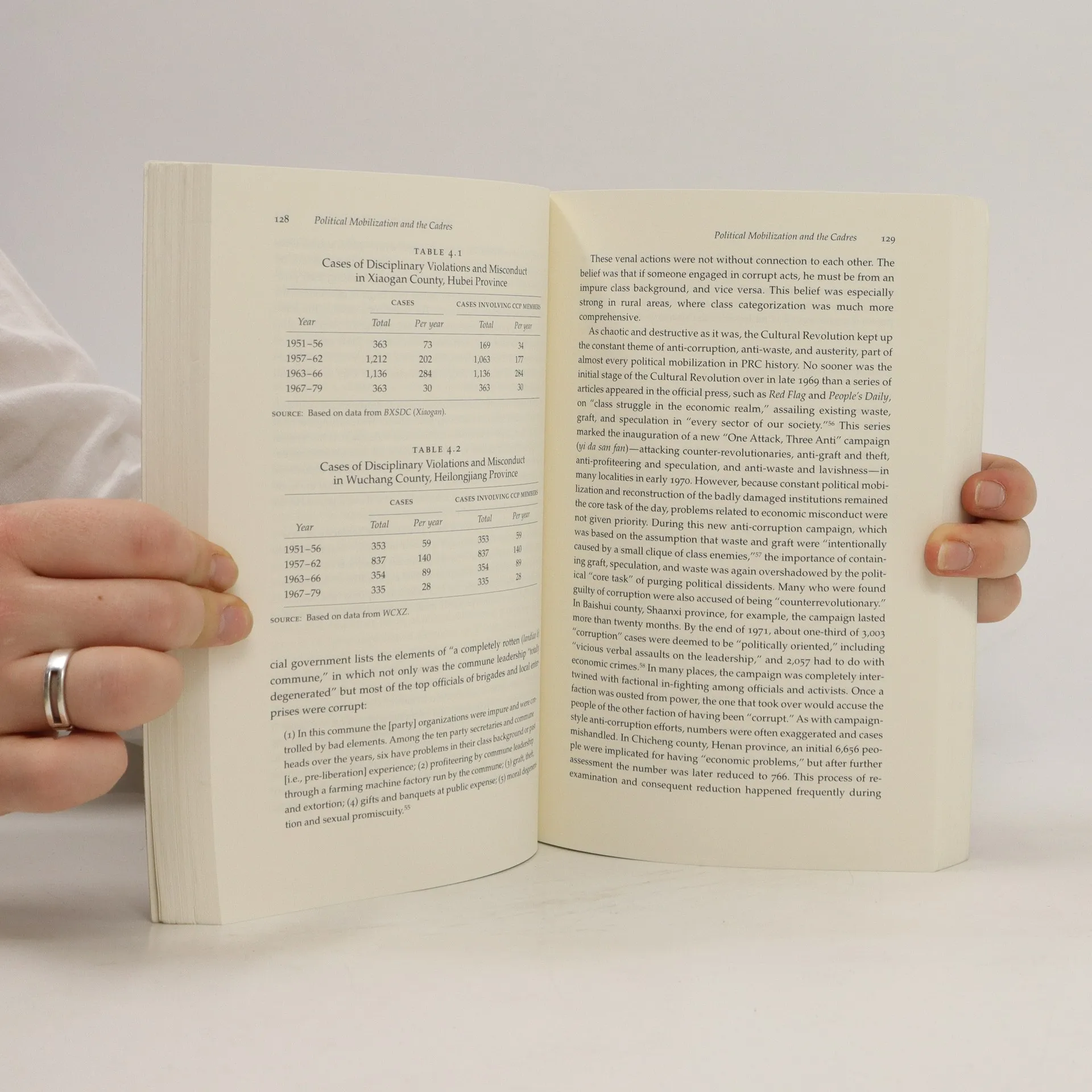
This comprehensive analysis of corruption and change within the Chinese Communist Party reveals its longstanding struggle to maintain committed and disciplined cadres. The author challenges the common perception of corruption as merely an administrative or ethical issue, positing that it reflects broader political developments and the regime's evolution. Utilizing a wealth of previously unpublished documents and extensive interviews, the book adopts a novel approach by examining organizational changes within the ruling party. This perspective sheds light on the causes and evolving patterns of official corruption and the nature of the Chinese Communist regime. By exploring the party's organizational trajectory since its rise to power in 1949, the author contends that corruption among Communist cadres is not a recent phenomenon linked solely to the post-Mao reform era or economic incentives. Instead, it stems from a prolonged process of organizational involution initiated during the Maoist era of "continuous revolution." This process led the party to lose its capacity to sustain governance through traditional Leninist or Weberian frameworks, inadvertently fostering a neotraditional ethos and authority relations that have contributed to the prevalence of official corruption.
Zakup książki
Cadres and corruption. The organizational involution of the Chinese Communist Party, . Xiaobo Lu
- Język

- Rok wydania
- 2000
- Oprawa
- (miękka)
Metody płatności
Brakuje nam tutaj Twojej recenzji.
- Tytuł
- Cadres and corruption. The organizational involution of the Chinese Communist Party
- Język
- angielski
- Autorzy
- . Xiaobo Lu
- Wydawca
- Stanford University Press
- Rok wydania
- 2000
- Oprawa
- miękka
- Liczba stron
- 392
- ISBN10
- 0804744300
- ISBN13
- 9780804744300
- Seria
- Tagi
- Ocena
- 3,35 z 5
- Opis
- This comprehensive analysis of corruption and change within the Chinese Communist Party reveals its longstanding struggle to maintain committed and disciplined cadres. The author challenges the common perception of corruption as merely an administrative or ethical issue, positing that it reflects broader political developments and the regime's evolution. Utilizing a wealth of previously unpublished documents and extensive interviews, the book adopts a novel approach by examining organizational changes within the ruling party. This perspective sheds light on the causes and evolving patterns of official corruption and the nature of the Chinese Communist regime. By exploring the party's organizational trajectory since its rise to power in 1949, the author contends that corruption among Communist cadres is not a recent phenomenon linked solely to the post-Mao reform era or economic incentives. Instead, it stems from a prolonged process of organizational involution initiated during the Maoist era of "continuous revolution." This process led the party to lose its capacity to sustain governance through traditional Leninist or Weberian frameworks, inadvertently fostering a neotraditional ethos and authority relations that have contributed to the prevalence of official corruption.