



Więcej o książce
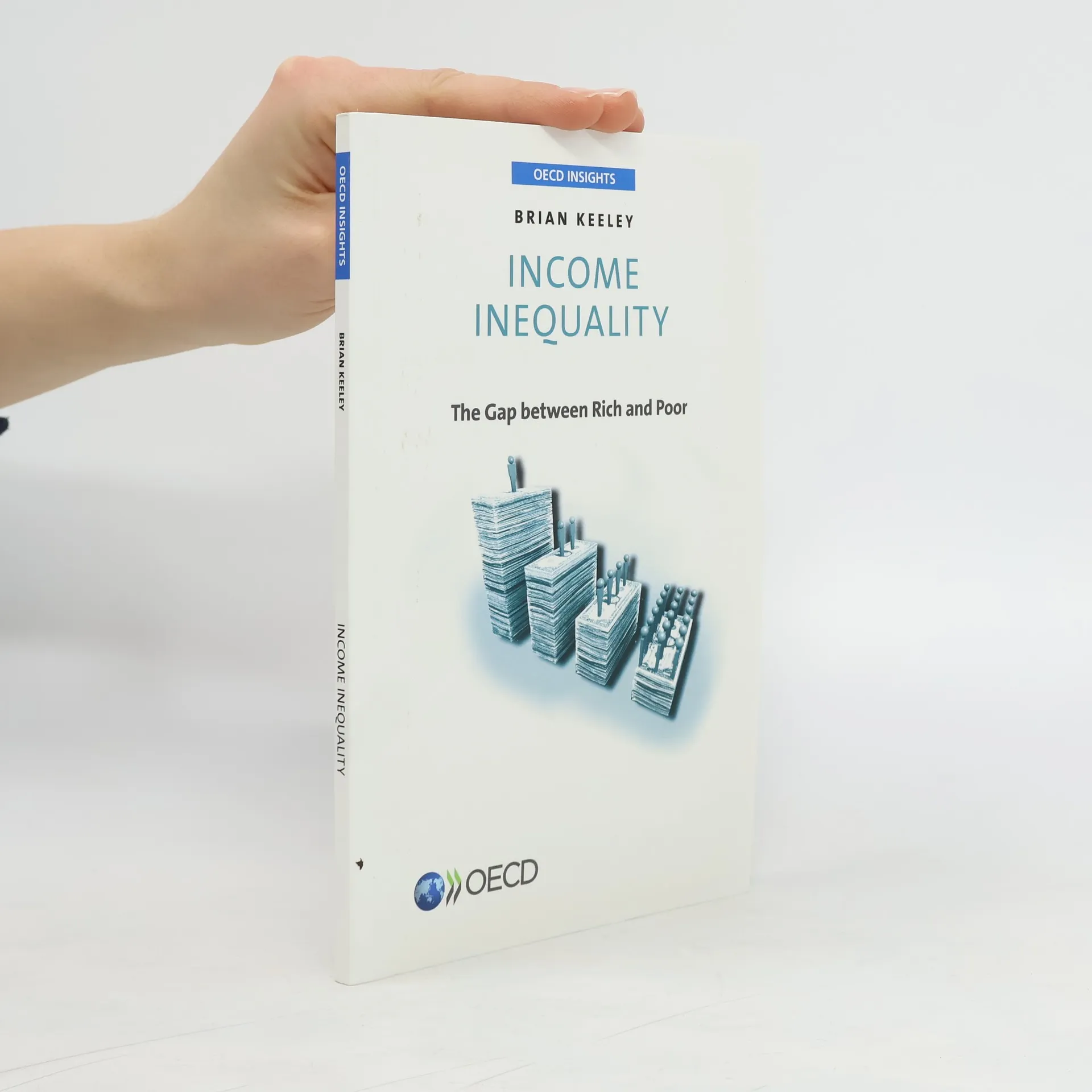
Income inequality is rising. A quarter of a century ago, the average disposable income of the richest 10% in OECD countries was around seven times higher than that of the poorest 10%; today, it's around 9½ times higher. Why does this matter? Many fear this widening gap is hurting individuals, societies and even economies. This book explores income inequality across five main headings. It starts by explaining some key terms in the inequality debate. It then examines recent trends and explains why income inequality varies between countries. Next it looks at why income gaps are growing and, in particular, at the rise of the 1%. It then looks at the consequences, including research that suggests widening inequality could hurt economic growth. Finally, it examines policies for addressing inequality and making economies more inclusive.
Zakup książki
Income Inequality : The Gap between Rich and Poor, Brian Keeley
- Język

- Rok wydania
- 2015
- Oprawa
- (miękka)
Metody płatności
Nikt jeszcze nie ocenił.
- Tytuł
- Income Inequality : The Gap between Rich and Poor
- Język
- angielski
- Autorzy
- Brian Keeley
- Wydawca
- OECD
- Rok wydania
- 2015
- Oprawa
- miękka
- Liczba stron
- 120
- ISBN10
- 9264246002
- ISBN13
- 9789264246003
- Seria
- Kategorie
- Tagi
- Opis
- Income inequality is rising. A quarter of a century ago, the average disposable income of the richest 10% in OECD countries was around seven times higher than that of the poorest 10%; today, it's around 9½ times higher. Why does this matter? Many fear this widening gap is hurting individuals, societies and even economies. This book explores income inequality across five main headings. It starts by explaining some key terms in the inequality debate. It then examines recent trends and explains why income inequality varies between countries. Next it looks at why income gaps are growing and, in particular, at the rise of the 1%. It then looks at the consequences, including research that suggests widening inequality could hurt economic growth. Finally, it examines policies for addressing inequality and making economies more inclusive.