

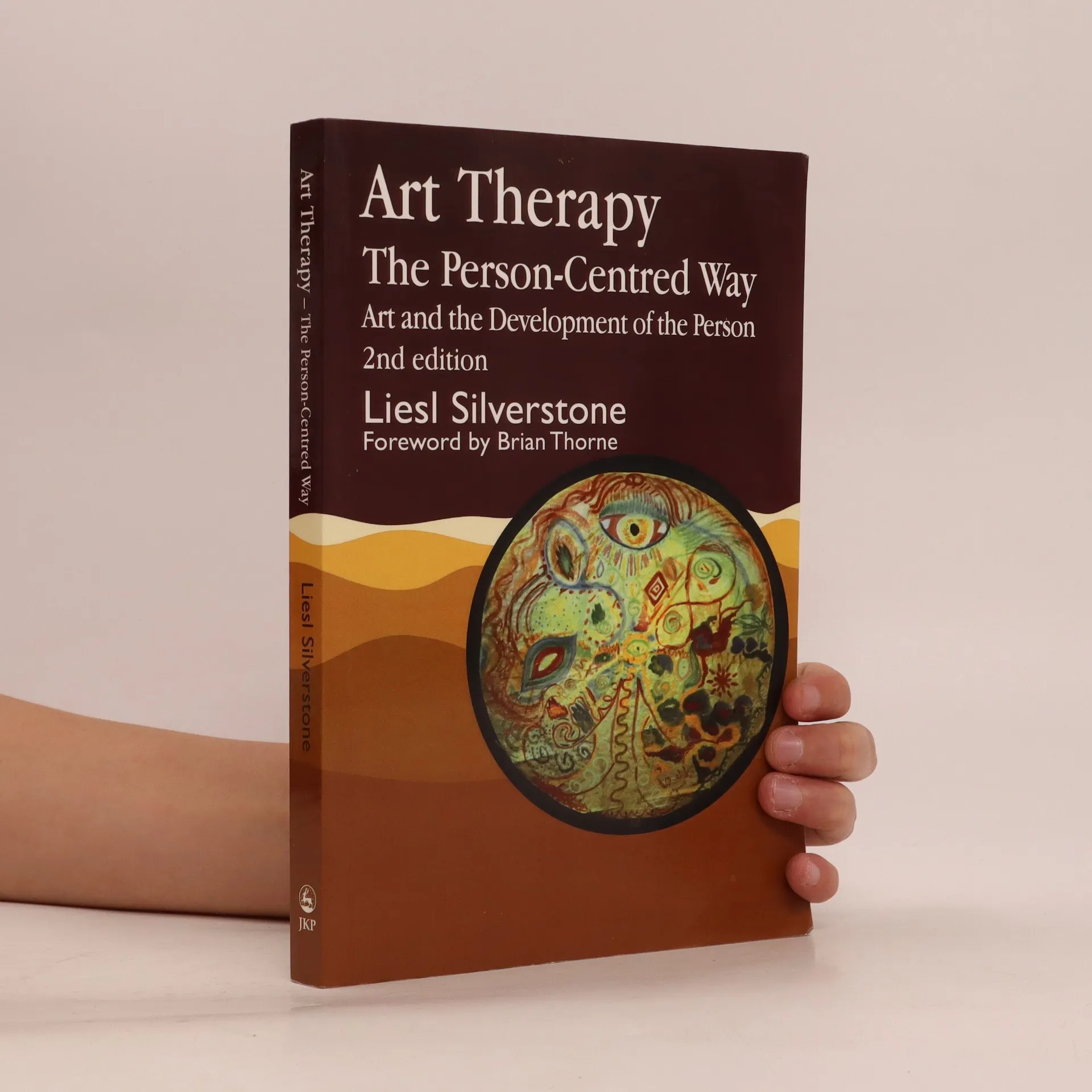
Art therapy the person-centred way : art and the development of the person
Autorzy
Ocena książki
Więcej o książce
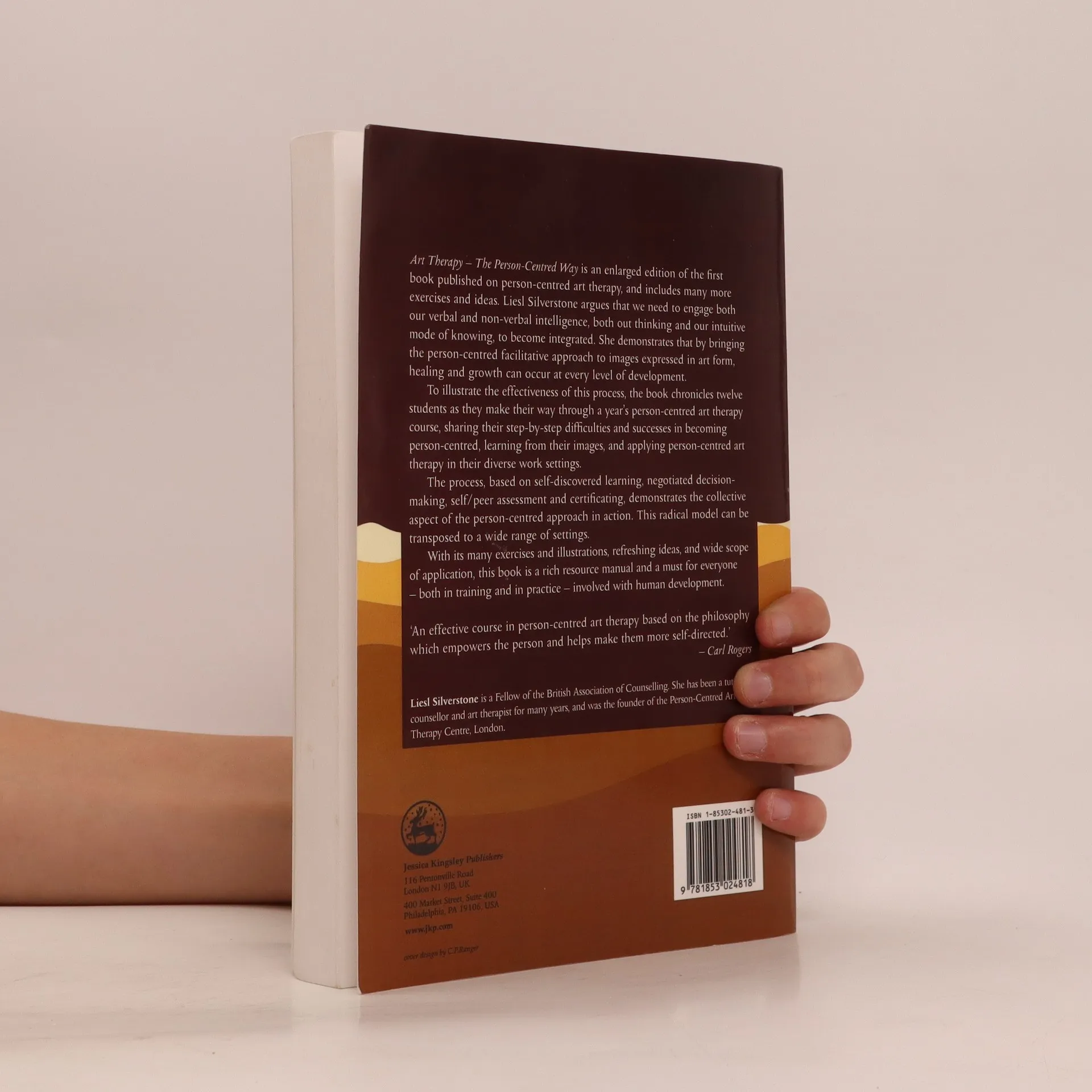
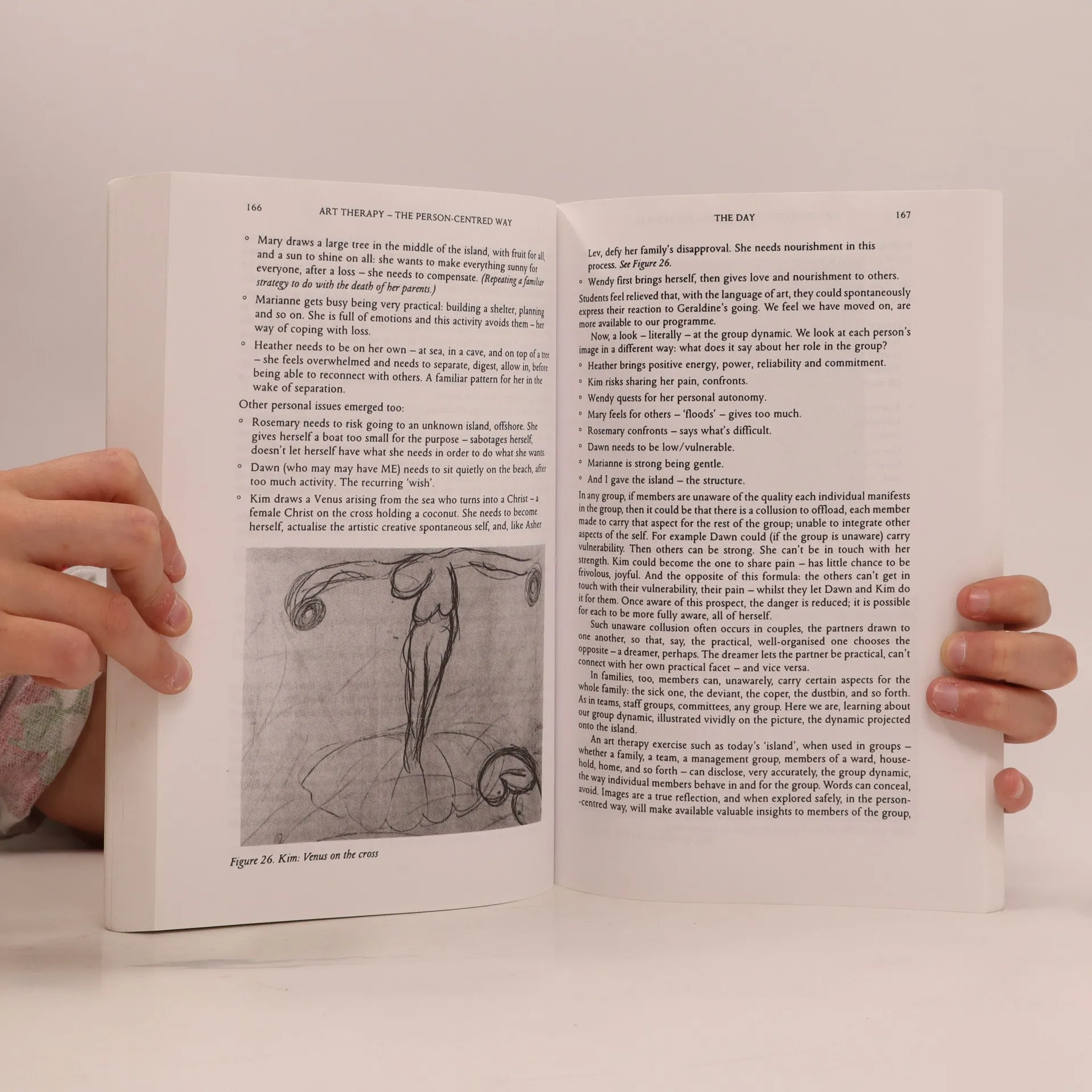
Art Therapy - The Person-Centred Way is an enlarged edition of the first book published on person-centred art therapy, and includes many more exercises and ideas. It demonstrates that by bringing the person-centred facilitative approach to images expressed in art form, healing and growth can occur at every level of development. We need to engage both our verbal and non-verbal intelligence to become integrated. To illustrate the effectiveness of this process, the book chronicles twelve students as they make their way through a year's person-centred art therapy course, sharing their step-by-step difficulties and successes in becoming person-centred, learning from their images, and applying person-centred art therapy in their diverse work settings. The process, based on self-discovered learning, negotiated decision-making, self/peer assessment and certificating, demonstrates the collective aspect of the person-centred approach in action. This radical model can be transposed to a wide range of settings. With its many exercises and illustrations, refreshing ideas, and wide scope of application, this book is a rich resource manual and a must for everyone - both in training and in practice - involved with human development.
Zakup książki
Art therapy the person-centred way : art and the development of the person, Liesl Silverstone
- Język

- Rok wydania
- 1997
- Oprawa
- (miękka)
Metody płatności
Brakuje nam tutaj Twojej recenzji.
- Tytuł
- Art therapy the person-centred way : art and the development of the person
- Język
- angielski
- Autorzy
- Liesl Silverstone
- Wydawca
- Jessica Kingsley Publishers
- Rok wydania
- 1997
- Oprawa
- miękka
- Liczba stron
- 272
- ISBN10
- 1853024813
- ISBN13
- 9781853024818
- Seria
- Tagi
- Ocena
- 4 z 5
- Opis
- Art Therapy - The Person-Centred Way is an enlarged edition of the first book published on person-centred art therapy, and includes many more exercises and ideas. It demonstrates that by bringing the person-centred facilitative approach to images expressed in art form, healing and growth can occur at every level of development. We need to engage both our verbal and non-verbal intelligence to become integrated. To illustrate the effectiveness of this process, the book chronicles twelve students as they make their way through a year's person-centred art therapy course, sharing their step-by-step difficulties and successes in becoming person-centred, learning from their images, and applying person-centred art therapy in their diverse work settings. The process, based on self-discovered learning, negotiated decision-making, self/peer assessment and certificating, demonstrates the collective aspect of the person-centred approach in action. This radical model can be transposed to a wide range of settings. With its many exercises and illustrations, refreshing ideas, and wide scope of application, this book is a rich resource manual and a must for everyone - both in training and in practice - involved with human development.