



Więcej o książce
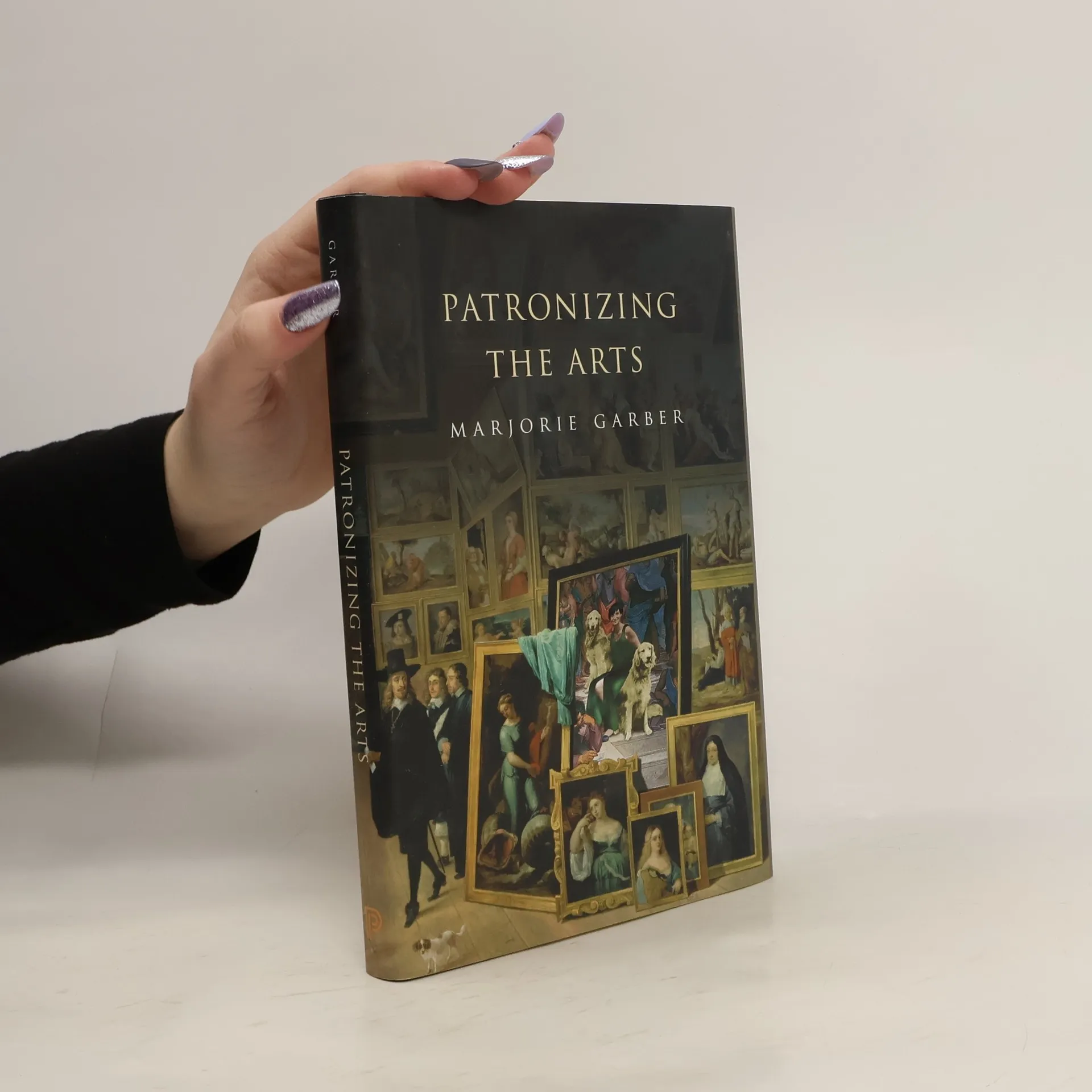
What is the role of the arts in American culture, and how should we support them? Artists historically rely on funding and support from patrons, including individuals, corporations, and governments. However, these relationships can be problematic, often leaving artists feeling "patronized"—financially supported yet condescended to for pursuing what some see as mere play rather than serious work. In this thought-provoking exploration, Marjorie Garber delves into the history of patronage, illustrating how it has both elevated and harmed the arts in modern culture. She advocates for universities to become serious patrons of the arts, challenging prevailing prejudices against art's role in higher education and rejecting the perceived inequality between sciences and humanities. Garber highlights the parallels between creating fine art and good science, scrutinizing issues of artistic and monetary value, as well as the interactions between high and popular culture. She even proposes that college sports could inspire new models for arts funding. Through engaging anecdotes and insightful details, Garber passionately calls for a renewed focus on the arts, emphasizing their importance not only through external support but as a fundamental component of higher education. This compelling work invites readers to consider the future of artistic creation.
Zakup książki
Patronizing the arts, Marjorie B. Garber
- Język

- Rok wydania
- 2008
- Oprawa
- (twarda)
Metody płatności
Brakuje nam tutaj Twojej recenzji.
- Tytuł
- Patronizing the arts
- Język
- angielski
- Autorzy
- Marjorie B. Garber
- Wydawca
- Princeton University Press
- Rok wydania
- 2008
- Oprawa
- twarda
- Liczba stron
- 234
- ISBN10
- 0691124809
- ISBN13
- 9780691124803
- Seria
- Tagi
- Tematy historyczne, Sztuka
- Ocena
- 3,85 z 5
- Opis
- What is the role of the arts in American culture, and how should we support them? Artists historically rely on funding and support from patrons, including individuals, corporations, and governments. However, these relationships can be problematic, often leaving artists feeling "patronized"—financially supported yet condescended to for pursuing what some see as mere play rather than serious work. In this thought-provoking exploration, Marjorie Garber delves into the history of patronage, illustrating how it has both elevated and harmed the arts in modern culture. She advocates for universities to become serious patrons of the arts, challenging prevailing prejudices against art's role in higher education and rejecting the perceived inequality between sciences and humanities. Garber highlights the parallels between creating fine art and good science, scrutinizing issues of artistic and monetary value, as well as the interactions between high and popular culture. She even proposes that college sports could inspire new models for arts funding. Through engaging anecdotes and insightful details, Garber passionately calls for a renewed focus on the arts, emphasizing their importance not only through external support but as a fundamental component of higher education. This compelling work invites readers to consider the future of artistic creation.