


Więcej o książce
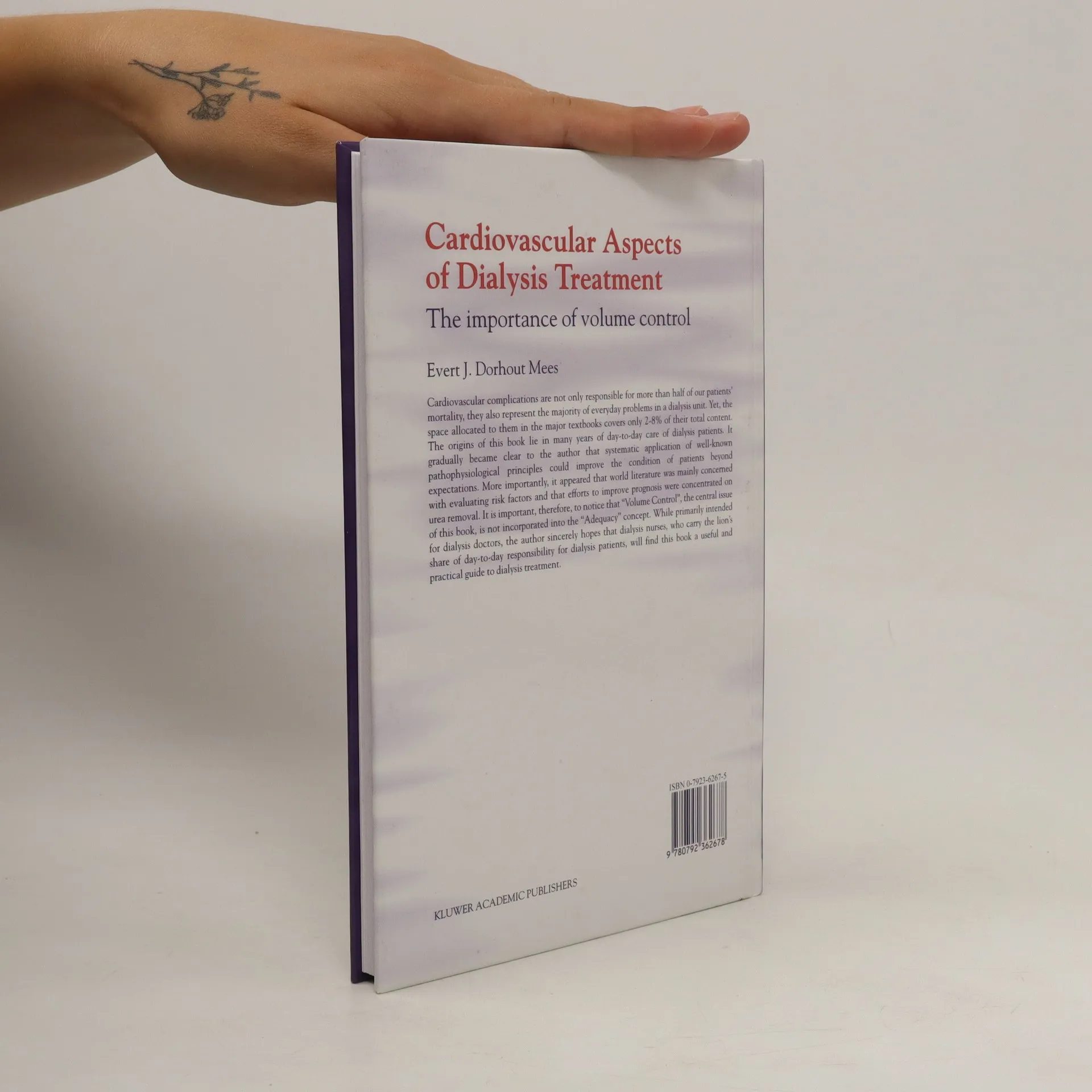
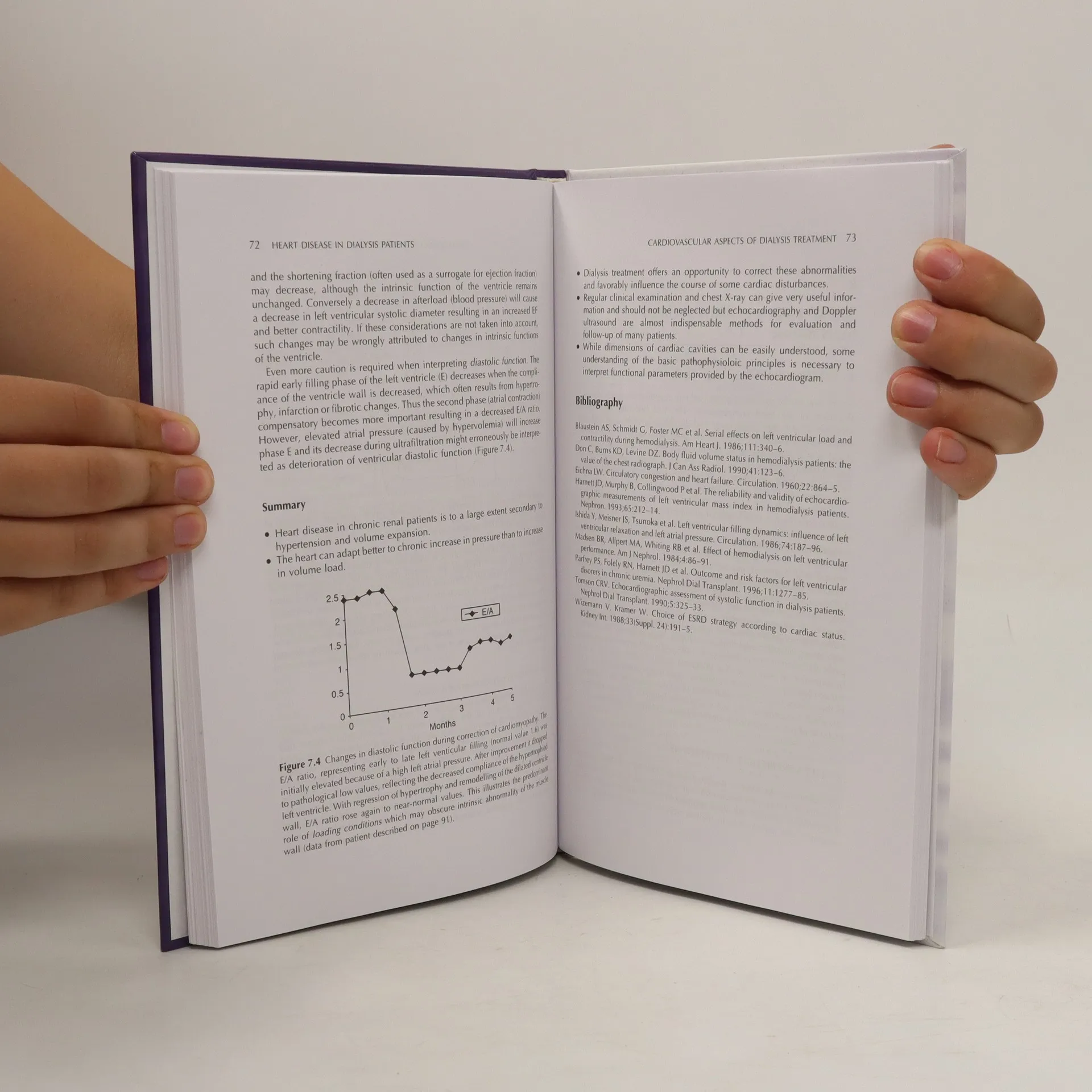
Cardiovascular complications are not only responsible for more than half of our patients' mortality, they also represent the bulk of everyday problems in a dialysis unit. Yet, the space allocated to them in the major textbooks covers only 2-8% of their total content. The origins of this book lie in many years of day-to-day care of dialysis patients. It gradually became clear to the author that systematic application of well-known pathophysiological principles could improve patients' conditions beyond expectations. More importantly, it appeared that world literature was mainly concerned with evaluating risk factors and that efforts to improve prognosis were concentrated on urea removal. It is important, therefore, to notice that `Volume Control', the central issue of this book, is not incorporated into the `Adequacy' concept. While primarily intended for dialysis doctors, the author sincerely hopes that dialysis nurses, who carry the lion's share of day-to-day responsibility for dialysis patients, will also find this book a useful and practical guide to dialysis treatment.
Zakup książki
Cardiovascular Aspects of Dialysis Treatment, E. J. Evert J. Dorhout Mees
- Język

- Rok wydania
- 2000
- Oprawa
- (twarda)
Metody płatności
Nikt jeszcze nie ocenił.
- Tytuł
- Cardiovascular Aspects of Dialysis Treatment
- Język
- słowacki
- Autorzy
- E. J. Evert J. Dorhout Mees
- Wydawca
- Kluwer Academic Publishers
- Rok wydania
- 2000
- Oprawa
- twarda
- Liczba stron
- 135
- ISBN10
- 0792362675
- ISBN13
- 9780792362678
- Seria
- Kategorie
- Opis
- Cardiovascular complications are not only responsible for more than half of our patients' mortality, they also represent the bulk of everyday problems in a dialysis unit. Yet, the space allocated to them in the major textbooks covers only 2-8% of their total content. The origins of this book lie in many years of day-to-day care of dialysis patients. It gradually became clear to the author that systematic application of well-known pathophysiological principles could improve patients' conditions beyond expectations. More importantly, it appeared that world literature was mainly concerned with evaluating risk factors and that efforts to improve prognosis were concentrated on urea removal. It is important, therefore, to notice that `Volume Control', the central issue of this book, is not incorporated into the `Adequacy' concept. While primarily intended for dialysis doctors, the author sincerely hopes that dialysis nurses, who carry the lion's share of day-to-day responsibility for dialysis patients, will also find this book a useful and practical guide to dialysis treatment.