



Parametry
Więcej o książce
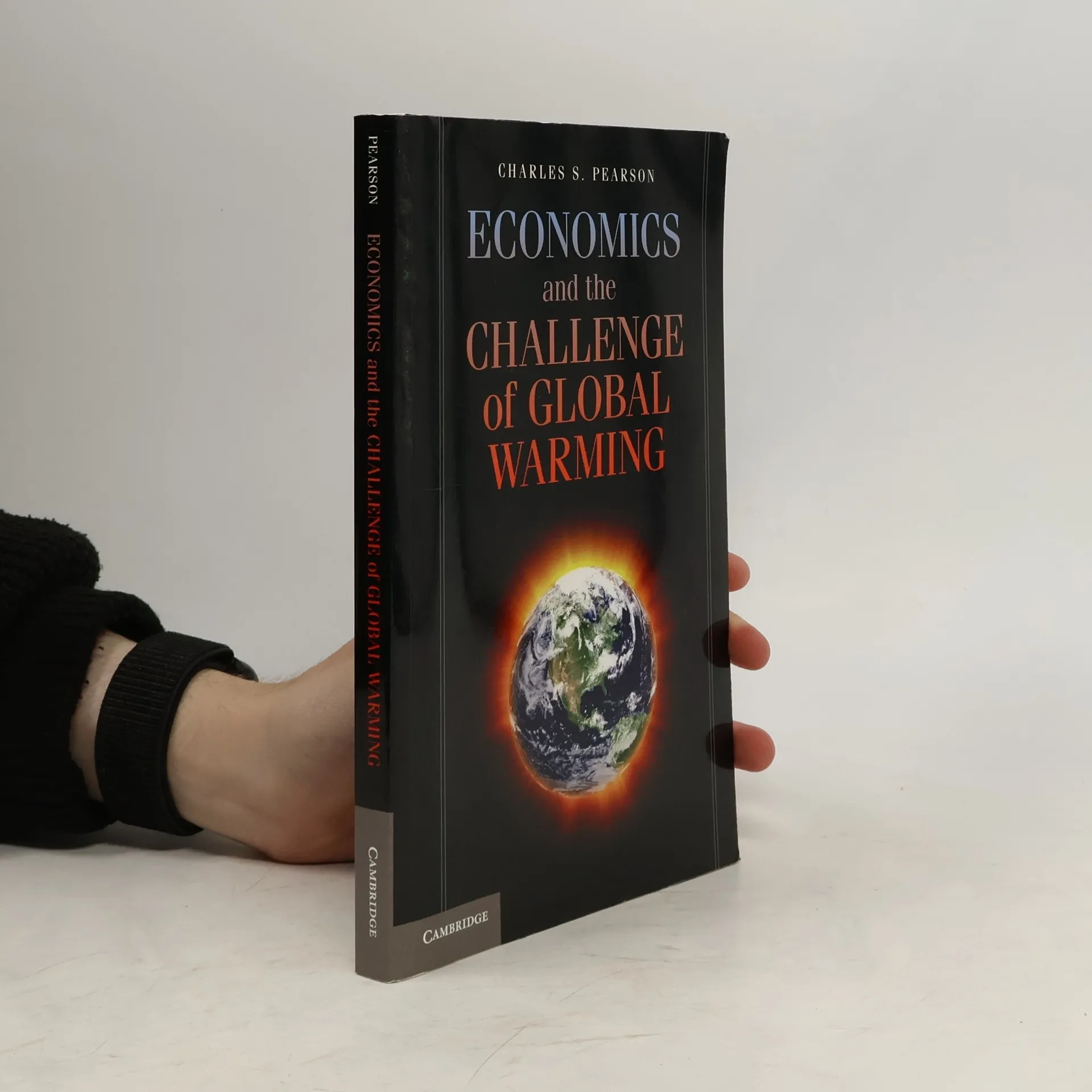
Economics and the Challenge of Global Warming is a balanced, rigorous, and comprehensive analysis of the role of economics in confronting global warming, the central environmental issue of the twenty-first century. It avoids a technical exposition in order to reach a wide audience and is up to date in its theoretical and empirical underpinnings. It is addressed to all who have some knowledge of economic concepts and a serious interest in how economics can (and cannot) help in crafting climate policy. The book is organized around three central questions. First, can benefit-cost analysis guide us in setting warming targets? Second, what strategies and policies are cost-effective? Third, and most difficult, can a global agreement be forged between rich and poor, North and South? While economic concepts are foremost in the analysis, they are placed within an accessible ethical and political matrix. The book serves as a primer for the post-Kyoto era.
Zakup książki
Economics and the Challenge of Global Warming, Charles S. Pearson
- Język

- Rok wydania
- 2011
- Oprawa
- (miękka)
Metody płatności
Brakuje nam tutaj Twojej recenzji.
- Tytuł
- Economics and the Challenge of Global Warming
- Język
- angielski
- Autorzy
- Charles S. Pearson
- Wydawca
- Cambridge University Press
- Rok wydania
- 2011
- Oprawa
- miękka
- ISBN10
- 1107649072
- ISBN13
- 9781107649071
- Seria
- Tagi
- Biznes, Tematy ekologiczne
- Ocena
- 4,5 z 5
- Opis
- Economics and the Challenge of Global Warming is a balanced, rigorous, and comprehensive analysis of the role of economics in confronting global warming, the central environmental issue of the twenty-first century. It avoids a technical exposition in order to reach a wide audience and is up to date in its theoretical and empirical underpinnings. It is addressed to all who have some knowledge of economic concepts and a serious interest in how economics can (and cannot) help in crafting climate policy. The book is organized around three central questions. First, can benefit-cost analysis guide us in setting warming targets? Second, what strategies and policies are cost-effective? Third, and most difficult, can a global agreement be forged between rich and poor, North and South? While economic concepts are foremost in the analysis, they are placed within an accessible ethical and political matrix. The book serves as a primer for the post-Kyoto era.