


Parametry
Więcej o książce
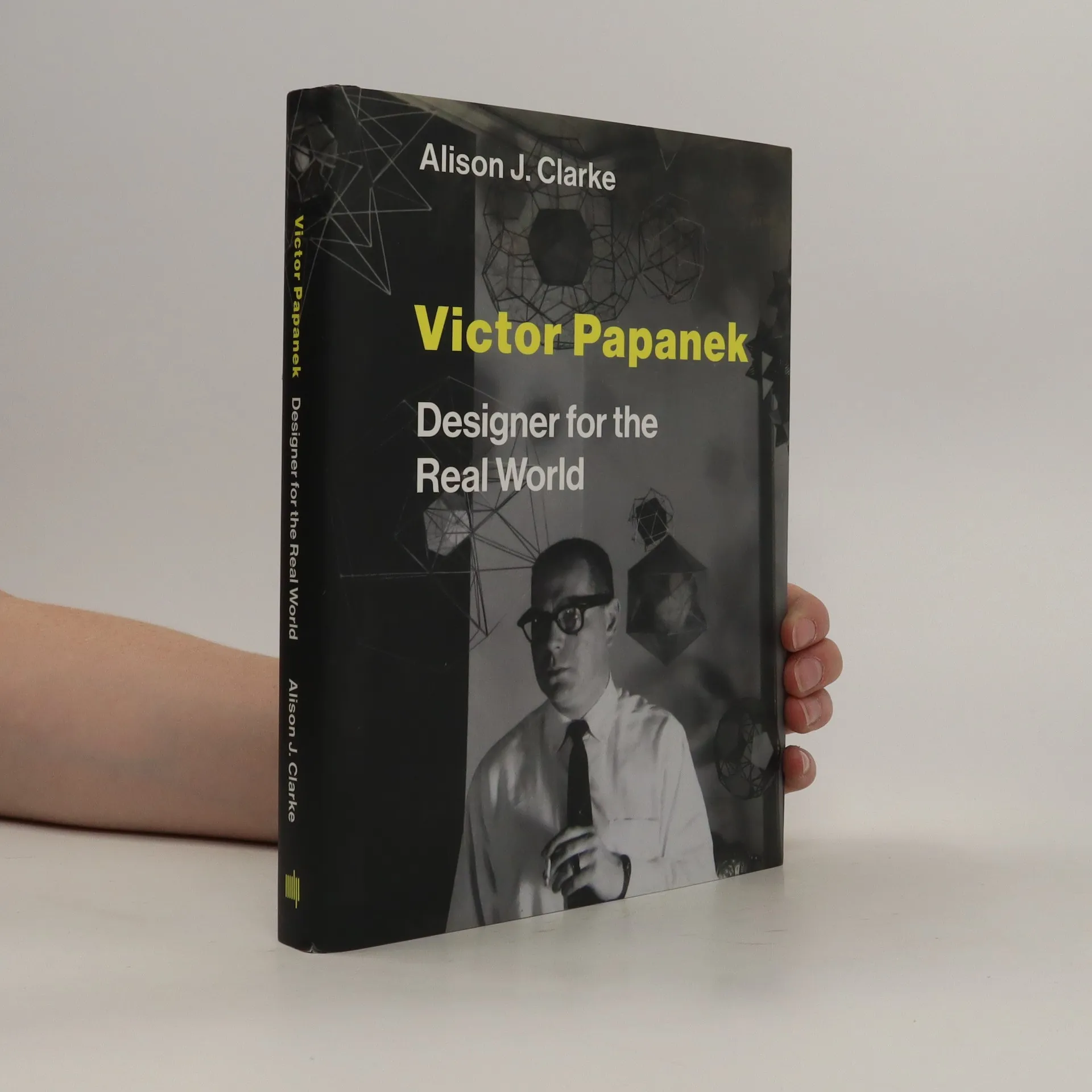
The history and controversial roots of the social design movement, explored through the life and work of its leading pioneer, Victor Papanek.In Victor Designer for the Real World , Alison Clarke explores the social design movement through the life of its leading pioneer, the Austrian American designer, theorist, and activist Victor Papanek. Papanek's 1971 best seller, Design for the Real Human Ecology and Social Change has been translated into twenty-two languages and never fallen out of print. Its politics of social design, anti-corporatism, and environmental sustainability have found renewed pertinence in the twenty-first century and dominate the agendas of design schools today. Drawing extensively on previously unexplored archival sources, Clarke uncovers and contextualizes the movement's controversial origins and contradictions.
Zakup książki
Victor Papanek: designer for the real world, Alison J. Clarke
- Język

- Rok wydania
- 2021
- Oprawa
- (twarda)
Metody płatności
Brakuje nam tutaj Twojej recenzji.
- Tytuł
- Victor Papanek: designer for the real world
- Język
- angielski
- Autorzy
- Alison J. Clarke
- Wydawca
- MIT Press
- Rok wydania
- 2021
- Oprawa
- twarda
- ISBN10
- 0262044943
- ISBN13
- 9780262044943
- Seria
- Tagi
- Ocena
- 3,5 z 5
- Opis
- The history and controversial roots of the social design movement, explored through the life and work of its leading pioneer, Victor Papanek.In Victor Designer for the Real World , Alison Clarke explores the social design movement through the life of its leading pioneer, the Austrian American designer, theorist, and activist Victor Papanek. Papanek's 1971 best seller, Design for the Real Human Ecology and Social Change has been translated into twenty-two languages and never fallen out of print. Its politics of social design, anti-corporatism, and environmental sustainability have found renewed pertinence in the twenty-first century and dominate the agendas of design schools today. Drawing extensively on previously unexplored archival sources, Clarke uncovers and contextualizes the movement's controversial origins and contradictions.