

Parametry
Więcej o książce
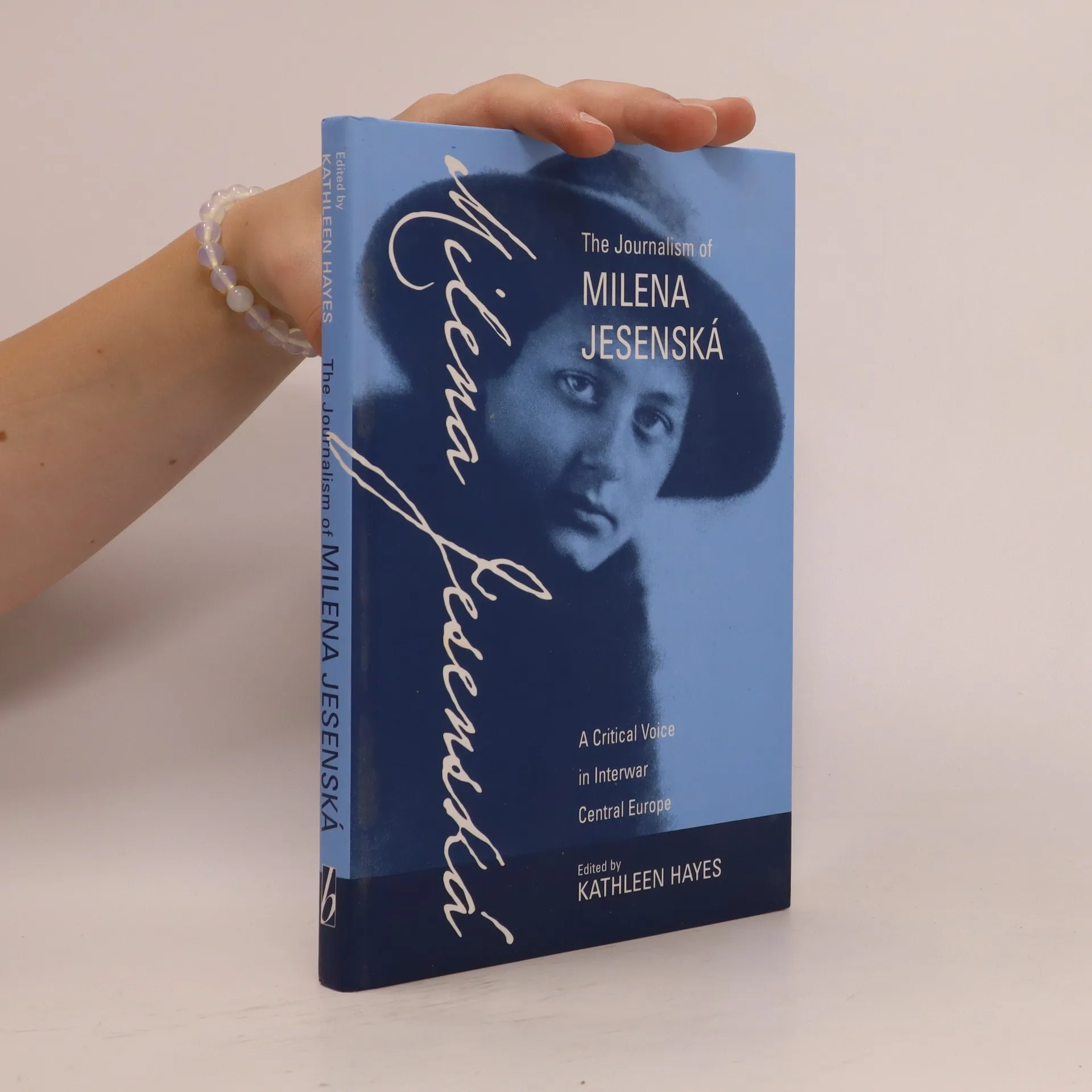
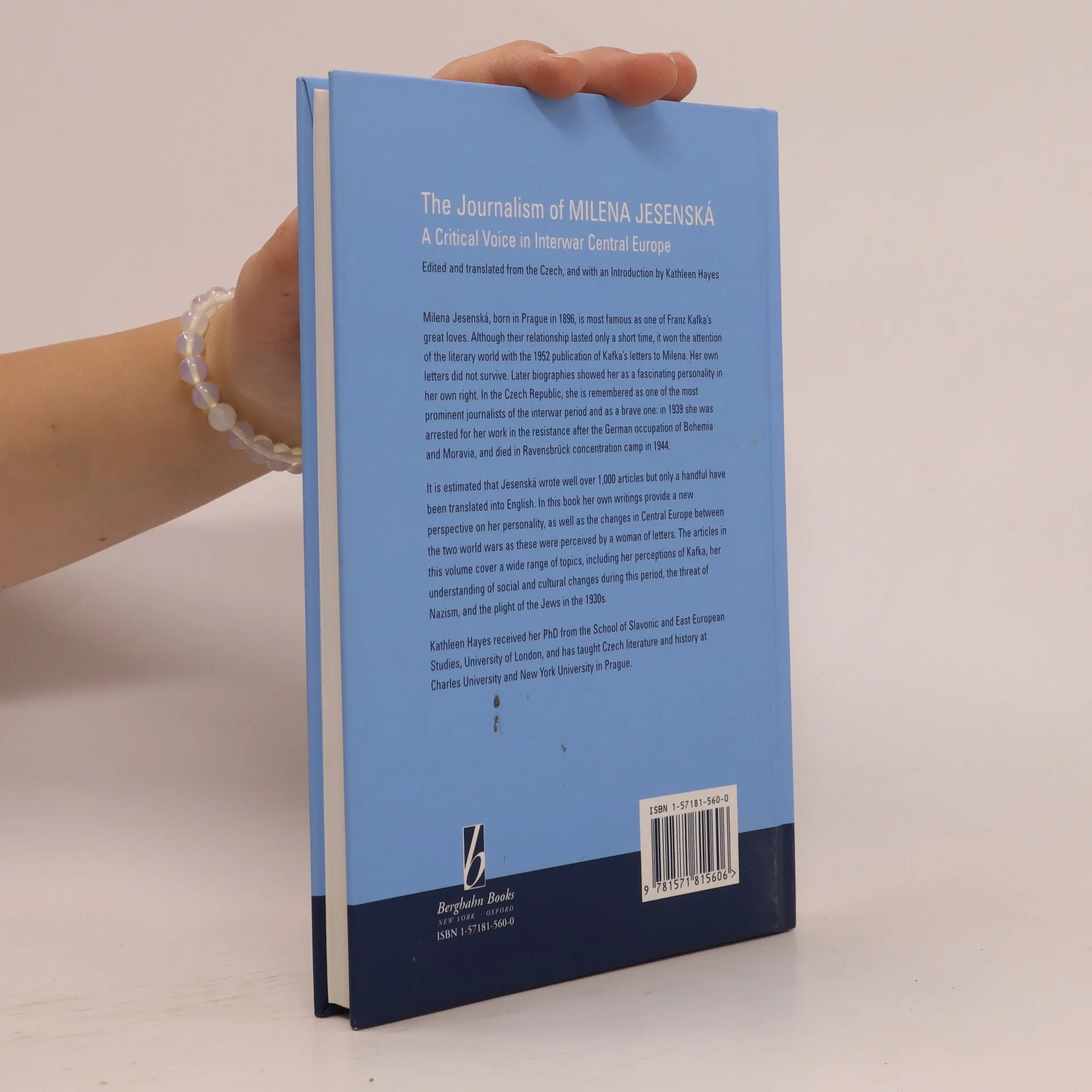
Milena Jesenská, born in Prague in 1896, is most famous as one of Franz Kafka's great loves. Although their relationship lasted only a short time, it won the attention of the literary world with the 1952 publication of Kafka's letters to Milena. Her own letters did not survive. Later biographies showed her as a fascinating personality in her own right. In the Czech Republic, she is remembered as one of the most prominent journalists of the interwar period and as a brave one: in 1939 she was arrested for her work in the resistance after the German occupation of Bohemia and Moravia, and died in Ravensbrück concentration camp in 1944.It is estimated that Jesenská wrote well over 1,000 articles but only a handful have been translated into English. In this book her own writings provide a new perspective on her personality, as well as the changes in Central Europe between the two world wars as these were perceived by a woman of letters. The articles in this volume cover a wide range of topics, including her perceptions of Kafka, her understanding of social and cultural changes during this period, the threat of Nazism, and the plight of the Jews in the 1930s.
Zakup książki
The journalism of Milena Jesenská : a critical voice in interwar Central Europe, Kathleen Hayes
- Język

- Rok wydania
- 2003
- Oprawa
- (twarda)
Metody płatności
Brakuje nam tutaj Twojej recenzji.
- Tytuł
- The journalism of Milena Jesenská : a critical voice in interwar Central Europe
- Język
- angielski
- Autorzy
- Kathleen Hayes
- Wydawca
- Berghahn Books
- Rok wydania
- 2003
- Oprawa
- twarda
- ISBN10
- 1571815600
- ISBN13
- 9781571815606
- Seria
- Kategorie
- Tagi
- Ocena
- 4,65 z 5
- Opis
- Milena Jesenská, born in Prague in 1896, is most famous as one of Franz Kafka's great loves. Although their relationship lasted only a short time, it won the attention of the literary world with the 1952 publication of Kafka's letters to Milena. Her own letters did not survive. Later biographies showed her as a fascinating personality in her own right. In the Czech Republic, she is remembered as one of the most prominent journalists of the interwar period and as a brave one: in 1939 she was arrested for her work in the resistance after the German occupation of Bohemia and Moravia, and died in Ravensbrück concentration camp in 1944.It is estimated that Jesenská wrote well over 1,000 articles but only a handful have been translated into English. In this book her own writings provide a new perspective on her personality, as well as the changes in Central Europe between the two world wars as these were perceived by a woman of letters. The articles in this volume cover a wide range of topics, including her perceptions of Kafka, her understanding of social and cultural changes during this period, the threat of Nazism, and the plight of the Jews in the 1930s.