

Parametry
Więcej o książce
In this new book Henrietta Moore examines the limitations of the theoretical languages used by anthropologists and others to write about sex, gender, and sexuality. Moore begins by discussing recent feminist debates on the body and the notion of the non-universal human subject. She then considers why anthropologists have contributed relatively little to these debates, suggesting that this reflects the history of anthropology's conceptualization of ""persons"" or ""selves"" cross-culturally. The author also pursues a series of related themes, including the links between gender, identity, and violence; the construction of domestic space and its relationship to bodily practices and the internalization of relations of difference; and the links between the gender of the anthropologist and the writing of anthropology. By developing a specific anthropological approach to feminist post-structuralist and psychoanalytic theory, Moore demonstrates anthropology's contribution to current debates in feminist theory.
Zakup książki
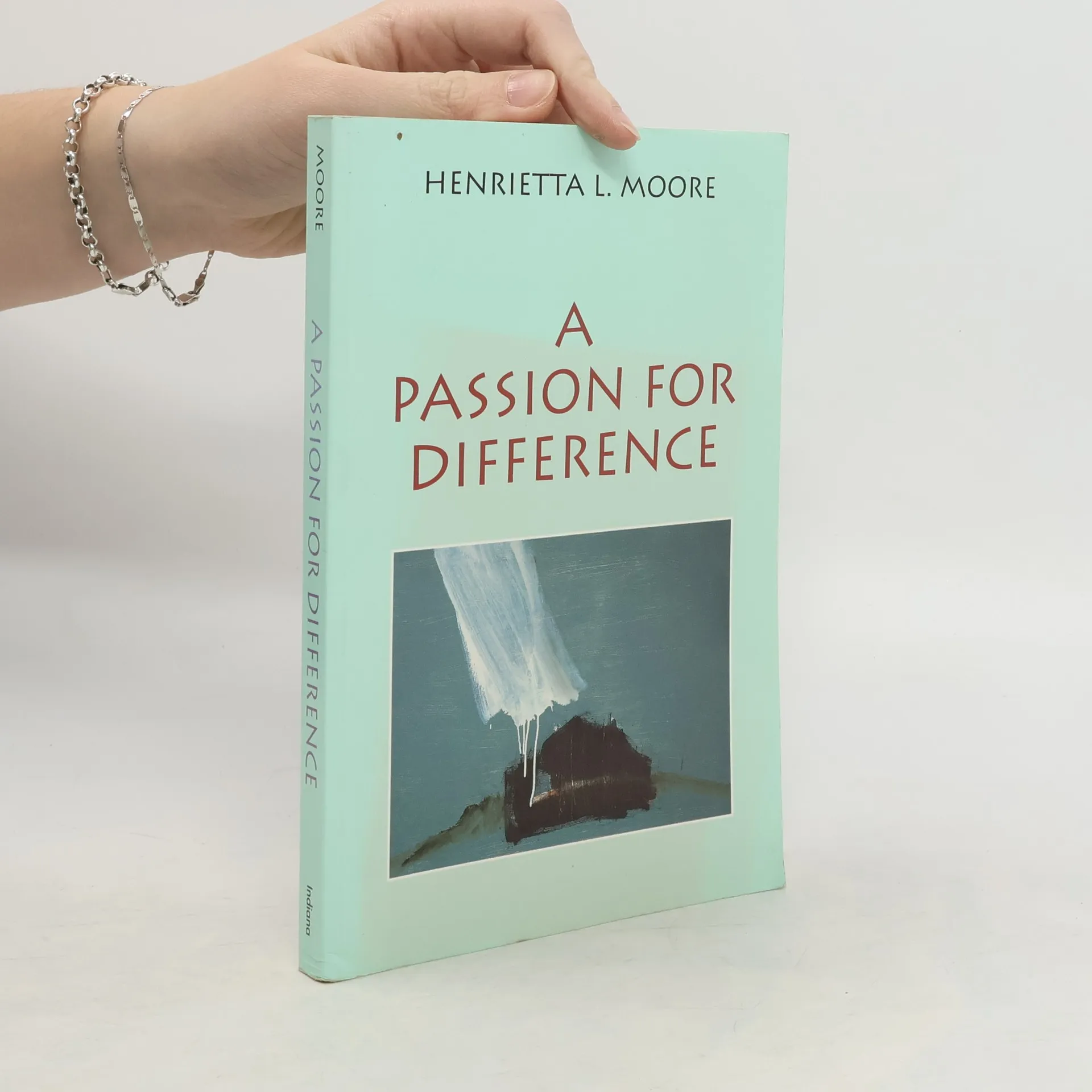
A Passion for Difference, Henrietta L. Moore
- Język

- Rok wydania
- 1994
- Oprawa
- (miękka)
Metody płatności
Brakuje nam tutaj Twojej recenzji.
- Tytuł
- A Passion for Difference
- Język
- angielski
- Autorzy
- Henrietta L. Moore
- Wydawca
- Indiana University Press
- Rok wydania
- 1994
- Oprawa
- miękka
- ISBN10
- 025320951X
- ISBN13
- 9780253209511
- Seria
- Tagi
- Ocena
- 4,1 z 5
- Opis
- In this new book Henrietta Moore examines the limitations of the theoretical languages used by anthropologists and others to write about sex, gender, and sexuality. Moore begins by discussing recent feminist debates on the body and the notion of the non-universal human subject. She then considers why anthropologists have contributed relatively little to these debates, suggesting that this reflects the history of anthropology's conceptualization of ""persons"" or ""selves"" cross-culturally. The author also pursues a series of related themes, including the links between gender, identity, and violence; the construction of domestic space and its relationship to bodily practices and the internalization of relations of difference; and the links between the gender of the anthropologist and the writing of anthropology. By developing a specific anthropological approach to feminist post-structuralist and psychoanalytic theory, Moore demonstrates anthropology's contribution to current debates in feminist theory.