

Więcej o książce
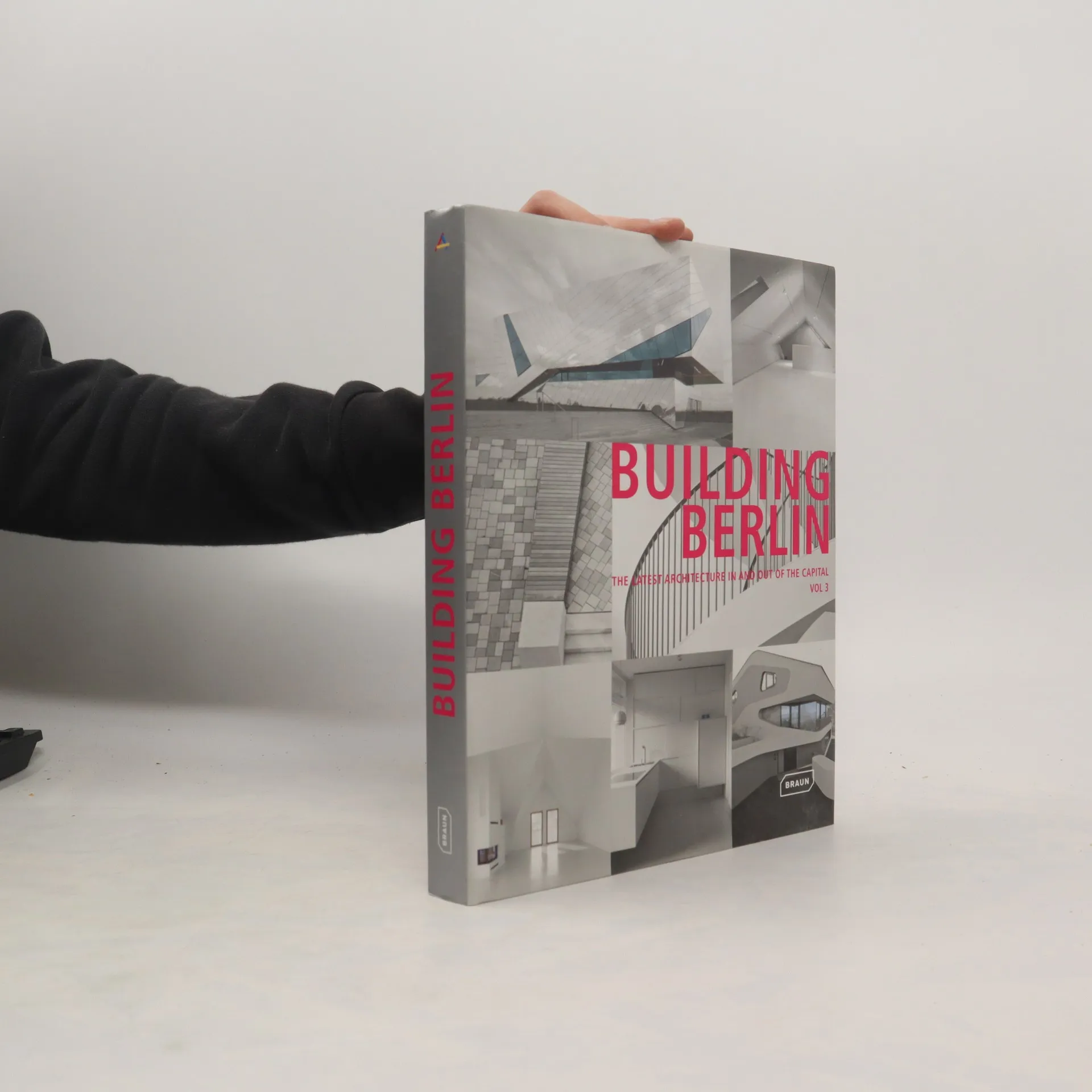
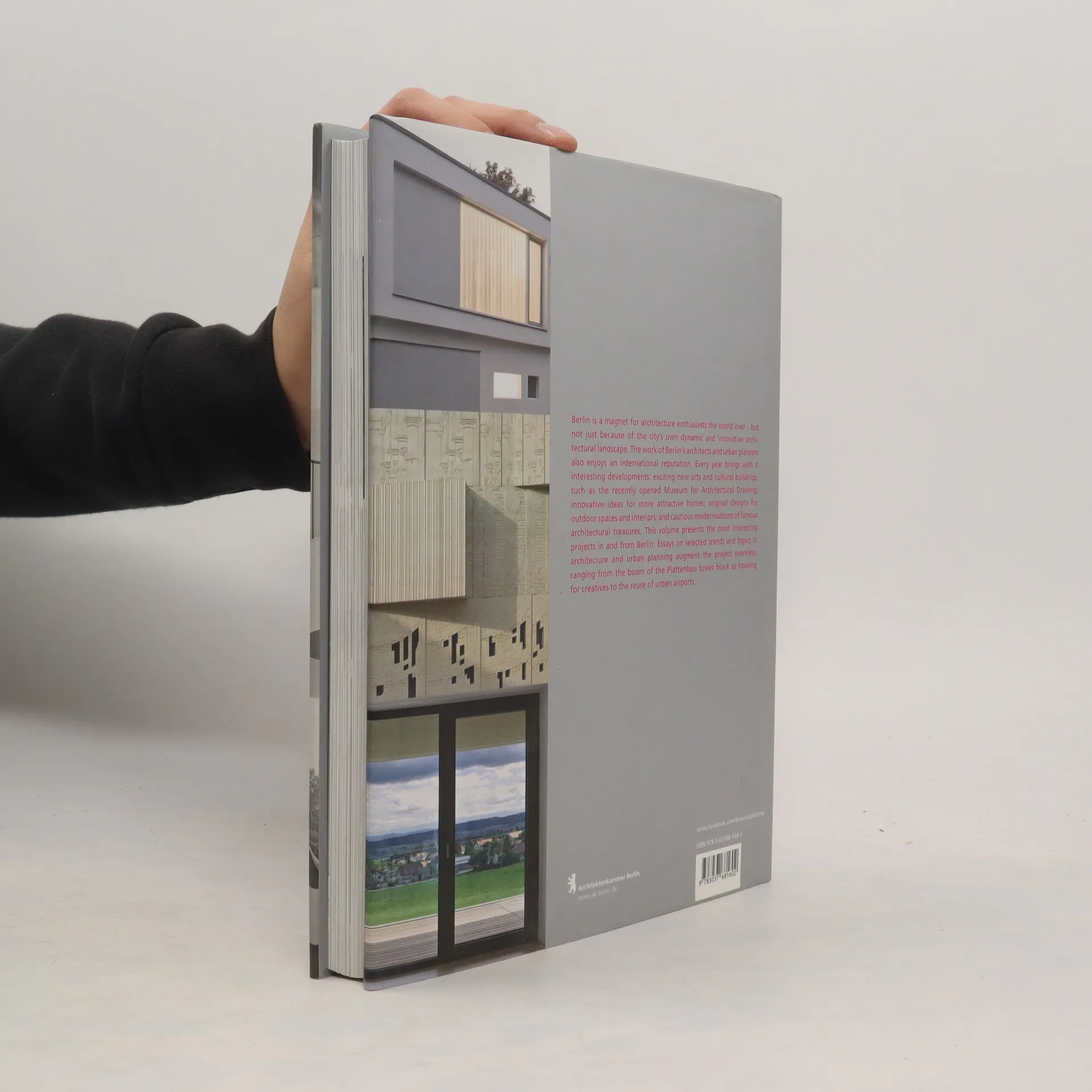
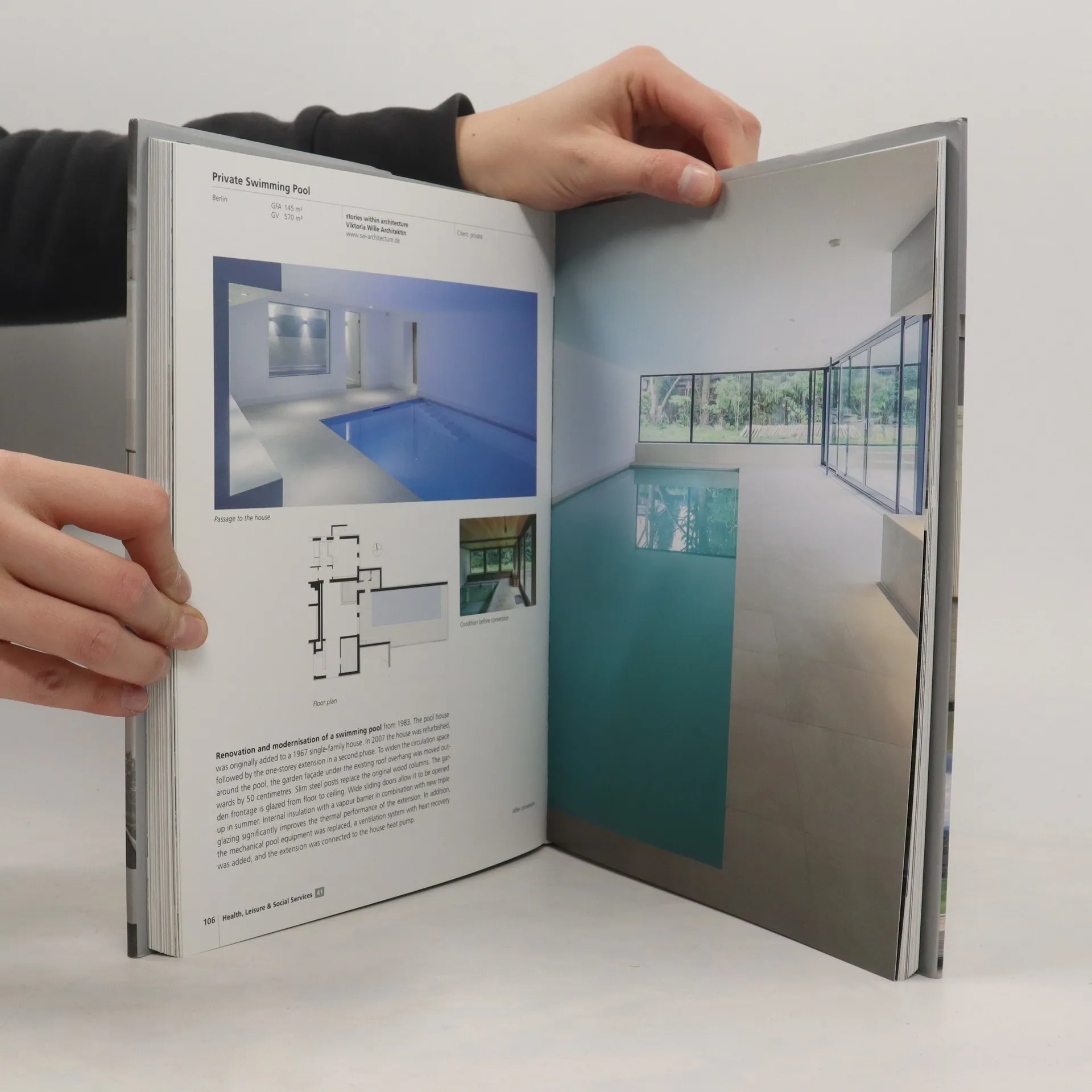
The German capital is characterized by a lively, heterogeneous and innovative architectural scene with high technical and design standards. "Building Berlin" serves as a showcase of Berlin’s architectural output. Each of the eight categories that structure the book features essays on current issues – trends and developments that provide reflective insights to the summaries that accompany the exemplary collection of around 70 projects. The chapter on residential architecture, for example, discusses the interest of creative urban clients in the highrise apartment buildings of the 1960s and 1970s that were frowned upon for a long time. Another essay focuses on the different aspects of corporate architecture as “constructed logos”. Other topics include the importance of archeological display areas for urban planning, new chances for architecture through privately sponsored museums, and current trends in student dormitory buildings.
Zakup książki
Building Berlin, Architektenkammer Berlin
- Język

- Rok wydania
- 2014
- Oprawa
- (twarda)
Metody płatności
Nikt jeszcze nie ocenił.
- Tytuł
- Building Berlin
- Język
- angielski
- Autorzy
- Architektenkammer Berlin
- Wydawca
- Braun
- Rok wydania
- 2014
- Oprawa
- twarda
- Liczba stron
- 183
- ISBN10
- 3037681608
- ISBN13
- 9783037681602
- Seria
- Tagi
- Architektura
- Opis
- The German capital is characterized by a lively, heterogeneous and innovative architectural scene with high technical and design standards. "Building Berlin" serves as a showcase of Berlin’s architectural output. Each of the eight categories that structure the book features essays on current issues – trends and developments that provide reflective insights to the summaries that accompany the exemplary collection of around 70 projects. The chapter on residential architecture, for example, discusses the interest of creative urban clients in the highrise apartment buildings of the 1960s and 1970s that were frowned upon for a long time. Another essay focuses on the different aspects of corporate architecture as “constructed logos”. Other topics include the importance of archeological display areas for urban planning, new chances for architecture through privately sponsored museums, and current trends in student dormitory buildings.