

Więcej o książce
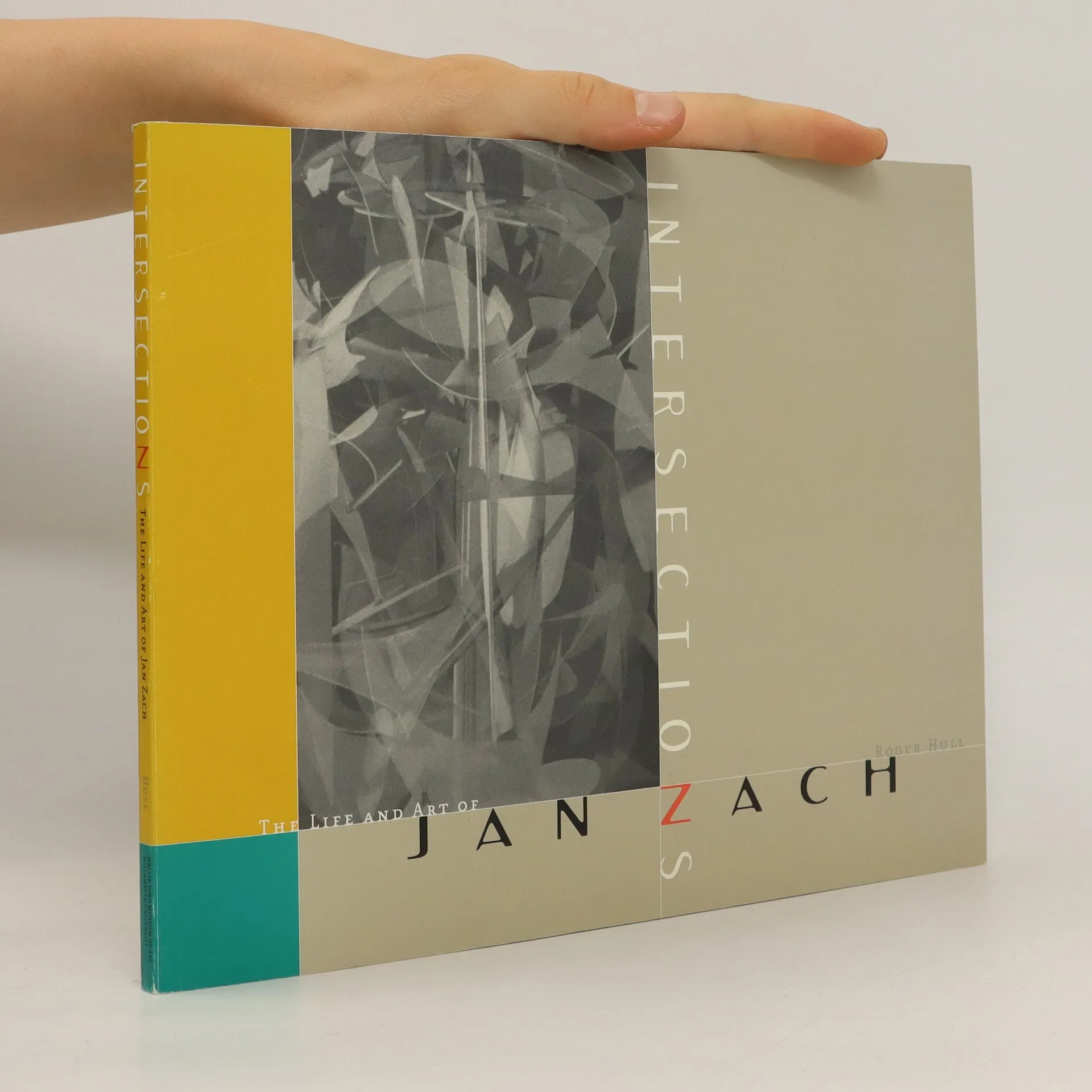
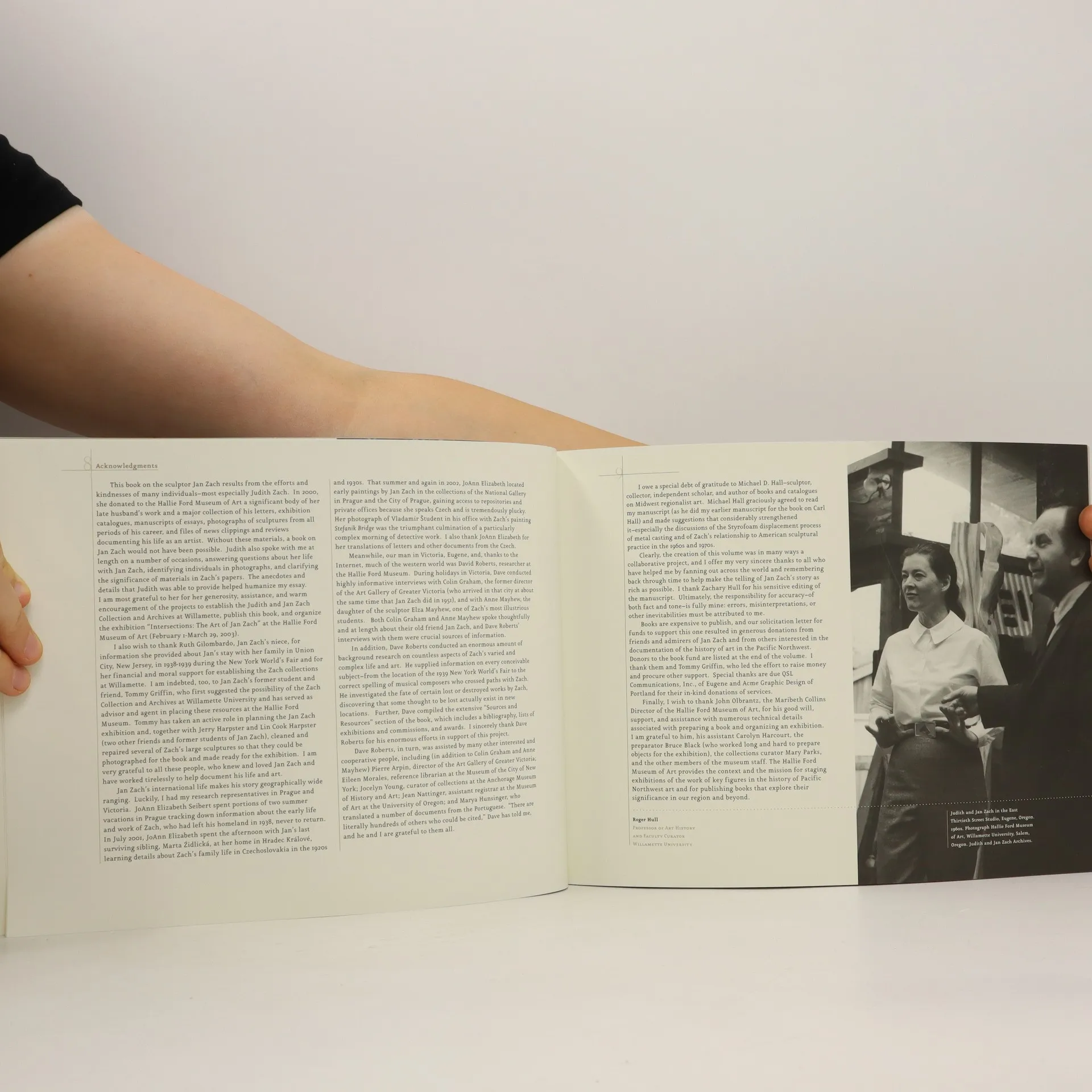
Born in Czechoslovakia, Jan Zach (1914-1986) trained as an artist in Prague, traveled to New York in 1938 to help prepare the Czech pavilion for the New York World's Fair, and never returned home because of the Nazi invasion and later Communist takeover. He settled permanently in Eugene in 1958 when he became a professor of sculpture at the University of Oregon.In his intersection with Oregon, Zach brought an international perspective on culture, art, and politics that was unusual among artists of the Pacific Northwest. His importance is based partly on his grafting of European modernism with Northwest regionalism - an intersection that resulted in a wide variety of sculpture, from rough hewn beach logs to stainless steel kinetic constructions. The diversity of his production is unified by the elements that most fascinated him: light, movement, and time, and by his relentless call for human freedom and resistance to oppression.This book explores Zach's place in European and New World art of the mid-twentieth century, interweaving an account of Zach's colorful life with an assessment of his artwork - from his early paintings and commercial illustrations to his mature work as a major Northwest sculptor.Roger Hull is professor of art history at Willamette University, in Salem, Oregon.
Zakup książki
Intersections : The Life and Art of Jan Zach, Roger Hull
- Język

- Rok wydania
- 2003
- Oprawa
- (miękka)
Metody płatności
Nikt jeszcze nie ocenił.
- Tytuł
- Intersections : The Life and Art of Jan Zach
- Język
- angielski
- Autorzy
- Roger Hull
- Rok wydania
- 2003
- Oprawa
- miękka
- Liczba stron
- 96
- ISBN10
- 0295983191
- ISBN13
- 9780295983196
- Seria
- Tagi
- Sztuki piękne
- Opis
- Born in Czechoslovakia, Jan Zach (1914-1986) trained as an artist in Prague, traveled to New York in 1938 to help prepare the Czech pavilion for the New York World's Fair, and never returned home because of the Nazi invasion and later Communist takeover. He settled permanently in Eugene in 1958 when he became a professor of sculpture at the University of Oregon.In his intersection with Oregon, Zach brought an international perspective on culture, art, and politics that was unusual among artists of the Pacific Northwest. His importance is based partly on his grafting of European modernism with Northwest regionalism - an intersection that resulted in a wide variety of sculpture, from rough hewn beach logs to stainless steel kinetic constructions. The diversity of his production is unified by the elements that most fascinated him: light, movement, and time, and by his relentless call for human freedom and resistance to oppression.This book explores Zach's place in European and New World art of the mid-twentieth century, interweaving an account of Zach's colorful life with an assessment of his artwork - from his early paintings and commercial illustrations to his mature work as a major Northwest sculptor.Roger Hull is professor of art history at Willamette University, in Salem, Oregon.