

Więcej o książce
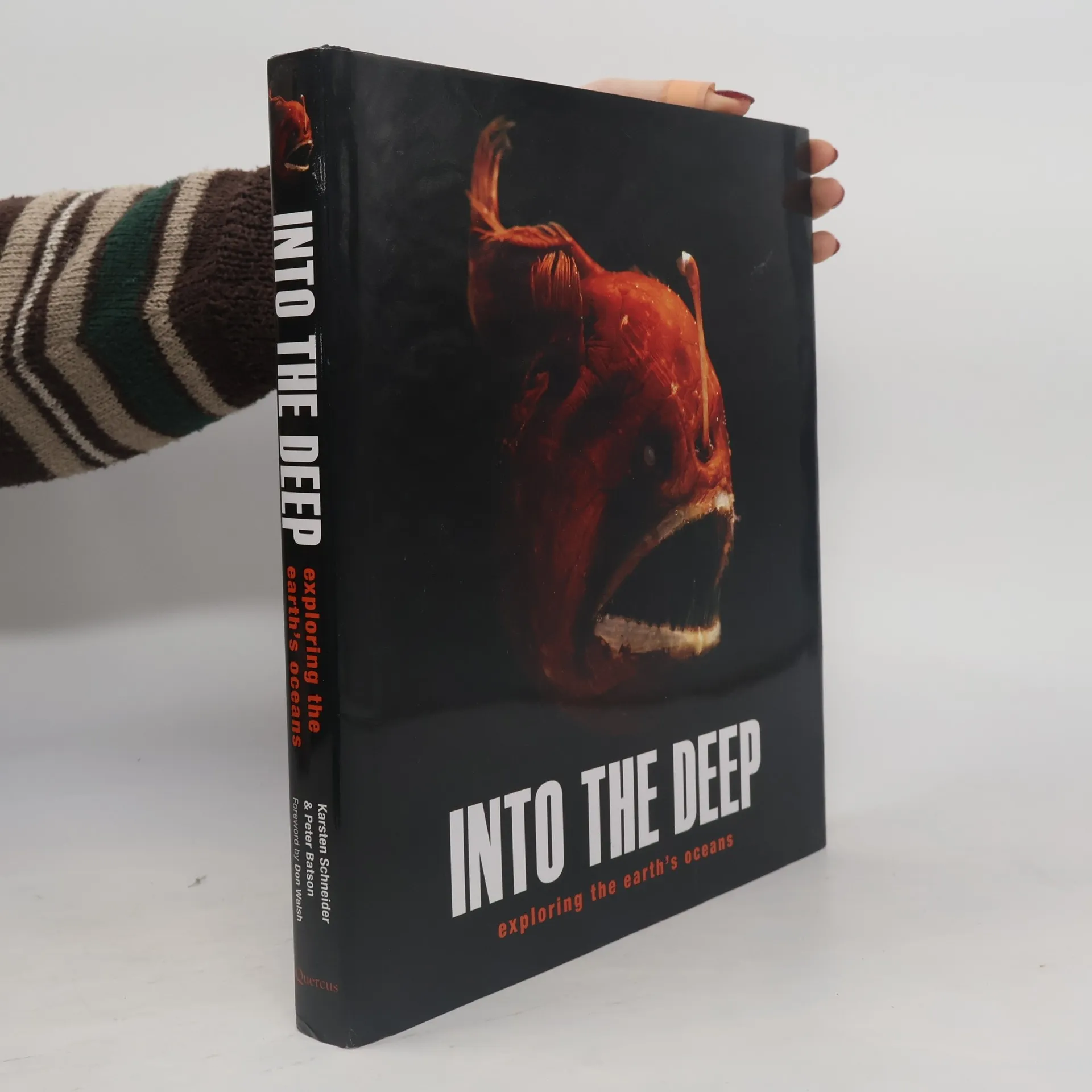
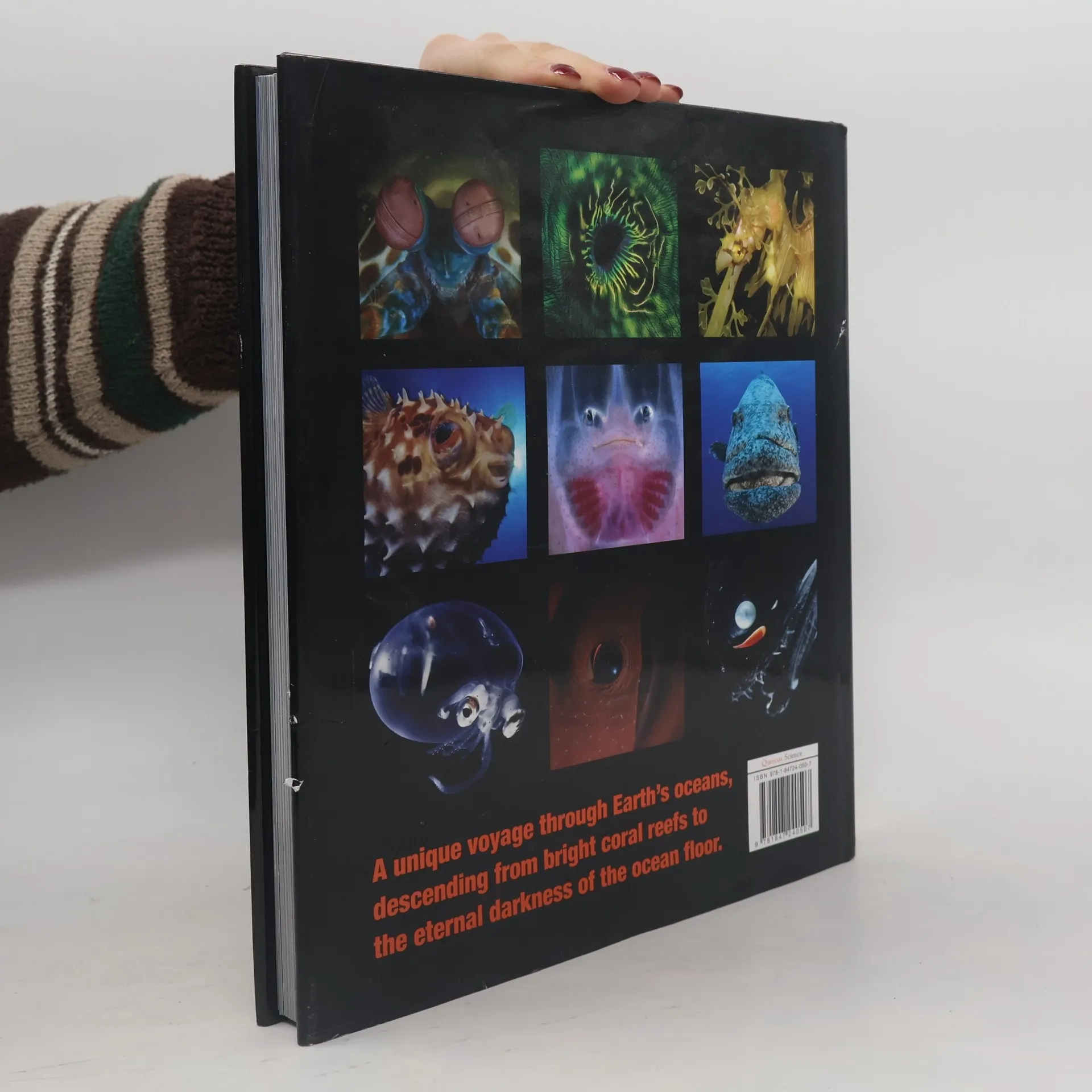
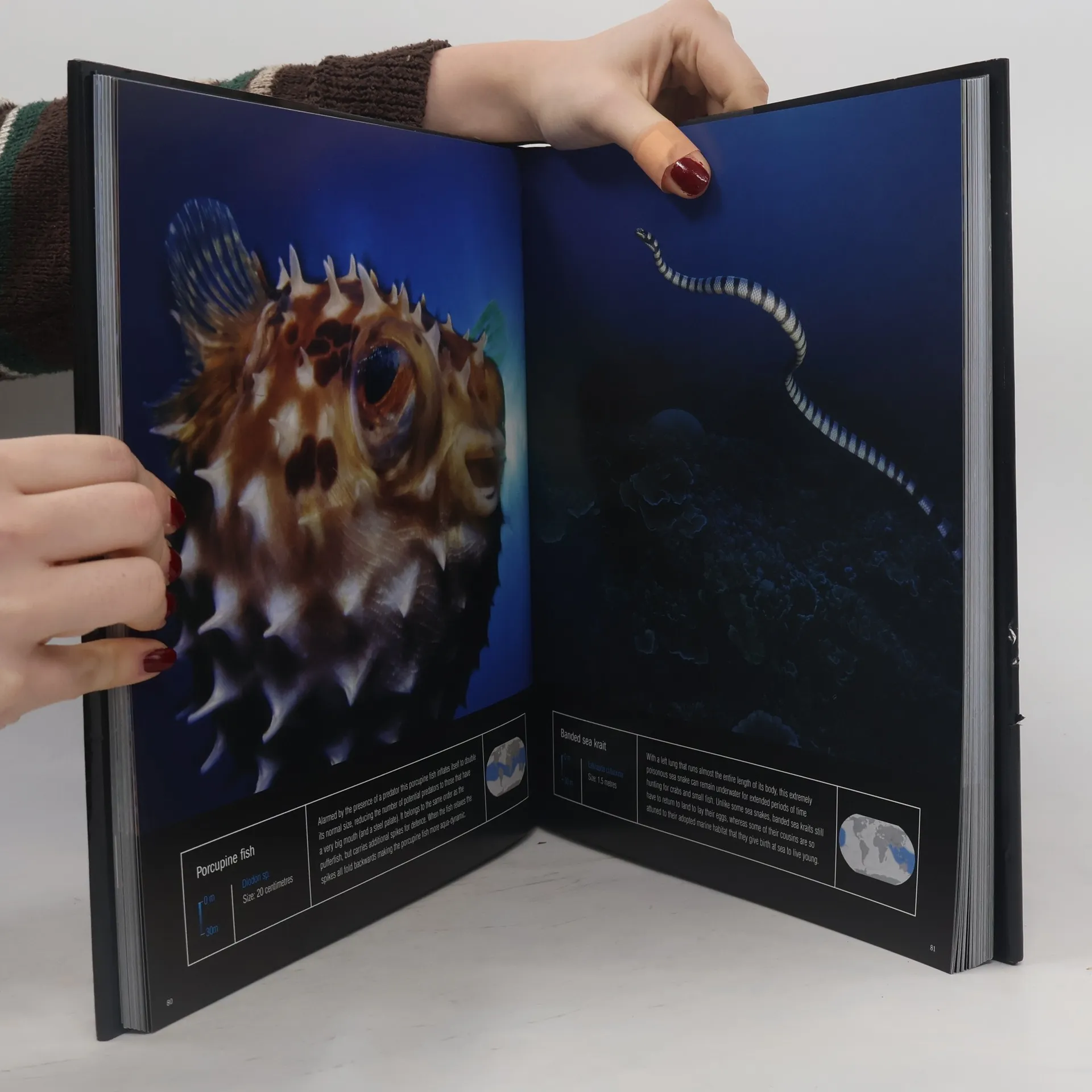
How inappropriate it was to name our planet Earth, when quite clearly we should have called it Ocean. 1.36 billion cubic kilometres of water (326 million cubic miles) weighing over a million trillion tons covers more than 70 percent of our planet's surface. Strip Earth of its topography, and an uninterrupted ocean would submerge the planet under 2,500 metres (8,200 feet) of water. Earth's five oceans are one of the wonders of the solar system: they cover the Mid-Atlantic Ridge, our planet's most extensive mountain range; host the Great Barrier Reef - the largest structure built by living organisms; and provide the habitat for Earth's most extreme lifeforms - the denizens of the deep, nightmarish apparitions bristling with fangs and fluorescence. Yet despite its proximity and riches, in many ways we know more about the surface of Mars than we know about the deep ocean. From warm equatorial seas to ice-bound polar oceans, Into the Deep charts our exploration of Earth's final frontier and its inhabitants as it descends from bright coral reefs to the eternal, cold darkness of the abyss. It is a voyage that will astonish the reader - just as the latest deep sea discoveries regularly confound scientists - as they meet the Giant Squid's bigger brother, the Colossal Squid, and encounter the utterly alien environment that surrounds 'black smokers' - hydrothermal rifts in the Earth's crust.
Zakup książki
Into the Deep, Karsten Schneider, Peter Batson
- Język

- Rok wydania
- 2008
- Oprawa
- (twarda)
Metody płatności
Brakuje nam tutaj Twojej recenzji.
- Tytuł
- Into the Deep
- Język
- angielski
- Autorzy
- Karsten Schneider, Peter Batson
- Wydawca
- Quercus
- Rok wydania
- 2008
- Oprawa
- twarda
- Liczba stron
- 224
- ISBN10
- 184724050x
- ISBN13
- 9781847240507
- Seria
- Kategorie
- Tagi
- Przyroda
- Ocena
- 5 z 5
- Opis
- How inappropriate it was to name our planet Earth, when quite clearly we should have called it Ocean. 1.36 billion cubic kilometres of water (326 million cubic miles) weighing over a million trillion tons covers more than 70 percent of our planet's surface. Strip Earth of its topography, and an uninterrupted ocean would submerge the planet under 2,500 metres (8,200 feet) of water. Earth's five oceans are one of the wonders of the solar system: they cover the Mid-Atlantic Ridge, our planet's most extensive mountain range; host the Great Barrier Reef - the largest structure built by living organisms; and provide the habitat for Earth's most extreme lifeforms - the denizens of the deep, nightmarish apparitions bristling with fangs and fluorescence. Yet despite its proximity and riches, in many ways we know more about the surface of Mars than we know about the deep ocean. From warm equatorial seas to ice-bound polar oceans, Into the Deep charts our exploration of Earth's final frontier and its inhabitants as it descends from bright coral reefs to the eternal, cold darkness of the abyss. It is a voyage that will astonish the reader - just as the latest deep sea discoveries regularly confound scientists - as they meet the Giant Squid's bigger brother, the Colossal Squid, and encounter the utterly alien environment that surrounds 'black smokers' - hydrothermal rifts in the Earth's crust.