

Więcej o książce
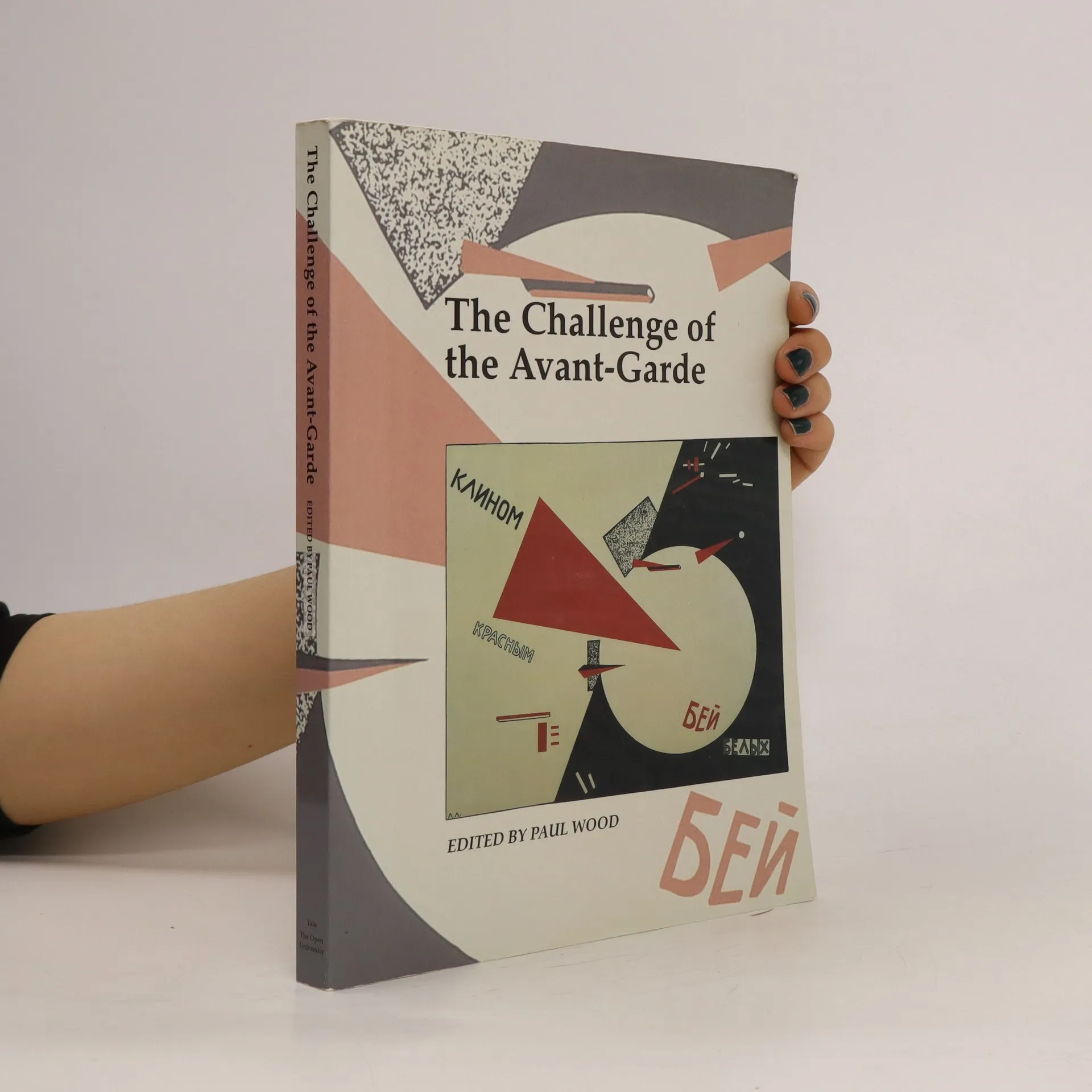
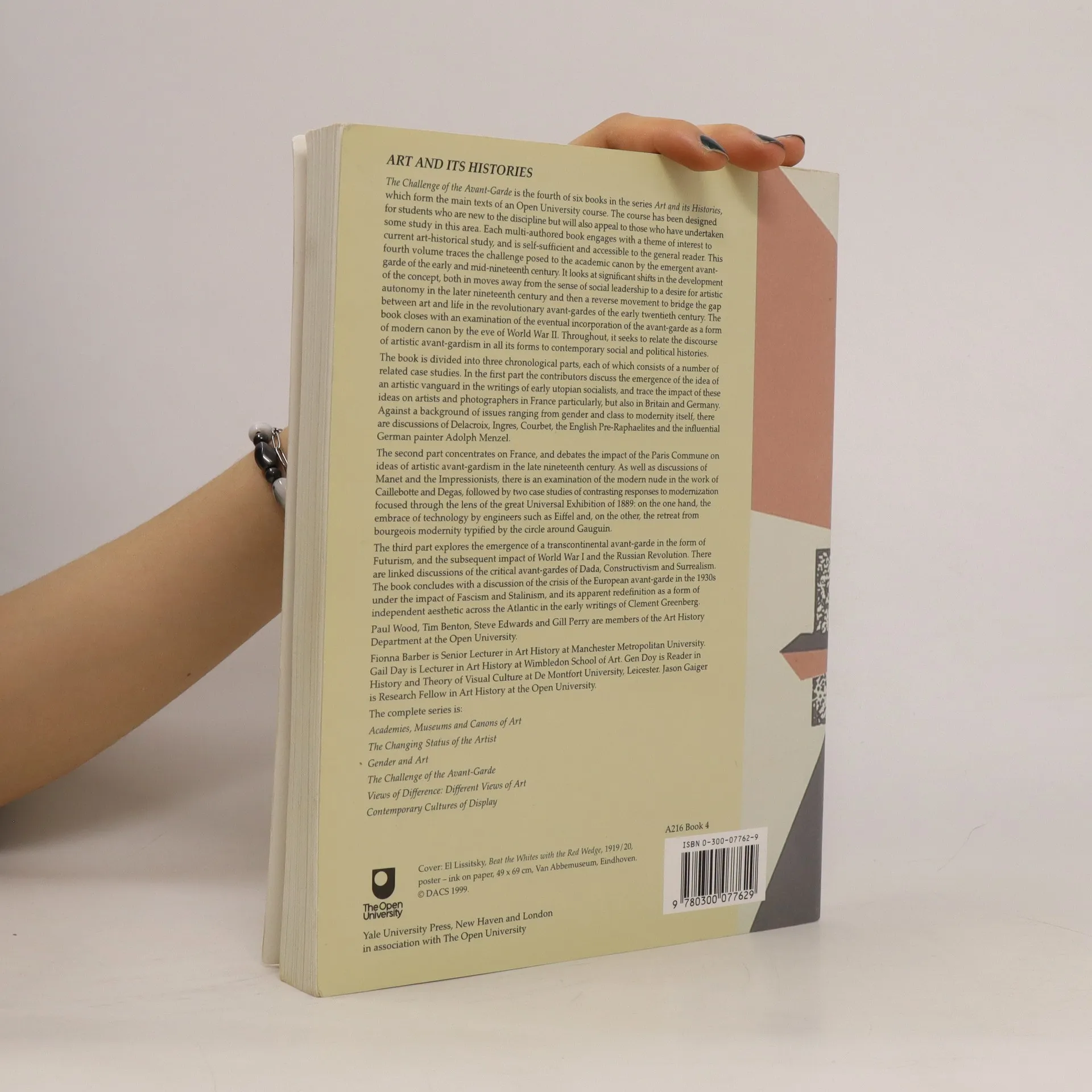
The Challenge of the Avant-Garde is the fourth of six books in the series Art and its Histories, which form the main texts of an Open University course. The course has been designed for students who are new to the discipline but will also appeal to those who have undertaken some study in this area. This volume traces the challenge posed to the academic canon by the emergent avant-garde of the early and mid-nineteenth century.It looks at significant shifts in the development of the concept, both in moves away from the sense of social leadership to a desire for artistic autonomy in the later nineteenth century and then a reverse movement to bridge the gap between art and life in the revolutionary avant-gardes of the early twentieth century. The book closes with an examination of the eventual incorporation of the avant-garde as a form of modern canon by the eve of World War II. Throughout, it seeks to relate the discourse of artistic avant-gardism in all its forms to contemporary social and political histories.
Zakup książki
The Challenge of the Avant-garde, Paul Wood
- Język

- Rok wydania
- 1999
- Oprawa
- (miękka)
Metody płatności
Brakuje nam tutaj Twojej recenzji.
- Tytuł
- The Challenge of the Avant-garde
- Język
- angielski
- Autorzy
- Paul Wood
- Wydawca
- Yale University Press
- Rok wydania
- 1999
- Oprawa
- miękka
- ISBN10
- 0300077629
- ISBN13
- 9780300077629
- Seria
- Tagi
- Historia sztuki
- Ocena
- 3,8 z 5
- Opis
- The Challenge of the Avant-Garde is the fourth of six books in the series Art and its Histories, which form the main texts of an Open University course. The course has been designed for students who are new to the discipline but will also appeal to those who have undertaken some study in this area. This volume traces the challenge posed to the academic canon by the emergent avant-garde of the early and mid-nineteenth century.It looks at significant shifts in the development of the concept, both in moves away from the sense of social leadership to a desire for artistic autonomy in the later nineteenth century and then a reverse movement to bridge the gap between art and life in the revolutionary avant-gardes of the early twentieth century. The book closes with an examination of the eventual incorporation of the avant-garde as a form of modern canon by the eve of World War II. Throughout, it seeks to relate the discourse of artistic avant-gardism in all its forms to contemporary social and political histories.