

Więcej o książce
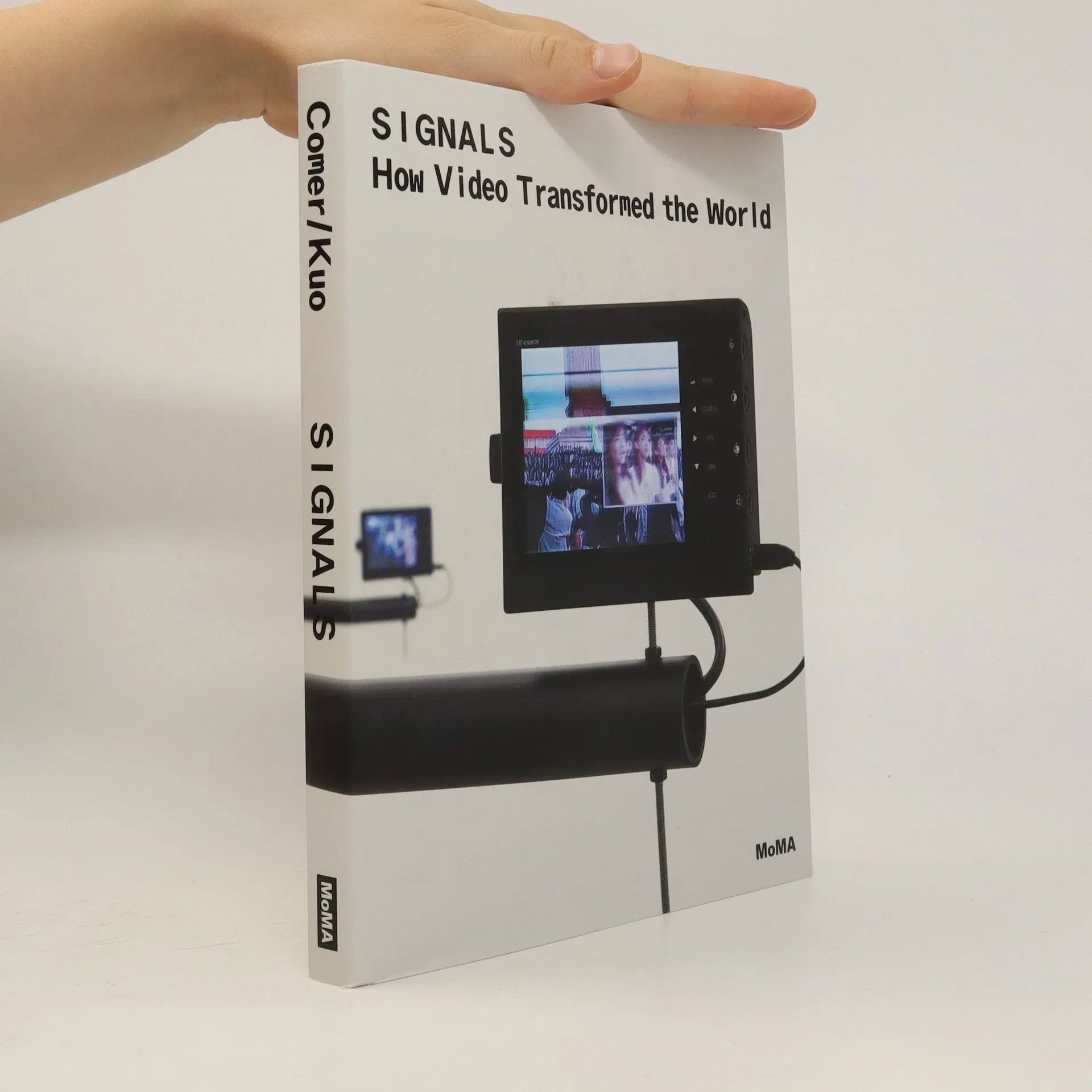
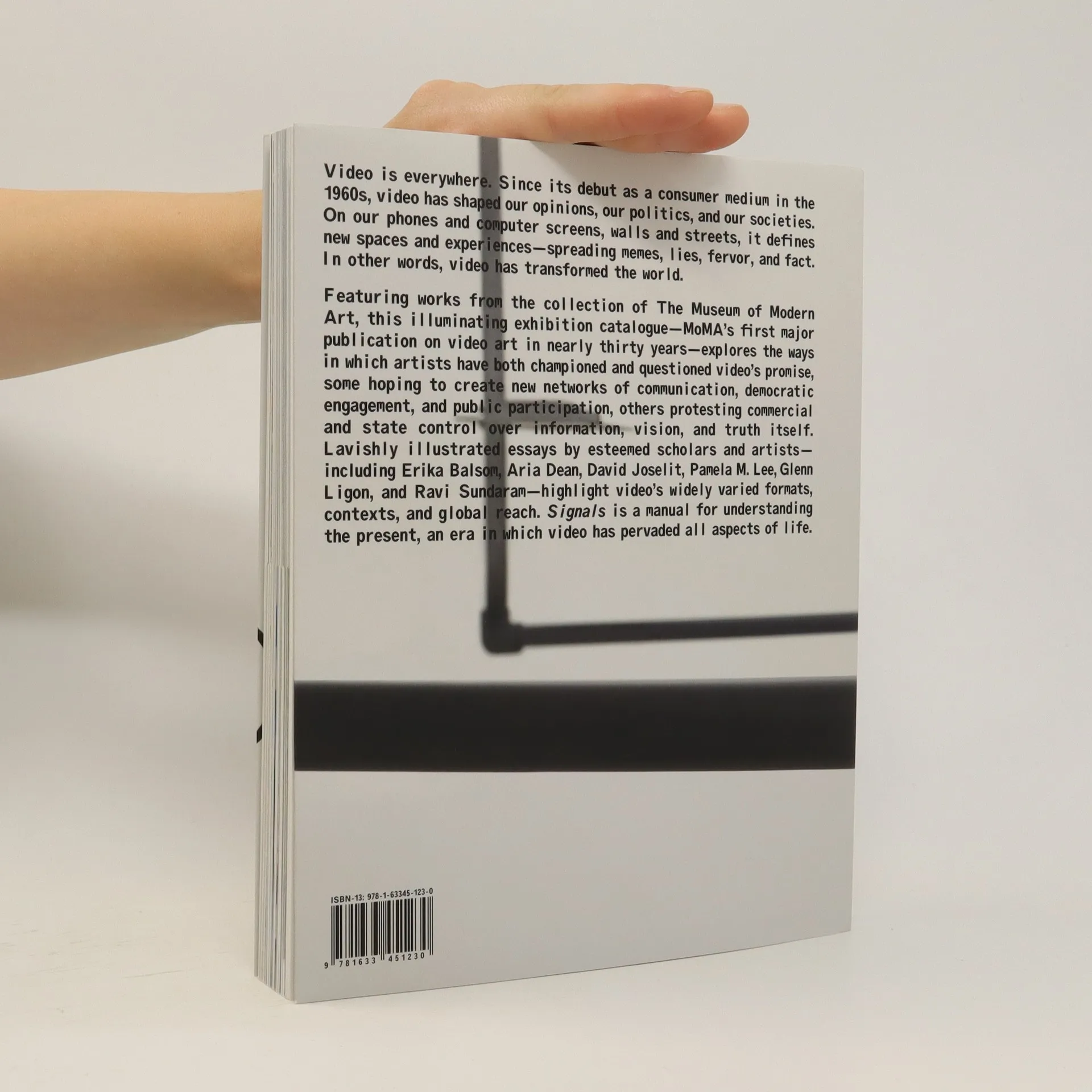
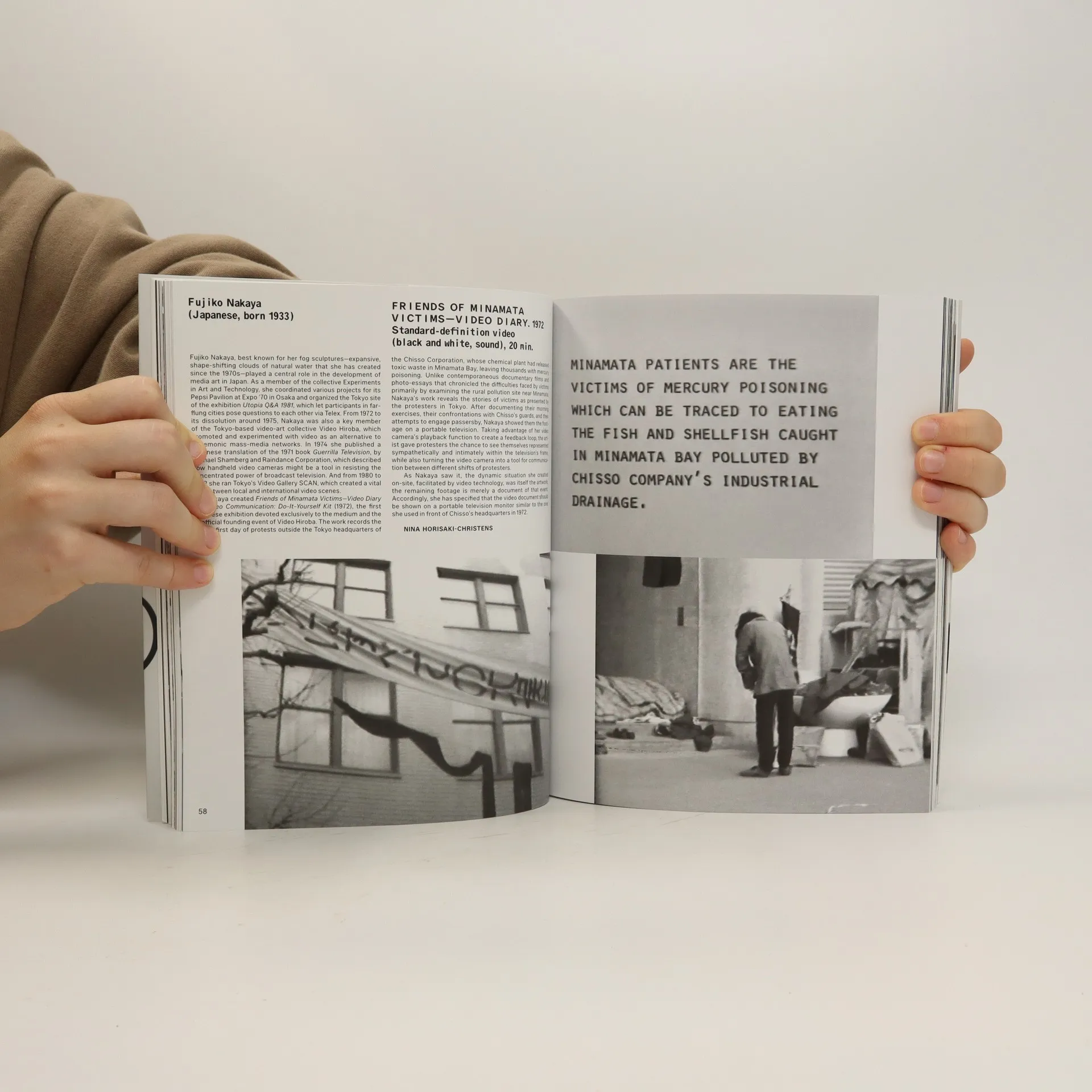
Having become widely accessible as a consumer technology in the 1960s, video is ever-present today-on our phones and our screens, defining new spaces and experiences, shaping our ideas and politics, and spreading disinformation, documentation, evidence, fervor. Signals: The Politics of Video charts the ways in which artists have both championed and questioned the promise of video, revealing a history that has been planetary, critical, and activist from its very beginnings. The Museum of Modern Art has been at the forefront of bringing video into museums-pioneering the collection, conservation, and definition of a new artistic medium. Signals aims to renew and revise our understanding of art and video, both within and outside the museum. A companion to the exhibition, this catalogue-the Museum's first major publication on the subject in twenty-five years-includes an introductory essay by the curators and six thematic texts by leading scholars and artists that investigate the range of artistic engagements with video, media, and the public sphere. Here, video is posed not as a traditional medium but as a pervasive and fluid media network that is thoroughly global, social, and interactive: a means of politics.
Zakup książki
Signals: How Video Transformed the World, Michelle Kuo, Stuart Comer
- Język

- Rok wydania
- 2023
- Oprawa
- (miękka)
Metody płatności
Nikt jeszcze nie ocenił.
- Tytuł
- Signals: How Video Transformed the World
- Język
- angielski
- Autorzy
- Michelle Kuo, Stuart Comer
- Wydawca
- MoMa
- Rok wydania
- 2023
- Oprawa
- miękka
- Liczba stron
- 187
- ISBN10
- 1633451232
- ISBN13
- 9781633451230
- Seria
- Opis
- Having become widely accessible as a consumer technology in the 1960s, video is ever-present today-on our phones and our screens, defining new spaces and experiences, shaping our ideas and politics, and spreading disinformation, documentation, evidence, fervor. Signals: The Politics of Video charts the ways in which artists have both championed and questioned the promise of video, revealing a history that has been planetary, critical, and activist from its very beginnings. The Museum of Modern Art has been at the forefront of bringing video into museums-pioneering the collection, conservation, and definition of a new artistic medium. Signals aims to renew and revise our understanding of art and video, both within and outside the museum. A companion to the exhibition, this catalogue-the Museum's first major publication on the subject in twenty-five years-includes an introductory essay by the curators and six thematic texts by leading scholars and artists that investigate the range of artistic engagements with video, media, and the public sphere. Here, video is posed not as a traditional medium but as a pervasive and fluid media network that is thoroughly global, social, and interactive: a means of politics.