

Więcej o książce
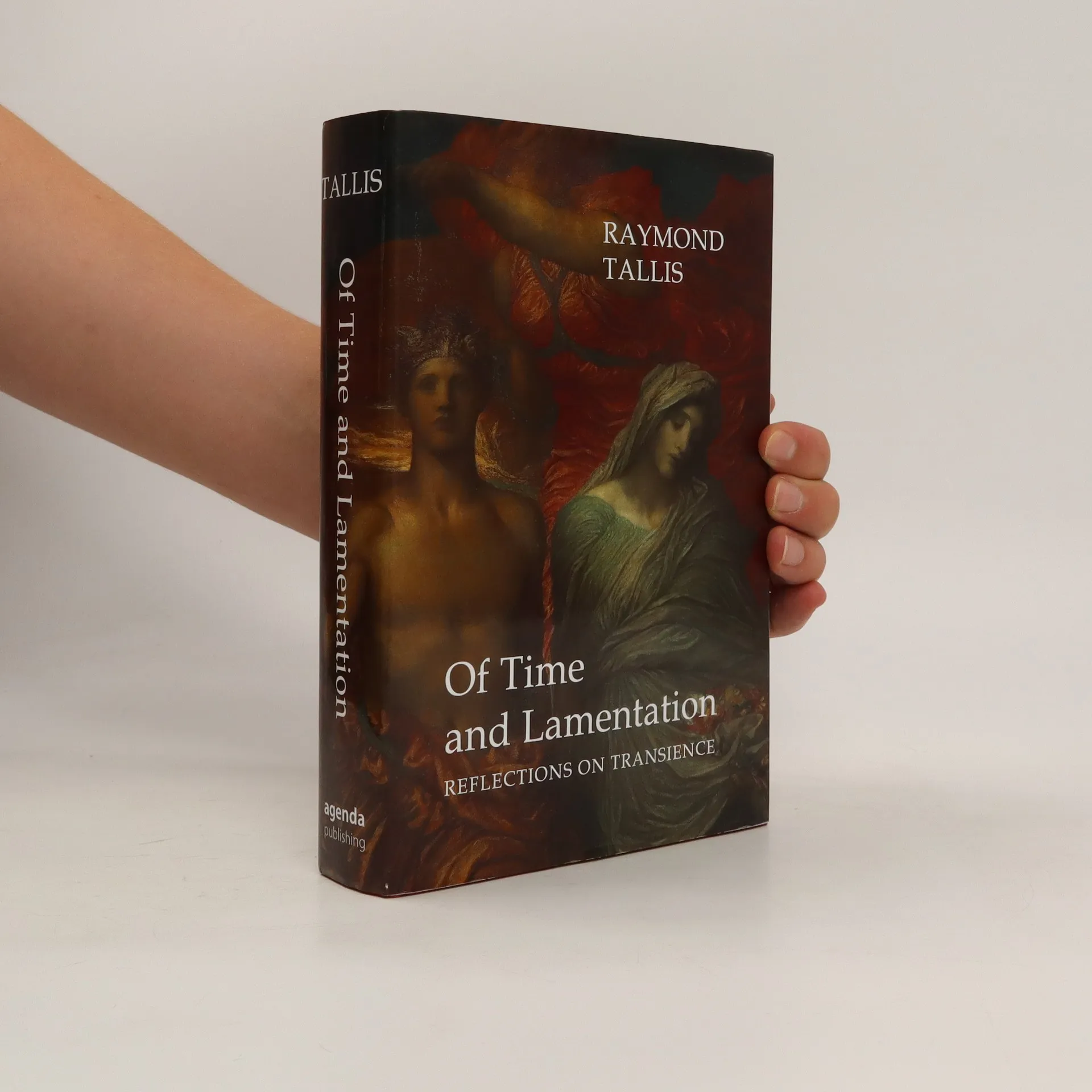
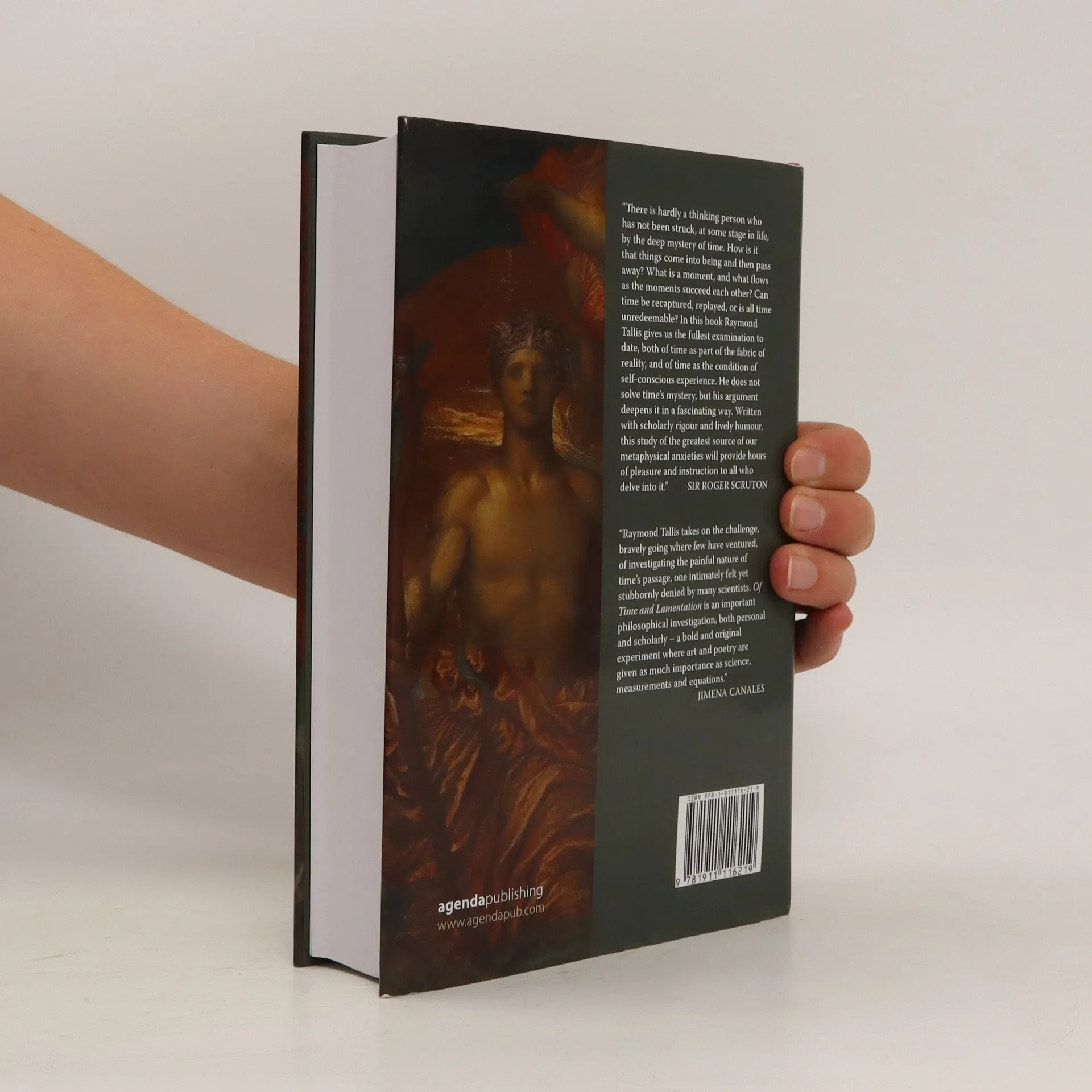
Time's mysteries resist comprehension, challenging even the most profound philosophers. In this work, Raymond Tallis explores the nature and meaning of time, drawing on two decades of contemplation and inquiry. He boldly seeks to reclaim time from the confines of physics, emphasizing that for most of us, time encompasses our daily experiences—mornings, afternoons, and evenings—expressed through emotions like hope, longing, and grief. Reflecting on time invites contemplation of our mortality, yet physics offers little insight into the lived experience of time. Tallis argues that the narratives told by caesium clocks and quantum theory must be complemented by the more personal stories of our human journey, including the moss on rocks and tears on faces. Our temporal lives warrant deeper exploration than the equations of mathematical physics provide. The first part critiques the spatialized and mathematized accounts of time from physical science, while the second part delves into the reality of lived time, exploring concepts like "now," our understanding of past and future events, and the notion of eternity.
Zakup książki
Of Time and Lamentation: Reflections on Transience, Raymond Tallis
- Język

- Rok wydania
- 2017
- Oprawa
- (twarda)
Metody płatności
Nikt jeszcze nie ocenił.
- Tytuł
- Of Time and Lamentation: Reflections on Transience
- Język
- angielski
- Autorzy
- Raymond Tallis
- Wydawca
- Agenda Publishing
- Rok wydania
- 2017
- Oprawa
- twarda
- Liczba stron
- 736
- ISBN10
- 1911116215
- ISBN13
- 9781911116219
- Seria
- Opis
- Time's mysteries resist comprehension, challenging even the most profound philosophers. In this work, Raymond Tallis explores the nature and meaning of time, drawing on two decades of contemplation and inquiry. He boldly seeks to reclaim time from the confines of physics, emphasizing that for most of us, time encompasses our daily experiences—mornings, afternoons, and evenings—expressed through emotions like hope, longing, and grief. Reflecting on time invites contemplation of our mortality, yet physics offers little insight into the lived experience of time. Tallis argues that the narratives told by caesium clocks and quantum theory must be complemented by the more personal stories of our human journey, including the moss on rocks and tears on faces. Our temporal lives warrant deeper exploration than the equations of mathematical physics provide. The first part critiques the spatialized and mathematized accounts of time from physical science, while the second part delves into the reality of lived time, exploring concepts like "now," our understanding of past and future events, and the notion of eternity.