


Więcej o książce
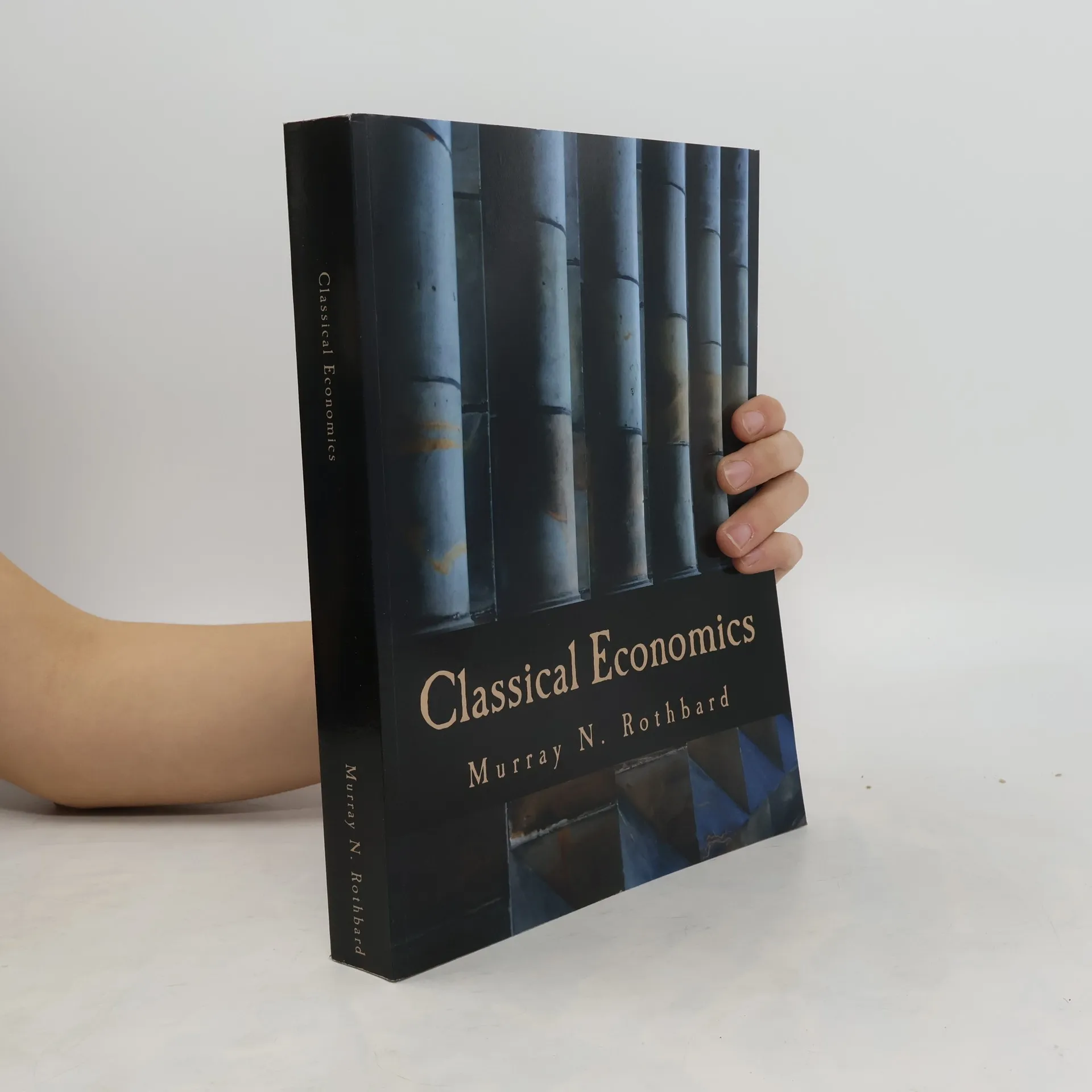
LARGE PRINT EDITION! More at LargePrintLiberty.com Here is the last masterpiece by Murray N. Rothbard (1926-1995), the result of a lifetime of research and his crowning achievement.This volume is the first comprehensive treatment of classical economics from a modern Austrian perspective, an important history of nineteenth-century economic thought that discusses the key members of each school and reassesses their work.Professor Rothbard's approach offers new perspectives on both Ricardo and Say and their followers. He suggests that Ricardianism declined after 1820 and was only revived with the work of John Stuart Mill. The book also resurrects the important Anglo-Irish school of thought at Trinity College, Dublin under Archbishop Richard Whatley. Later chapters focus on the roots of Karl Marx and the nature of his doctrines, and laissez-faire thought in France including the work of Frederic Bastiat.Also included is a comprehensive treatment of the bullionist versus the anti-bullionist and the currency versus banking school controversies in the first half of the nineteenth century, and their influence outside Great Britain.
Zakup książki
Classical Economics, Murray Newton Rothbard
- Język

- Rok wydania
- 2006
- Oprawa
- (miękka)
Metody płatności
Brakuje nam tutaj Twojej recenzji.
- Tytuł
- Classical Economics
- Język
- angielski
- Autorzy
- Murray Newton Rothbard
- Rok wydania
- 2006
- Oprawa
- miękka
- Liczba stron
- 544
- ISBN10
- 148012804X
- ISBN13
- 9781480128040
- Seria
- Kategorie
- Tagi
- Tematy historyczne, Biznes
- Ocena
- 4,5 z 5
- Opis
- LARGE PRINT EDITION! More at LargePrintLiberty.com Here is the last masterpiece by Murray N. Rothbard (1926-1995), the result of a lifetime of research and his crowning achievement.This volume is the first comprehensive treatment of classical economics from a modern Austrian perspective, an important history of nineteenth-century economic thought that discusses the key members of each school and reassesses their work.Professor Rothbard's approach offers new perspectives on both Ricardo and Say and their followers. He suggests that Ricardianism declined after 1820 and was only revived with the work of John Stuart Mill. The book also resurrects the important Anglo-Irish school of thought at Trinity College, Dublin under Archbishop Richard Whatley. Later chapters focus on the roots of Karl Marx and the nature of his doctrines, and laissez-faire thought in France including the work of Frederic Bastiat.Also included is a comprehensive treatment of the bullionist versus the anti-bullionist and the currency versus banking school controversies in the first half of the nineteenth century, and their influence outside Great Britain.