

Więcej o książce
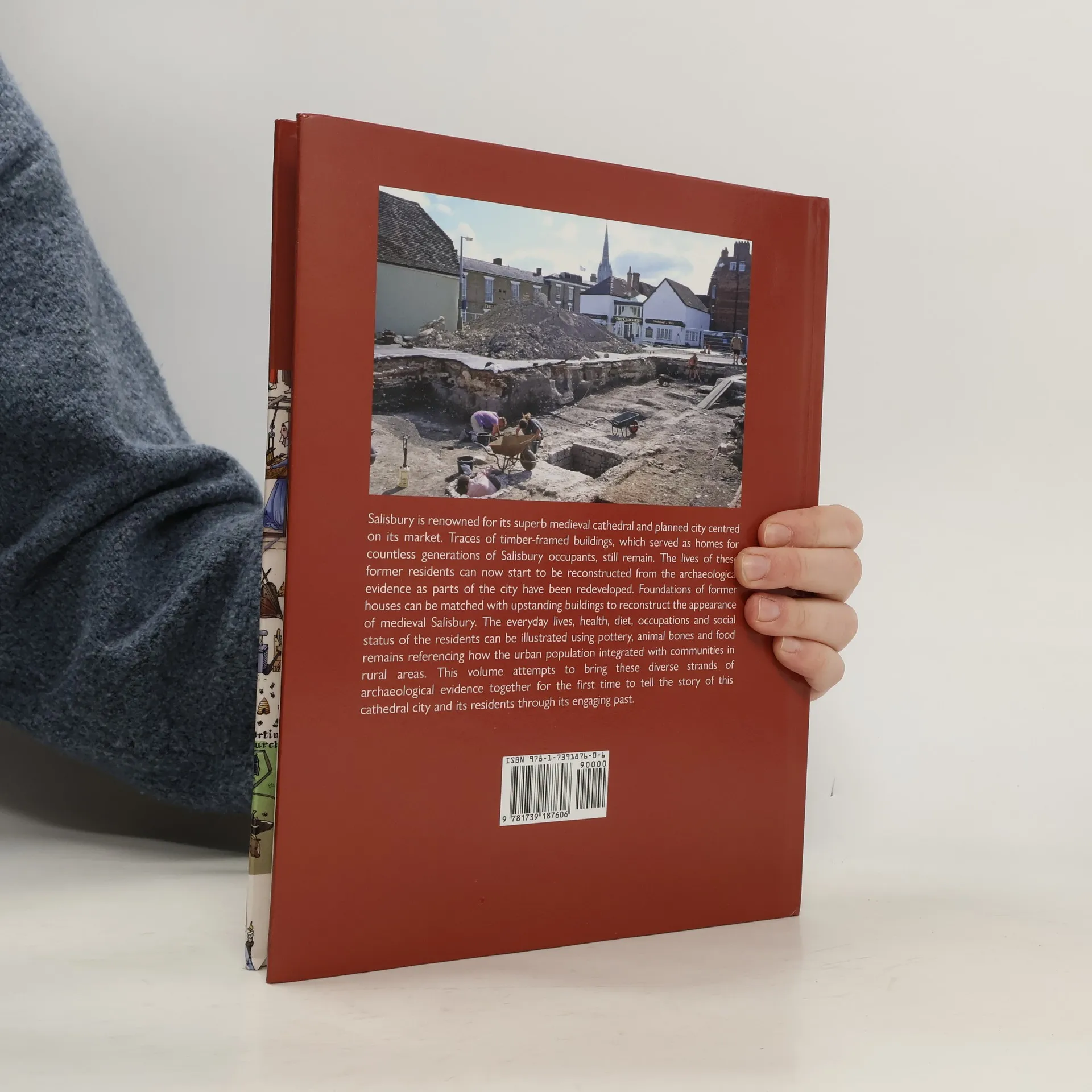
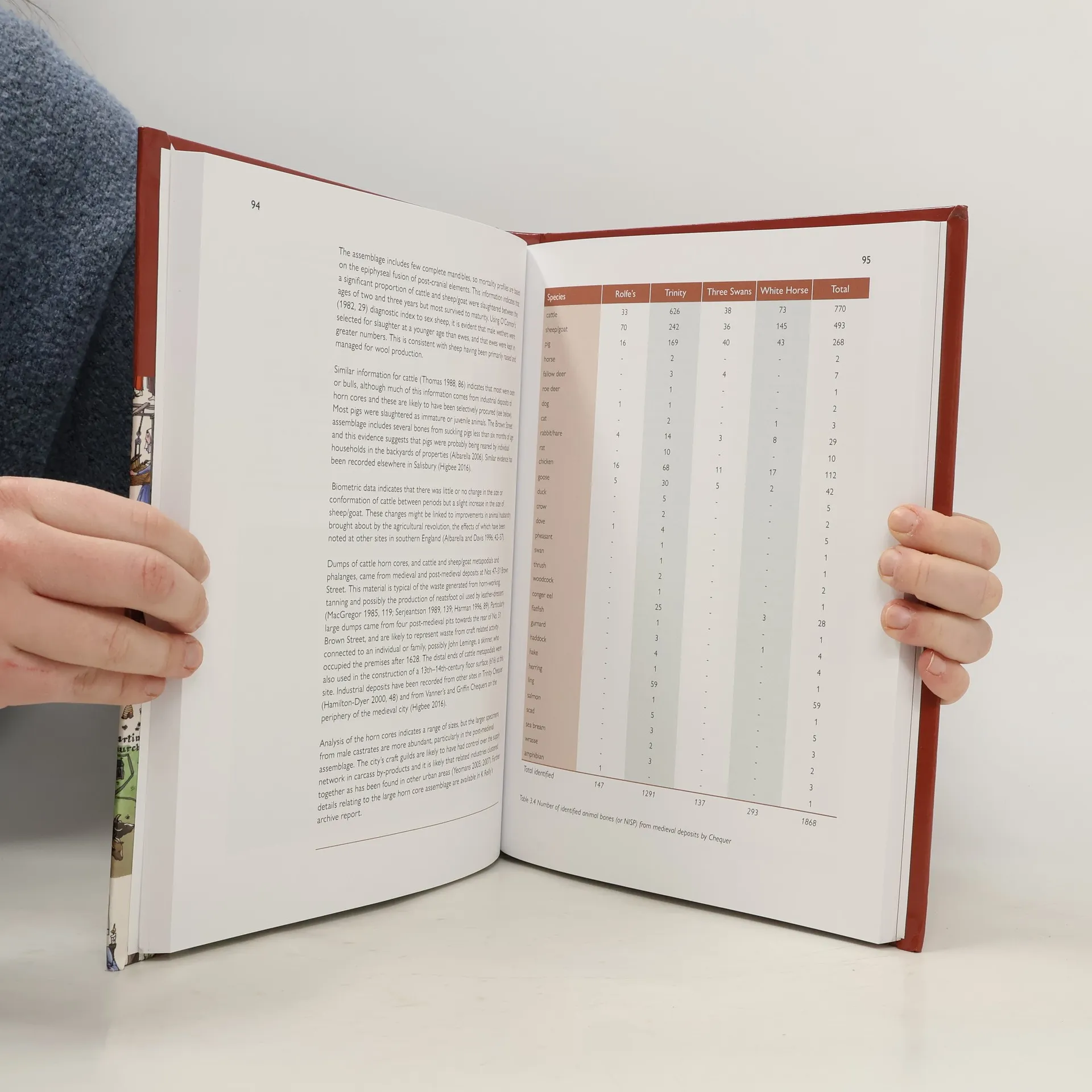
Salisbury is renowned for its superb medieval cathedral and planned city centred on its market. Traces of timber-framed buildings, which served as homes for countless generations of Salisbury occupants, still remain. The lives of these former residents can now start to be reconstructed from the archaeological evidence as parts of the city have been redeveloped. Foundations of former houses can be matched with upstanding buildings to reconstruct the appearance of medieval Salisbury. The everyday lives, health, diet, occupations and social status of the residents can be illustrated using pottery, animal bones and food remains referencing how the urban population integrated with communities in rural areas. This volume attempts to bring these diverse strands of archaeological evidence together for the first time to tell the story of this cathedral city and its residents through its engaging past.
Zakup książki
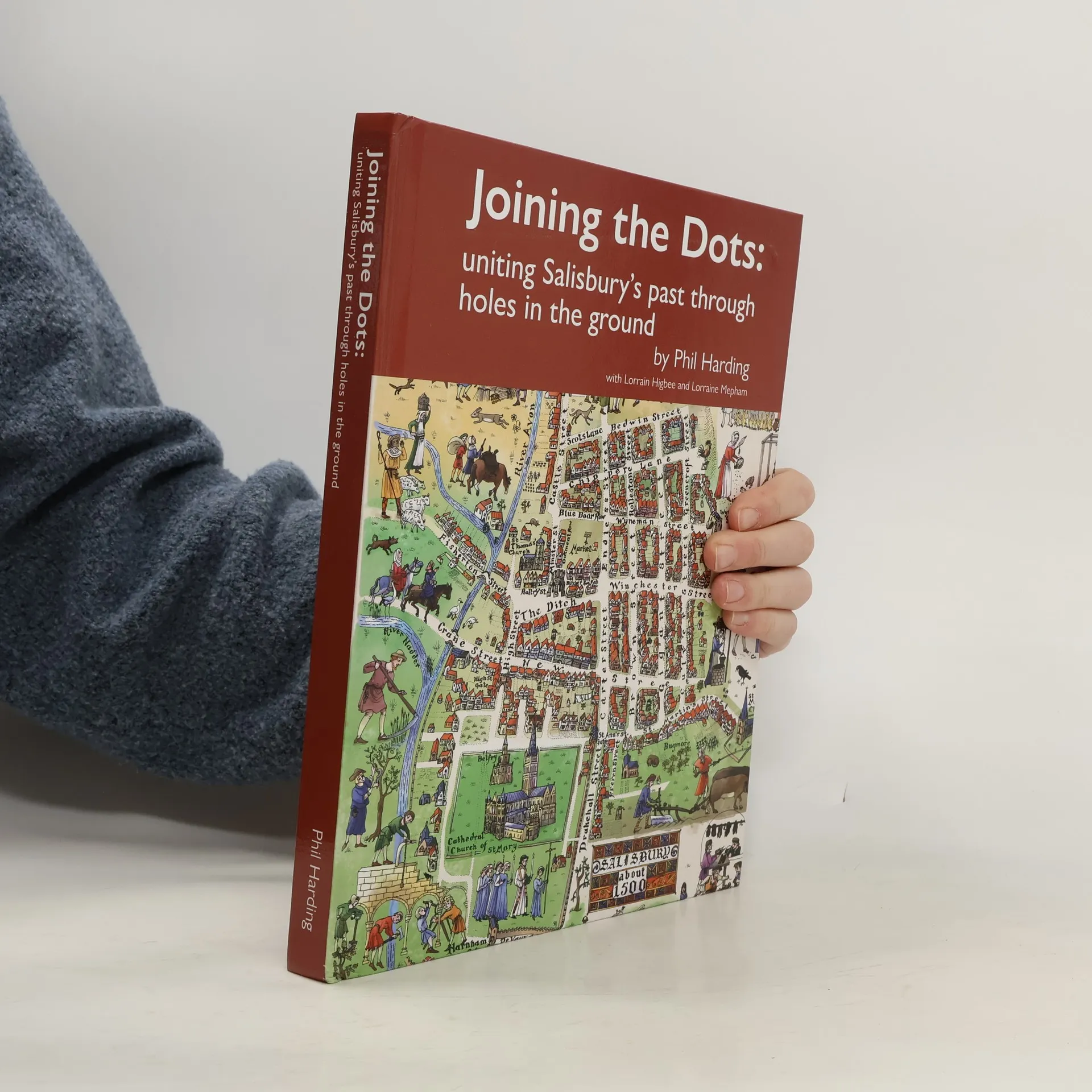
Joining the Dots, Phil Harding, Lorrain Higbee, Lorraine Mepham
- Język

- Rok wydania
- 2022
- Oprawa
- (twarda)
Metody płatności
Brakuje nam tutaj Twojej recenzji.
- Tytuł
- Joining the Dots
- Podtytuł
- uniting Salisbury's past through holes in the ground
- Język
- angielski
- Autorzy
- Phil Harding, Lorrain Higbee, Lorraine Mepham
- Wydawca
- Gospel Minded Momma
- Rok wydania
- 2022
- Oprawa
- twarda
- Liczba stron
- 228
- ISBN13
- 9781739187606
- Seria
- Tagi
- Ocena
- 5 z 5
- Opis
- Salisbury is renowned for its superb medieval cathedral and planned city centred on its market. Traces of timber-framed buildings, which served as homes for countless generations of Salisbury occupants, still remain. The lives of these former residents can now start to be reconstructed from the archaeological evidence as parts of the city have been redeveloped. Foundations of former houses can be matched with upstanding buildings to reconstruct the appearance of medieval Salisbury. The everyday lives, health, diet, occupations and social status of the residents can be illustrated using pottery, animal bones and food remains referencing how the urban population integrated with communities in rural areas. This volume attempts to bring these diverse strands of archaeological evidence together for the first time to tell the story of this cathedral city and its residents through its engaging past.