


Więcej o książce
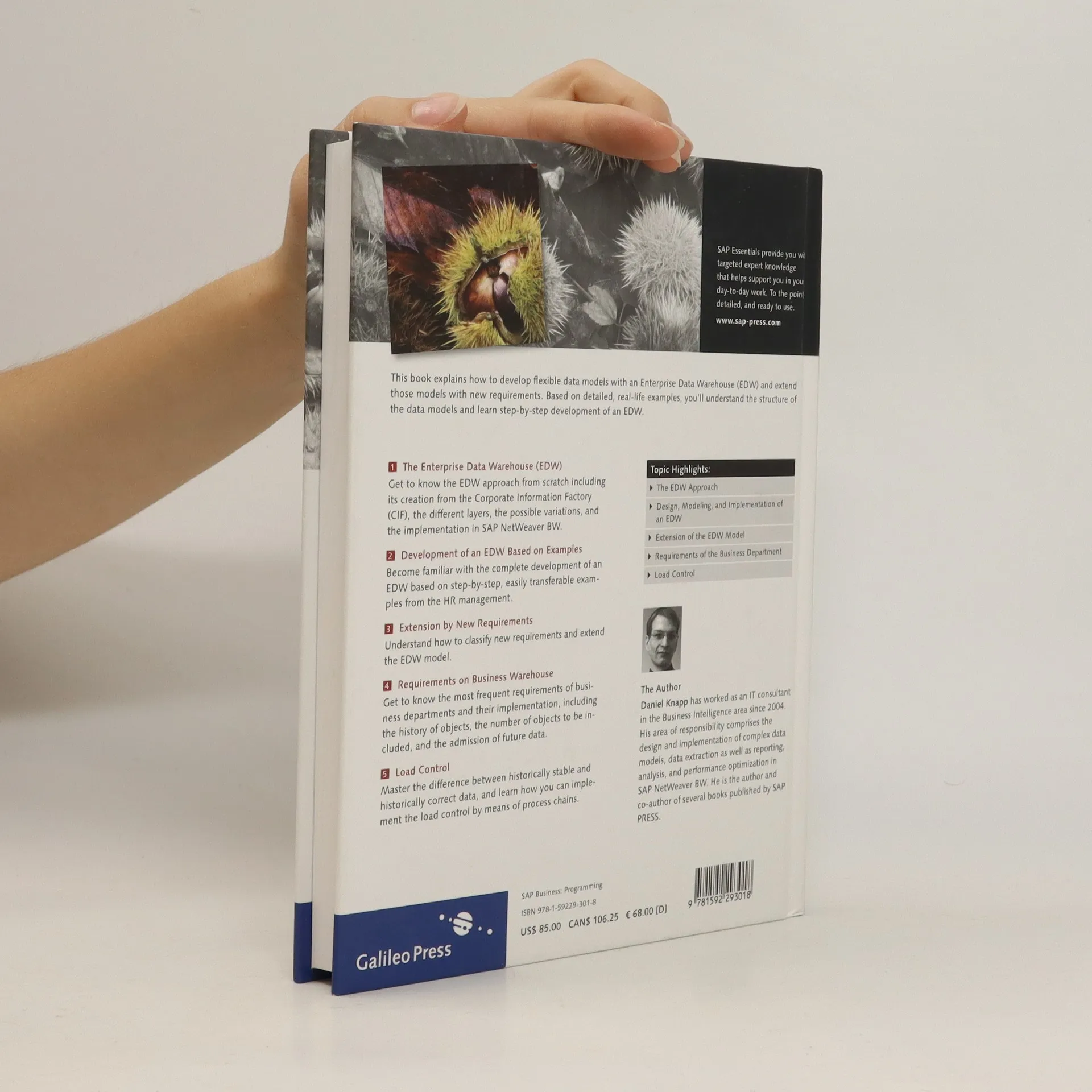
This book explains how to develop flexible data models with an Enterprise Data Warehouse (EDW) and extend those models with new requirements. Based on detailed, real-life examples, you ll understand the structure of the data models and learn step-by-step development of an EDW. 1 Discover the EDW approach from scratch including its creation from the Corporate Information Factory (CIF), different layers, possible variations, and implementation in SAP NetWeaver BW. 2 Become familiar with the complete development of an EDW based on step-by-step, easily transferable examples. 3 Understand how to classify new requirements and extend the EDW model. 4 Uncover the most frequent business requirements and their implementation, including the history of objects, the number of objects to be included, and the admission of future data. 5 Master the difference between historically stable and historically correct data, and learn how you can implement the load control by means of process chains. Highlights -The EDW Approach -Design, Modeling, and Implementation of an EDW -Extension of the EDW Model -Requirements of the Business Department -Load Control
Zakup książki
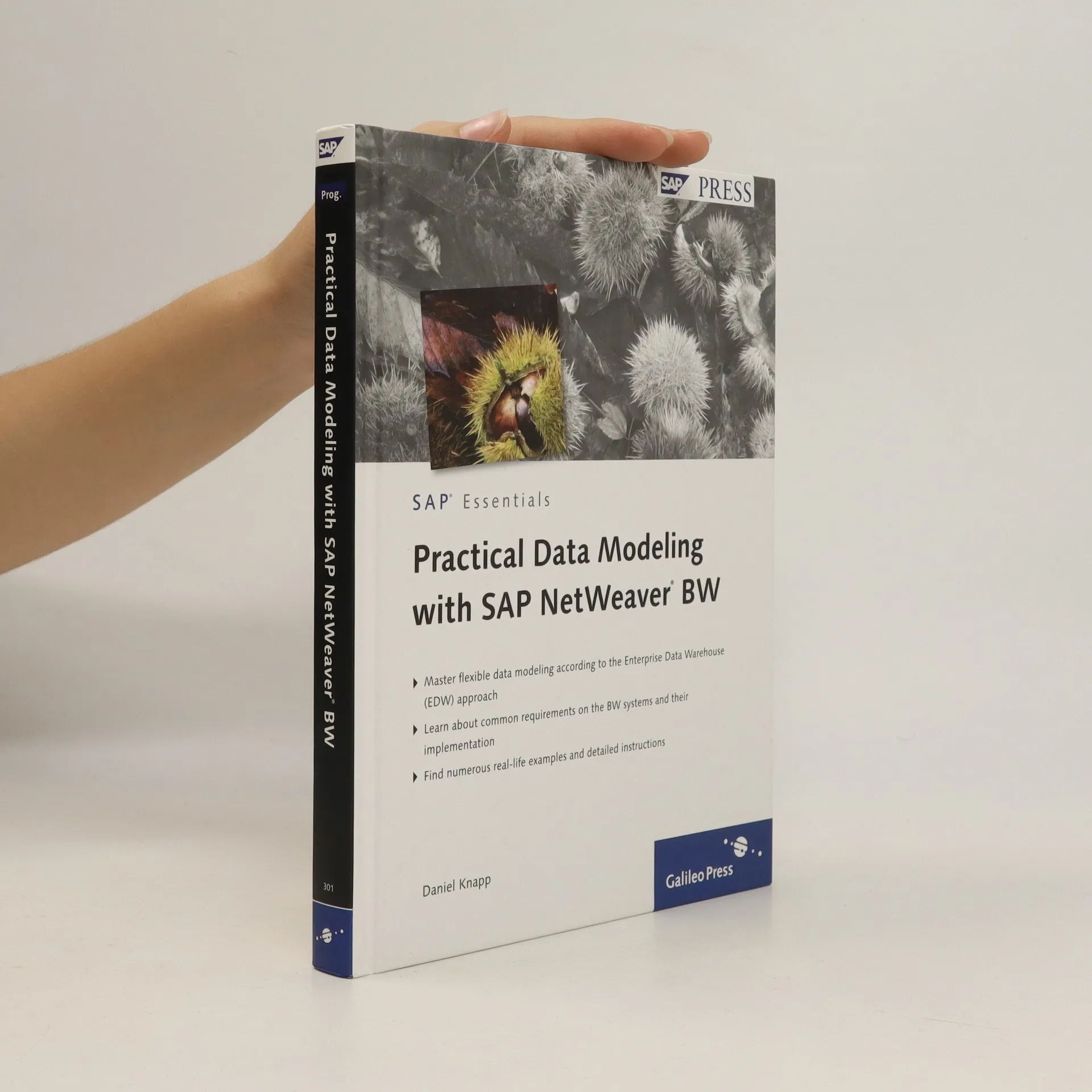
Practical Data Modeling with SAP NetWeaver BW, Daniel Knapp
- Język

- Rok wydania
- 2008
- Oprawa
- (miękka)
Metody płatności
Nikt jeszcze nie ocenił.
- Tytuł
- Practical Data Modeling with SAP NetWeaver BW
- Język
- angielski
- Autorzy
- Daniel Knapp
- Wydawca
- Galileo Press
- Rok wydania
- 2008
- Oprawa
- miękka
- Liczba stron
- 191
- ISBN10
- 1592293018
- ISBN13
- 9781592293018
- Seria
- Tagi
- Opis
- This book explains how to develop flexible data models with an Enterprise Data Warehouse (EDW) and extend those models with new requirements. Based on detailed, real-life examples, you ll understand the structure of the data models and learn step-by-step development of an EDW. 1 Discover the EDW approach from scratch including its creation from the Corporate Information Factory (CIF), different layers, possible variations, and implementation in SAP NetWeaver BW. 2 Become familiar with the complete development of an EDW based on step-by-step, easily transferable examples. 3 Understand how to classify new requirements and extend the EDW model. 4 Uncover the most frequent business requirements and their implementation, including the history of objects, the number of objects to be included, and the admission of future data. 5 Master the difference between historically stable and historically correct data, and learn how you can implement the load control by means of process chains. Highlights -The EDW Approach -Design, Modeling, and Implementation of an EDW -Extension of the EDW Model -Requirements of the Business Department -Load Control