


Więcej o książce
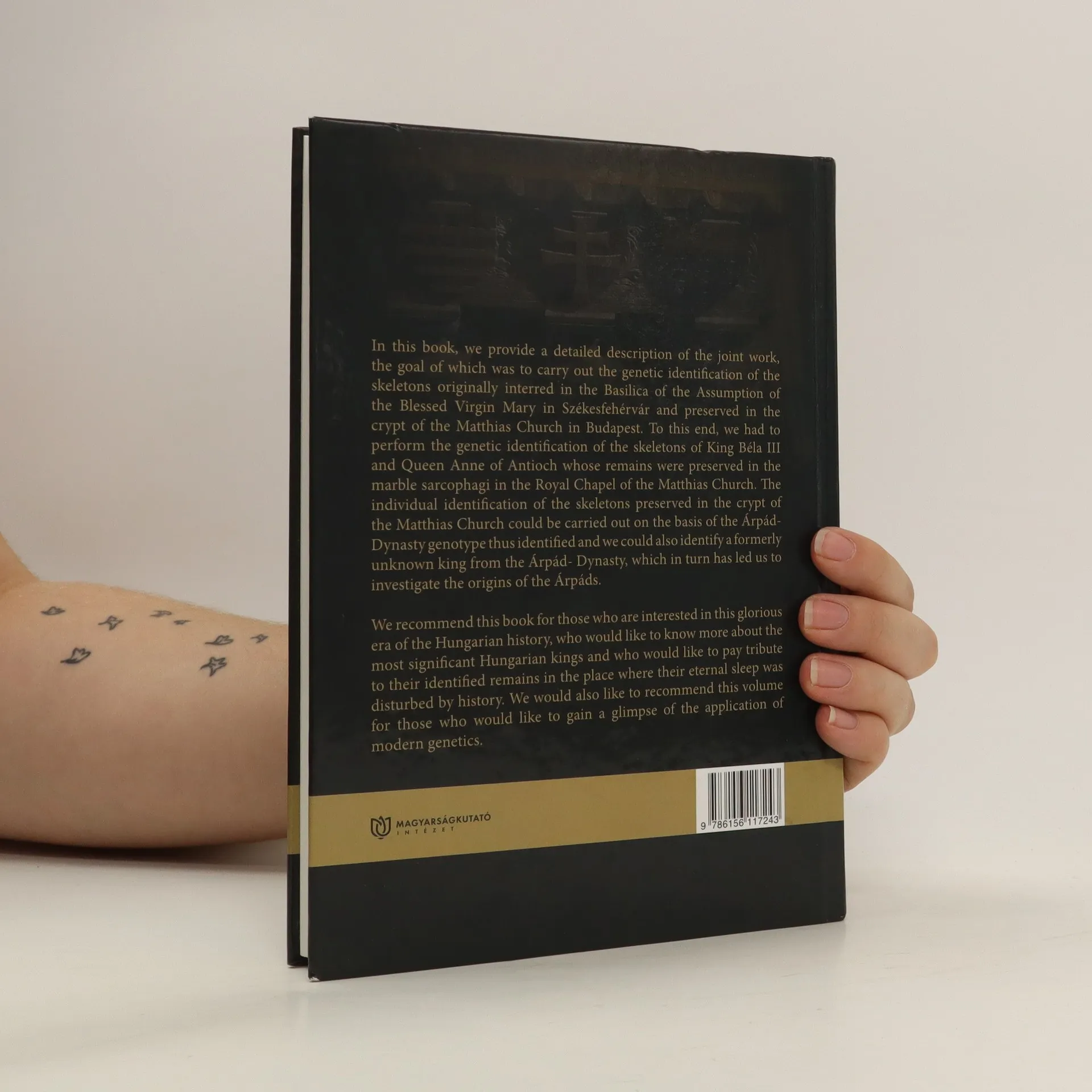
In this book, we provide a detailed description of the joint work, the goal of which was to carry out the genetic identification of the skeletons originally interred in the Basilica of the Assumption of the Blessed Virgin Mary in Székesfehérvár and preserved in the crypt of the Matthias Church in Budapest. To this end, we had to perform the genetic identification of the skeletons of King Béla III and Queen Anne of Antioch whose remains were preserved in the marble sarcophagi in the Royal Chapel of the Matthias Church. The individual identification of the skeletons preserved in the crypt of the Matthias Church could be carried out on the basis of the Árpád-Dynasty genotype thus identified and we could also identify a formerly unknown king from the Árpád- Dynasty, which in turn has led us to investigate the origins of the Árpáds.We recommend this book for those who are interested in this glorious era of the Hungarian history, who would like to know more about the most significant Hungarian kings and who would like to pay tribute to their identified remains in the place where their eternal sleep was disturbed by history. We would also like to recommend this volume for those who would like to gain a glimpse of the application of modern genetics.Institute of Hungarian Research, 54-56 Úri street, 1014 Budapest, Hungary
Zakup książki
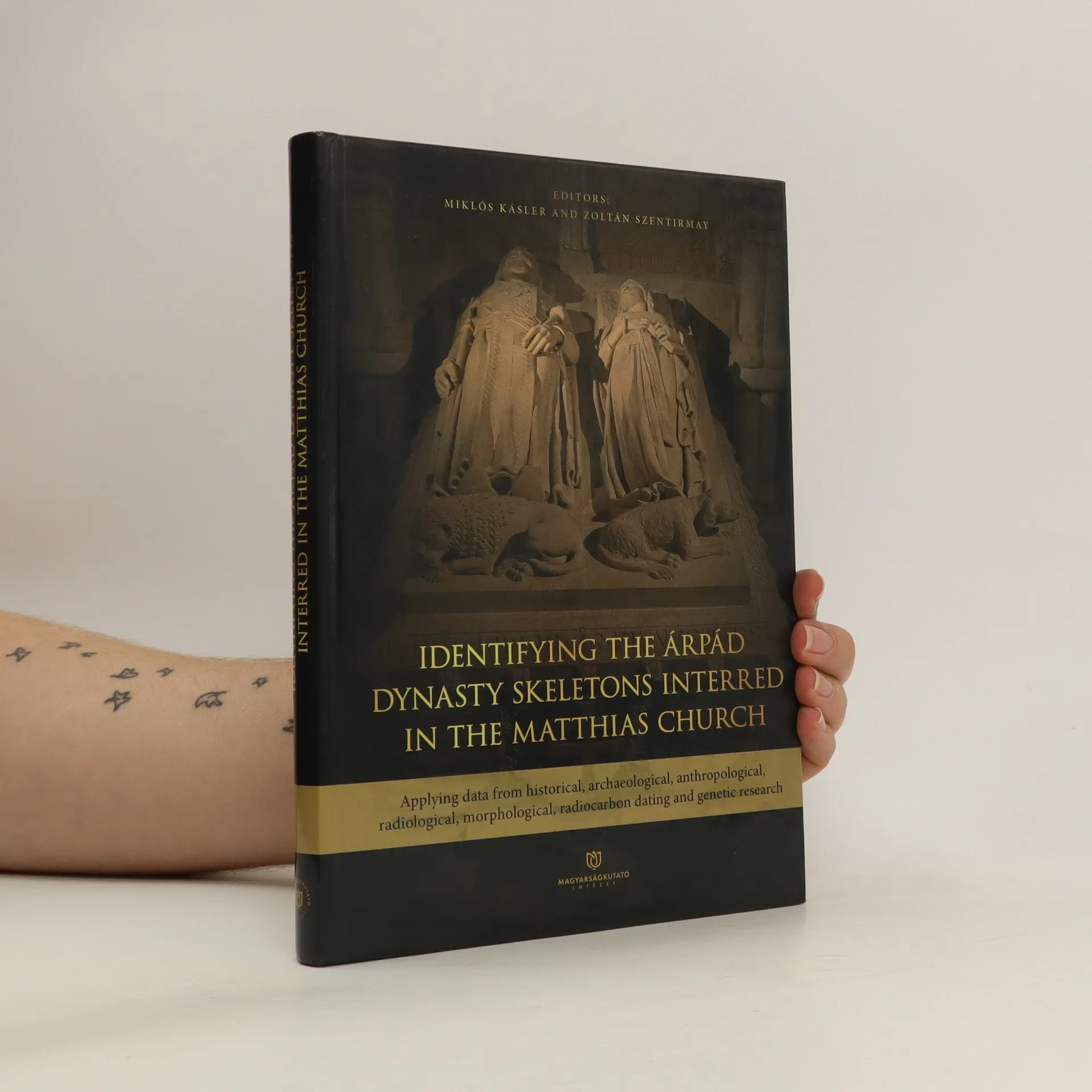
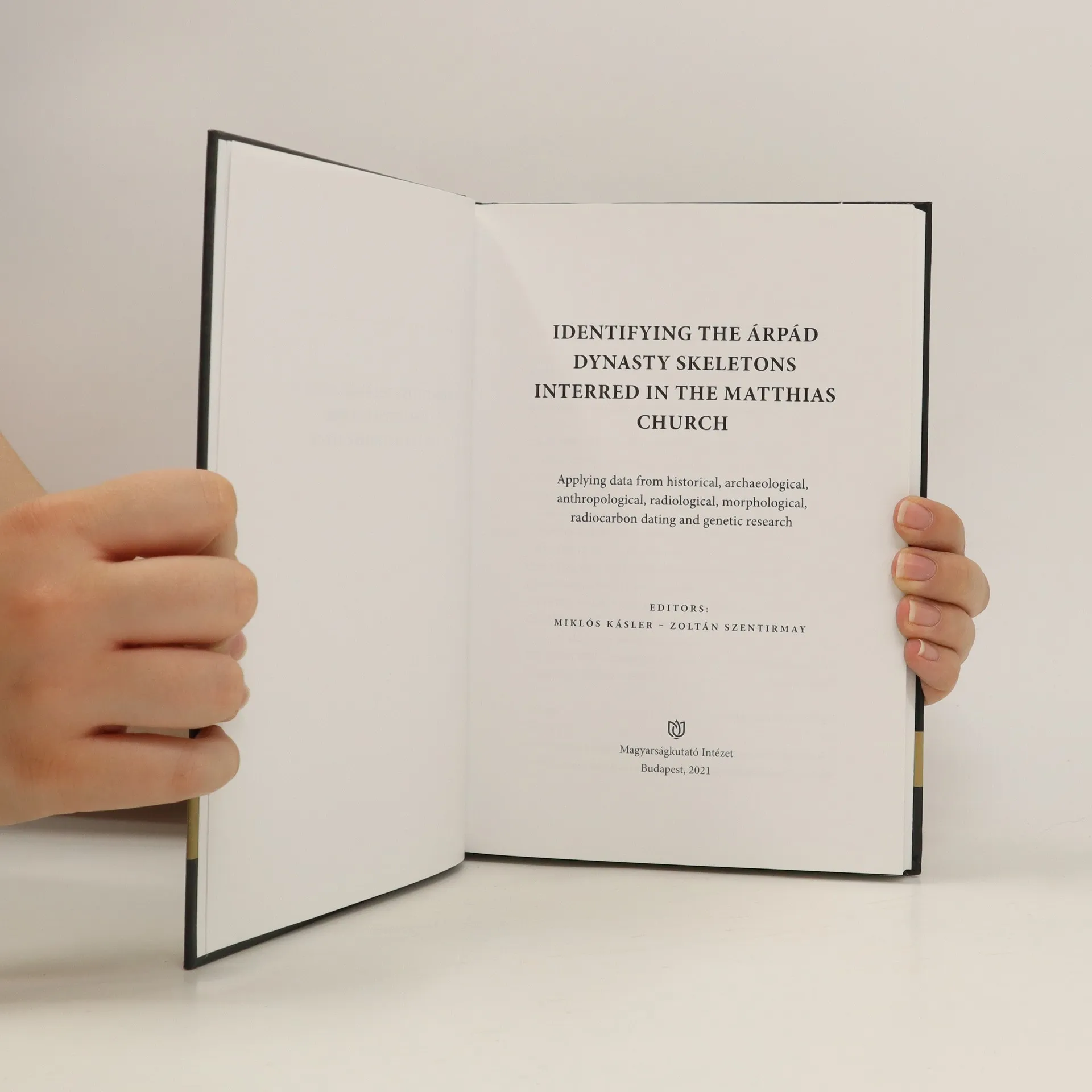
Identifying the Árpád Dynasty Skeletons interred in the Matthias Church, Zoltán Szentirmay, Miklós Kásler
- Język

- Rok wydania
- 2021
- Oprawa
- (twarda)
Metody płatności
Nikt jeszcze nie ocenił.
- Tytuł
- Identifying the Árpád Dynasty Skeletons interred in the Matthias Church
- Język
- angielski
- Autorzy
- Zoltán Szentirmay, Miklós Kásler
- Wydawca
- Magyarságkutató Intézet
- Rok wydania
- 2021
- Oprawa
- twarda
- Liczba stron
- 250
- ISBN10
- 6156117245
- ISBN13
- 9786156117243
- Seria
- Opis
- In this book, we provide a detailed description of the joint work, the goal of which was to carry out the genetic identification of the skeletons originally interred in the Basilica of the Assumption of the Blessed Virgin Mary in Székesfehérvár and preserved in the crypt of the Matthias Church in Budapest. To this end, we had to perform the genetic identification of the skeletons of King Béla III and Queen Anne of Antioch whose remains were preserved in the marble sarcophagi in the Royal Chapel of the Matthias Church. The individual identification of the skeletons preserved in the crypt of the Matthias Church could be carried out on the basis of the Árpád-Dynasty genotype thus identified and we could also identify a formerly unknown king from the Árpád- Dynasty, which in turn has led us to investigate the origins of the Árpáds.We recommend this book for those who are interested in this glorious era of the Hungarian history, who would like to know more about the most significant Hungarian kings and who would like to pay tribute to their identified remains in the place where their eternal sleep was disturbed by history. We would also like to recommend this volume for those who would like to gain a glimpse of the application of modern genetics.Institute of Hungarian Research, 54-56 Úri street, 1014 Budapest, Hungary