



Więcej o książce
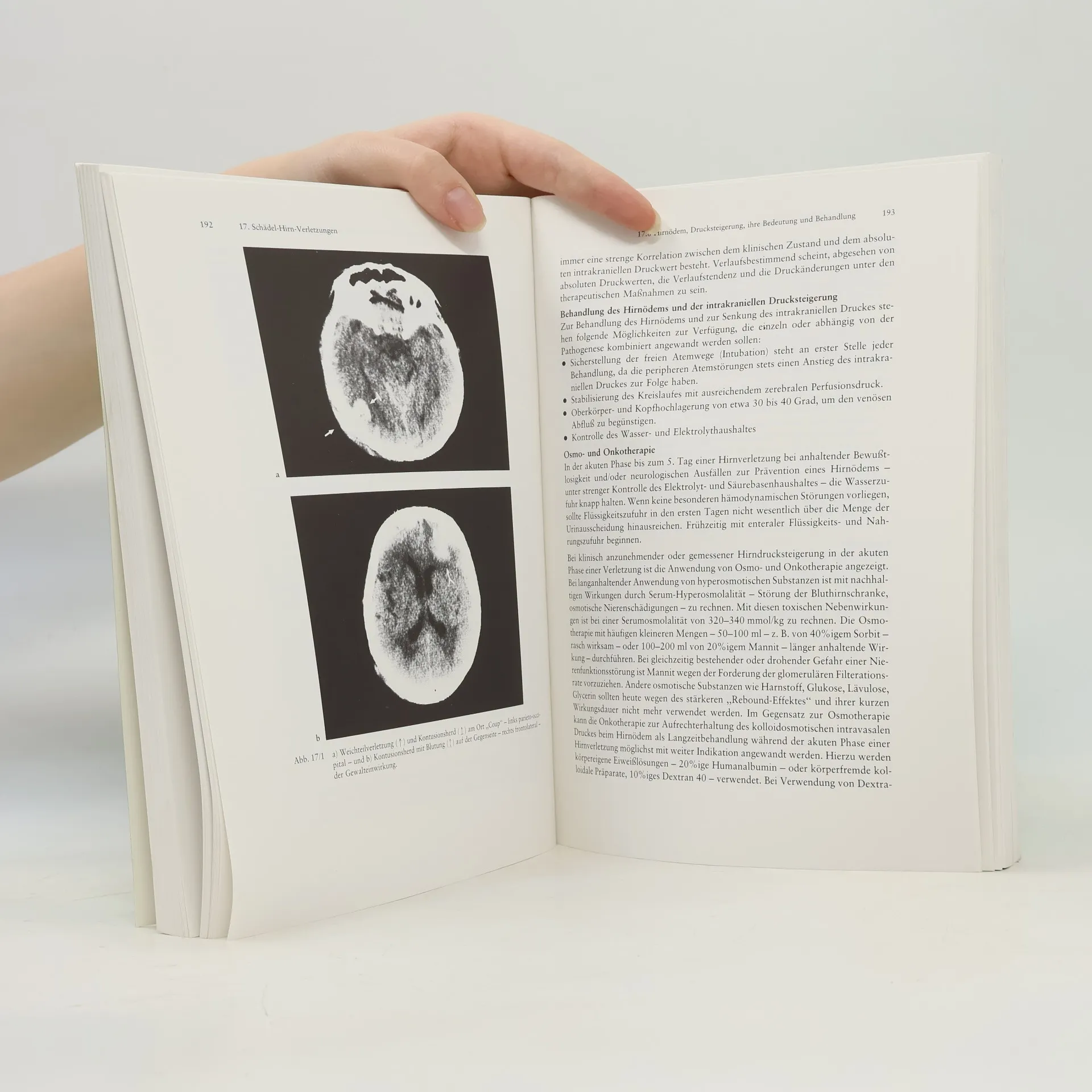
This comprehensive work covers essential aspects of emergency medicine and trauma care. It begins with an overview of emergencies and the medical response chain for emergency patients, followed by elemental therapies for life-threatening conditions and common post-traumatic complications. The text addresses various types of injuries, including wounds, burns, cold injuries, electrical and water accidents, as well as contusions, sprains, ligament tears, and fractures. It also discusses more complex issues such as ankylosis, arthrodesis, contractures, and dislocations, along with multiple injuries and the role of X-ray examinations in assessing trauma victims. In the specialized section, the focus shifts to anesthesia techniques for trauma patients and specific injuries, including skull and brain injuries, facial bone injuries, ENT injuries, eye injuries, thoracic and abdominal injuries, urogenital injuries, cervical spine injuries, pelvic injuries, and upper and lower limb injuries. The text also covers pediatric limb injuries, microsurgical replantations, tissue transplants, vascular injuries, and the assessment of injuries resulting from accidents. This structured approach ensures a thorough understanding of trauma management, making it a valuable resource for medical professionals in emergency and trauma settings.
Zakup książki
Unfallheilkunde Für Die Praxis, kolektiv
- Język

- Rok wydania
- 1984
- Oprawa
- (twarda),
- Stan książki
- Dobry
- Cena
- 14,12 zł
Metody płatności
Nikt jeszcze nie ocenił.
- Tytuł
- Unfallheilkunde Für Die Praxis
- Język
- niemiecki
- Autorzy
- kolektiv
- Wydawca
- De Gruyter
- Rok wydania
- 1984
- Oprawa
- twarda
- Liczba stron
- 494
- ISBN10
- 3110077620
- ISBN13
- 9783110077629
- Seria
- Kategorie
- Opis
- This comprehensive work covers essential aspects of emergency medicine and trauma care. It begins with an overview of emergencies and the medical response chain for emergency patients, followed by elemental therapies for life-threatening conditions and common post-traumatic complications. The text addresses various types of injuries, including wounds, burns, cold injuries, electrical and water accidents, as well as contusions, sprains, ligament tears, and fractures. It also discusses more complex issues such as ankylosis, arthrodesis, contractures, and dislocations, along with multiple injuries and the role of X-ray examinations in assessing trauma victims. In the specialized section, the focus shifts to anesthesia techniques for trauma patients and specific injuries, including skull and brain injuries, facial bone injuries, ENT injuries, eye injuries, thoracic and abdominal injuries, urogenital injuries, cervical spine injuries, pelvic injuries, and upper and lower limb injuries. The text also covers pediatric limb injuries, microsurgical replantations, tissue transplants, vascular injuries, and the assessment of injuries resulting from accidents. This structured approach ensures a thorough understanding of trauma management, making it a valuable resource for medical professionals in emergency and trauma settings.