



Więcej o książce
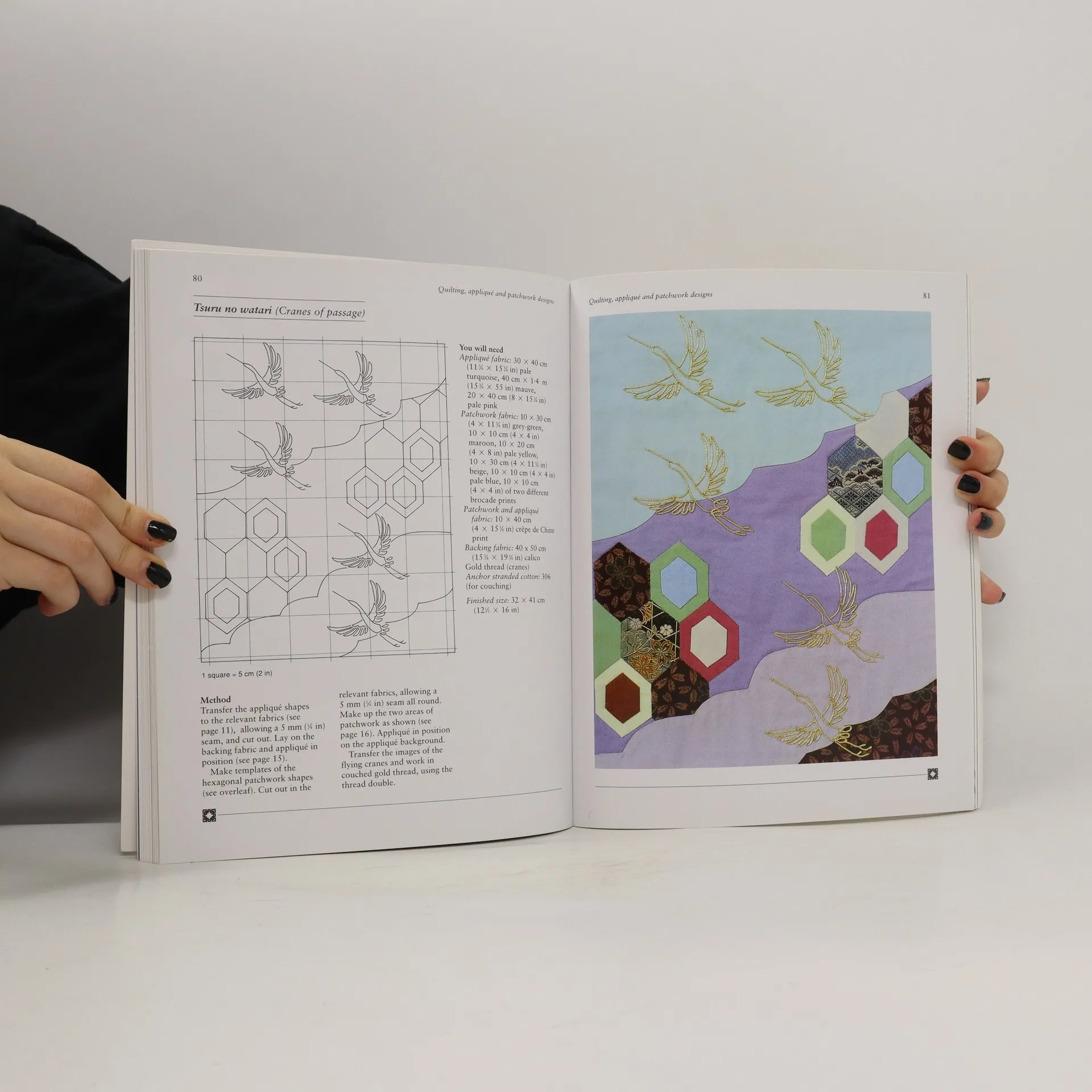
In recent years there has been a great revival of interest in sashiko, the traditional Japanese technique of needlework quilting based on a quick and easy running stitch. Japanese Quilting: Sashiko is a practical introduction to the distinctive patterns and designs of the technique. Whether you are a complete beginner or familiar with sashiko, you will find this a fascinating exploration of an exciting and traditional craft. The book includes an introduction on what materials and equipment you will need, then a guide through the basic technques. Next, the author provides 30 detailed designs, ranging from the Ougi (Fan), Ume (plum blossom), to Shippu (seven treasures) and Sayagata (Buddhist symbols). Each has a full drawing and critically gives the order of working. There is also 10 projects that range from aprons and placemats to cushions and bags. There is everything a reader needs to start the craft but can also expand the repertoire of an experienced quilter and textile artist.
Zakup książki
Japanese Quilting, Hiromitsu Takano
- Język

- Rok wydania
- 2015
- Oprawa
- (miękka)
Metody płatności
Brakuje nam tutaj Twojej recenzji.
- Tytuł
- Japanese Quilting
- Język
- angielski
- Autorzy
- Hiromitsu Takano
- Wydawca
- Batsford
- Rok wydania
- 2015
- Oprawa
- miękka
- Liczba stron
- 128
- ISBN10
- 0713486341
- ISBN13
- 9780713486346
- Seria
- Ocena
- 3,85 z 5
- Opis
- In recent years there has been a great revival of interest in sashiko, the traditional Japanese technique of needlework quilting based on a quick and easy running stitch. Japanese Quilting: Sashiko is a practical introduction to the distinctive patterns and designs of the technique. Whether you are a complete beginner or familiar with sashiko, you will find this a fascinating exploration of an exciting and traditional craft. The book includes an introduction on what materials and equipment you will need, then a guide through the basic technques. Next, the author provides 30 detailed designs, ranging from the Ougi (Fan), Ume (plum blossom), to Shippu (seven treasures) and Sayagata (Buddhist symbols). Each has a full drawing and critically gives the order of working. There is also 10 projects that range from aprons and placemats to cushions and bags. There is everything a reader needs to start the craft but can also expand the repertoire of an experienced quilter and textile artist.