

Więcej o książce
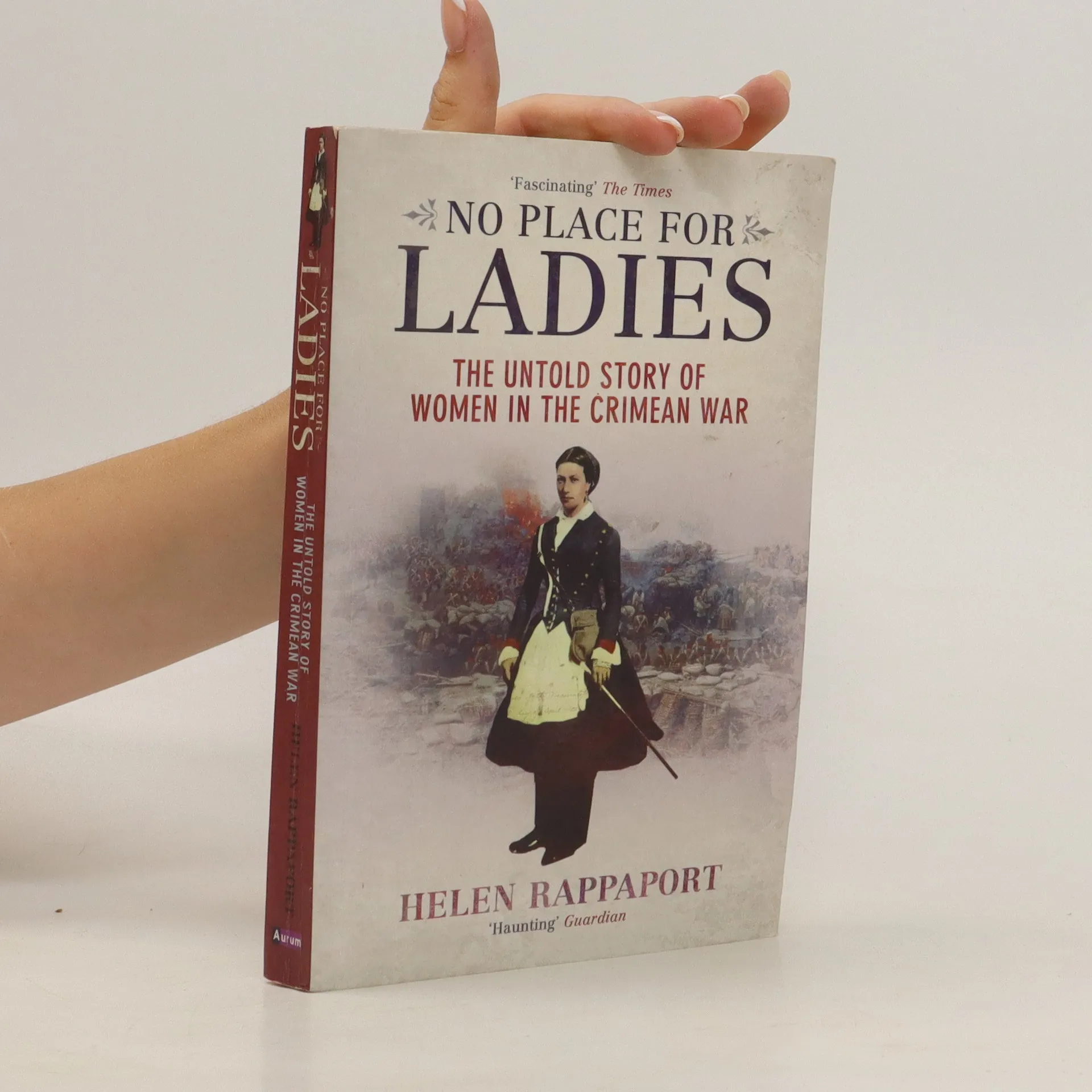
All children learn at school the story of Florence Nightingale - the Lady with the Lamp - who heroically tended the sick during the Crimean War. But she was not the only woman in the Crimea. It is usually assumed that women did not become involved in international conflict until the First World War. But in No Place For Ladies, respected historian Helen Rappaport proves otherwise: numerous women were actively involved in the Crimean in a variety of ways.Four wives would be chosen to accompany each regiment of 100 men, enduring the vermin-ridden troop ships and then left to fend for themselves in the barren Crimean terrain, before combing the battlefields in search of their men. Yet the suffering of the soldiers' wives left behind was more terrible. At home, vast numbers of women - including Queen Victoria herself - knitted socks to cheer the soldiers stranded in freezing Sevastopol. Florence Nightingale had a band of unruly, often hard-drinking orderlies to control. Rejected by Nightingale, maverick black nurse Mary Seacole set up her own dispensary in the Crimea. And then there were the lady battlefield tourists, watching engagements from a safe distance in between picnics and yacht trips.This is a rich, colourful and fascinating picture of very different women at war, based on hundreds of rare accounts.
Zakup książki
No Place for Ladies, Helen Rappaport
- Język

- Rok wydania
- 2008
- Oprawa
- (miękka)
Metody płatności
Brakuje nam tutaj Twojej recenzji.
- Tytuł
- No Place for Ladies
- Język
- angielski
- Autorzy
- Helen Rappaport
- Wydawca
- Aurum
- Rok wydania
- 2008
- Oprawa
- miękka
- Liczba stron
- 288
- ISBN10
- 1845133145
- ISBN13
- 9781845133146
- Seria
- Ocena
- 3,65 z 5
- Opis
- All children learn at school the story of Florence Nightingale - the Lady with the Lamp - who heroically tended the sick during the Crimean War. But she was not the only woman in the Crimea. It is usually assumed that women did not become involved in international conflict until the First World War. But in No Place For Ladies, respected historian Helen Rappaport proves otherwise: numerous women were actively involved in the Crimean in a variety of ways.Four wives would be chosen to accompany each regiment of 100 men, enduring the vermin-ridden troop ships and then left to fend for themselves in the barren Crimean terrain, before combing the battlefields in search of their men. Yet the suffering of the soldiers' wives left behind was more terrible. At home, vast numbers of women - including Queen Victoria herself - knitted socks to cheer the soldiers stranded in freezing Sevastopol. Florence Nightingale had a band of unruly, often hard-drinking orderlies to control. Rejected by Nightingale, maverick black nurse Mary Seacole set up her own dispensary in the Crimea. And then there were the lady battlefield tourists, watching engagements from a safe distance in between picnics and yacht trips.This is a rich, colourful and fascinating picture of very different women at war, based on hundreds of rare accounts.