



Parametry
Więcej o książce
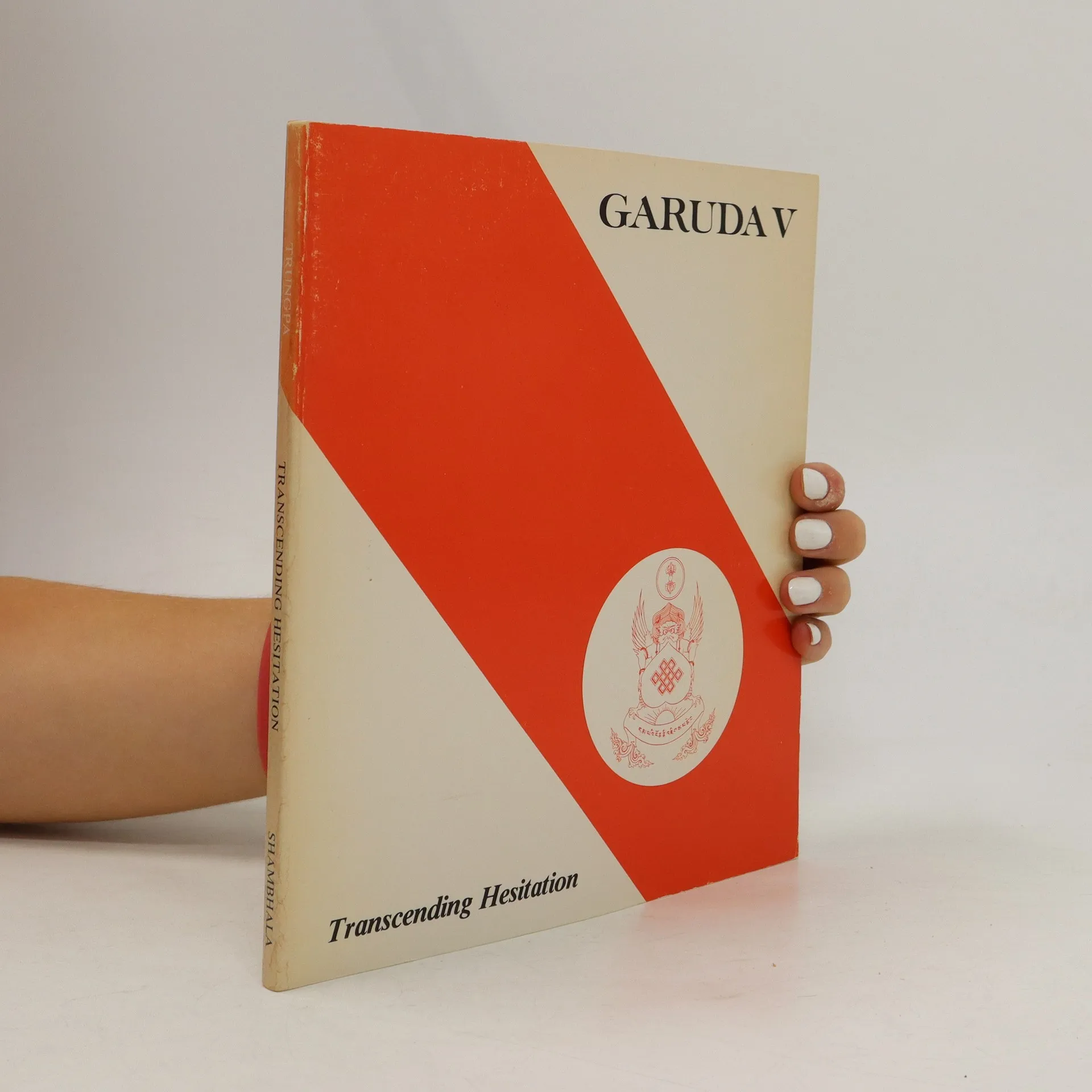
The buddhadharma represents the teachings of the awakened mind, where Buddha signifies the “awakened one” and dharma refers to “law” or “teaching.” This path of training fosters enlightenment and embodies the norms of an awakened state throughout the journey. The development occurs through increasing levels of commitment, categorized into three main stages known as the three yanas: hinayana, mahayana, and vajrayana (or tantra), all of which are essential. Hinayana focuses on realizing the Buddha's fundamental teachings and recognizing suffering stemming from ego. Mahayana emphasizes understanding suffering and experience as a foundation for communication. Vajrayana achieves complete directness, where duality is seen through, and the notion of a spiritual journey dissolves. Each yana corresponds to a vow, marking the transcendence of hesitation. The hinayana vow involves taking refuge in the Buddha, dharma, and sangha—the three jewels. In mahayana, practitioners can take the bodhisattva vow, prioritizing the welfare of others. The final stage, tantra, entails the samaya vow, representing total devotion to the guru as the embodiment of the awakened state. The teachings of Chogyam Trungpa, Rinpoche, on the refuge and bodhisattva vows are explored in subsequent pages, drawn from his talks during vow ceremonies.
Zakup książki
Garuda 5, Čhögjam Trungpa
- Język

- Rok wydania
- 1978
- Oprawa
- (miękka)
Metody płatności
Nikt jeszcze nie ocenił.
- Tytuł
- Garuda 5
- Język
- angielski
- Autorzy
- Čhögjam Trungpa
- Wydawca
- Vajradhatu
- Rok wydania
- 1978
- Oprawa
- miękka
- ISBN10
- 0394734459
- ISBN13
- 9780394734453
- Seria
- Tagi
- Opis
- The buddhadharma represents the teachings of the awakened mind, where Buddha signifies the “awakened one” and dharma refers to “law” or “teaching.” This path of training fosters enlightenment and embodies the norms of an awakened state throughout the journey. The development occurs through increasing levels of commitment, categorized into three main stages known as the three yanas: hinayana, mahayana, and vajrayana (or tantra), all of which are essential. Hinayana focuses on realizing the Buddha's fundamental teachings and recognizing suffering stemming from ego. Mahayana emphasizes understanding suffering and experience as a foundation for communication. Vajrayana achieves complete directness, where duality is seen through, and the notion of a spiritual journey dissolves. Each yana corresponds to a vow, marking the transcendence of hesitation. The hinayana vow involves taking refuge in the Buddha, dharma, and sangha—the three jewels. In mahayana, practitioners can take the bodhisattva vow, prioritizing the welfare of others. The final stage, tantra, entails the samaya vow, representing total devotion to the guru as the embodiment of the awakened state. The teachings of Chogyam Trungpa, Rinpoche, on the refuge and bodhisattva vows are explored in subsequent pages, drawn from his talks during vow ceremonies.