



Więcej o książce
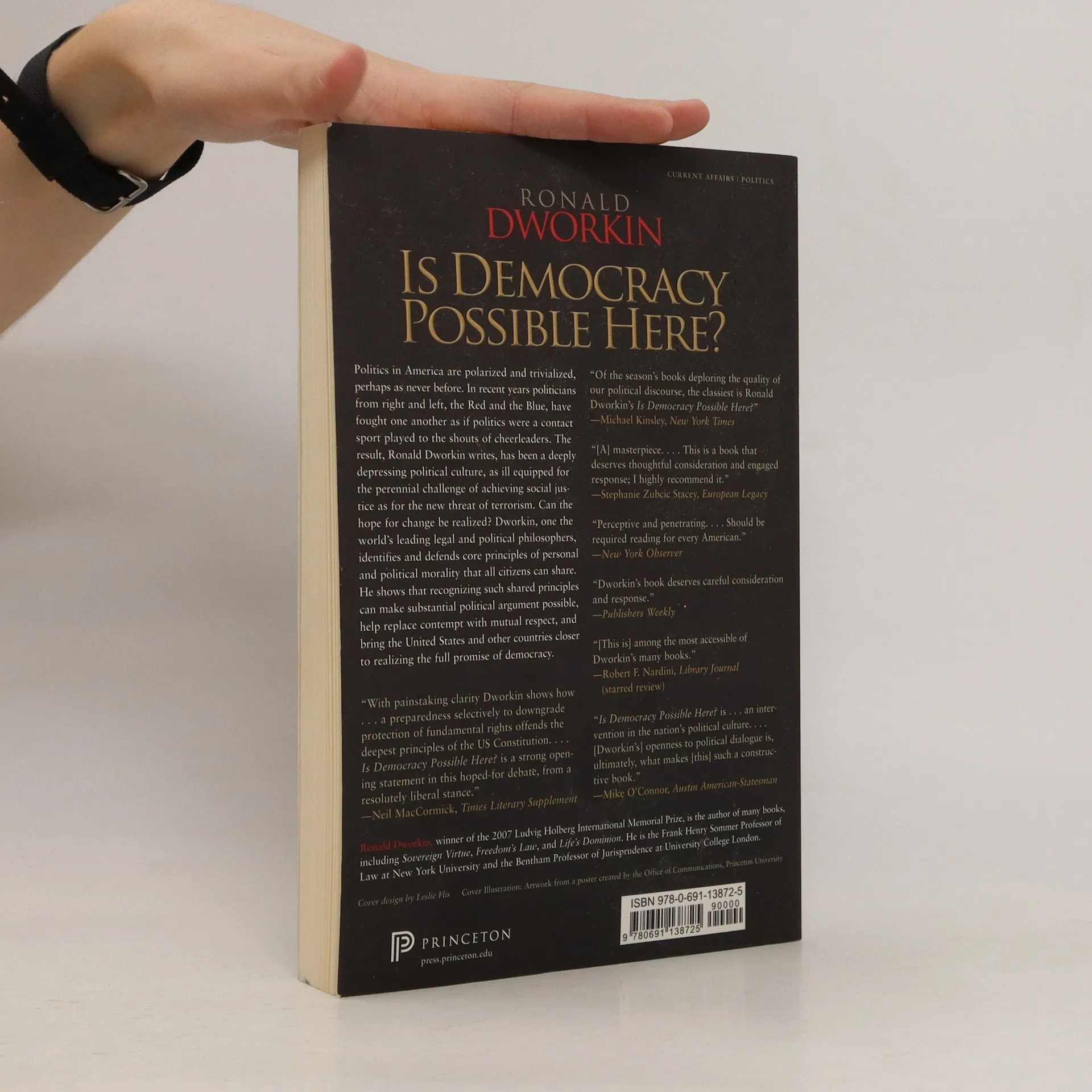
Politics in America are more polarized and trivialized than ever, with fierce battles between the right and left resembling contact sports. This deeply depressing political culture, as noted by Ronald Dworkin, is ill-equipped to tackle social justice or emerging threats like terrorism. Yet, can hope for change emerge? Dworkin, a prominent legal and political philosopher, identifies core principles of personal and political morality that can unite citizens. He argues that recognizing these shared principles can foster substantial political discourse and replace contempt with mutual respect, enabling democracy's full promise to be realized. The two core principles he emphasizes are: first, the intrinsic and equal value of each human life; and second, the inalienable personal responsibility of individuals to identify and realize value in their lives. Dworkin explores the implications of these principles for human rights, the role of religion in public life, economic justice, and the essence of democracy. He posits that liberal conclusions naturally arise from these principles, which challenge the goals of religious conservatives and current tax and social policies, as well as aspects of the War on Terror. Ultimately, Dworkin aims to persuade Americans across the political spectrum—and citizens of similar cultures worldwide—that they can and must defend their convictions through their interpretations of these shared values.
Zakup książki
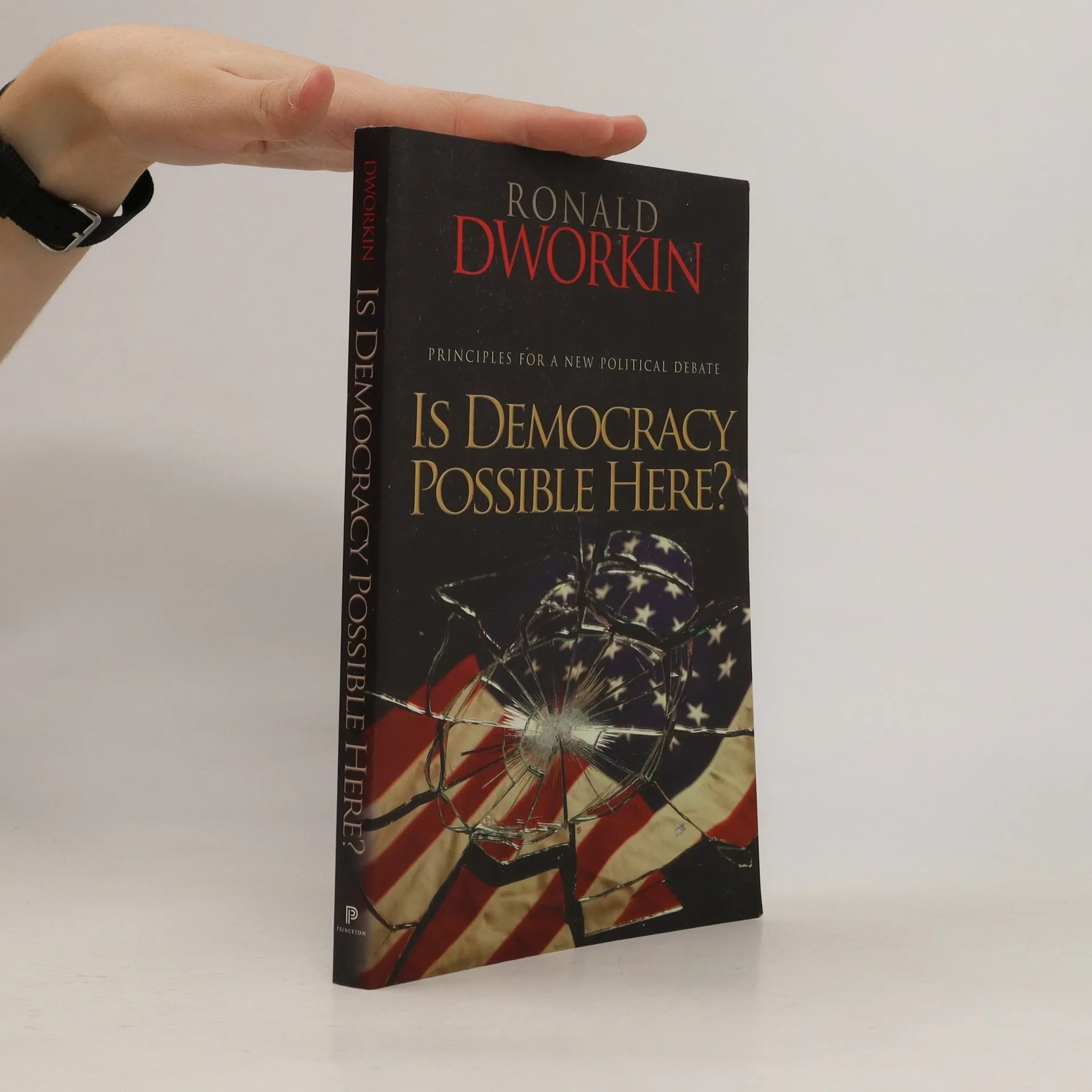
Is Democracy Possible Here?, Ronald M. Dworkin
- Język

- Rok wydania
- 2008
- Oprawa
- (miękka)
Metody płatności
Brakuje nam tutaj Twojej recenzji.
- Tytuł
- Is Democracy Possible Here?
- Język
- angielski
- Autorzy
- Ronald M. Dworkin
- Wydawca
- Princeton University Press
- Rok wydania
- 2008
- Oprawa
- miękka
- Liczba stron
- 192
- ISBN10
- 0691138729
- ISBN13
- 9780691138725
- Seria
- Kategorie
- Ocena
- 3,35 z 5
- Opis
- Politics in America are more polarized and trivialized than ever, with fierce battles between the right and left resembling contact sports. This deeply depressing political culture, as noted by Ronald Dworkin, is ill-equipped to tackle social justice or emerging threats like terrorism. Yet, can hope for change emerge? Dworkin, a prominent legal and political philosopher, identifies core principles of personal and political morality that can unite citizens. He argues that recognizing these shared principles can foster substantial political discourse and replace contempt with mutual respect, enabling democracy's full promise to be realized. The two core principles he emphasizes are: first, the intrinsic and equal value of each human life; and second, the inalienable personal responsibility of individuals to identify and realize value in their lives. Dworkin explores the implications of these principles for human rights, the role of religion in public life, economic justice, and the essence of democracy. He posits that liberal conclusions naturally arise from these principles, which challenge the goals of religious conservatives and current tax and social policies, as well as aspects of the War on Terror. Ultimately, Dworkin aims to persuade Americans across the political spectrum—and citizens of similar cultures worldwide—that they can and must defend their convictions through their interpretations of these shared values.