


Więcej o książce
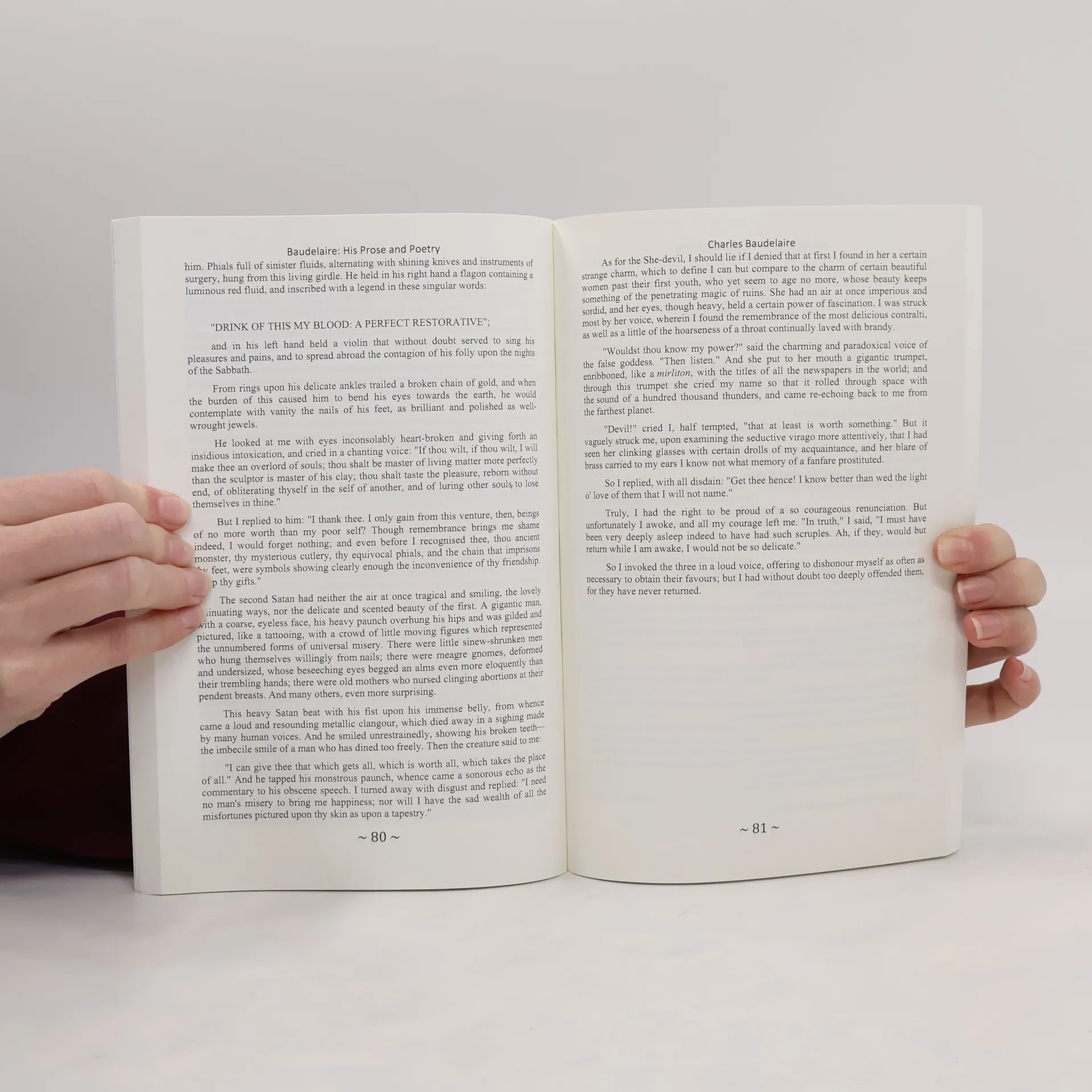
This historic book may contain numerous typos and missing text. Purchasers can download a free scanned copy of the original book (without typos) from the publisher. Not indexed or illustrated. The 1919 edition includes an excerpt where the narrator reflects on the presence of a guiding spirit, akin to Socrates' good Demon. Unlike Socrates' prohibitive spirit, which warned and forbade, the narrator's spirit is affirming and encourages action. Inspired by this voice, the narrator confronts a beggar, believing that true equality and worthiness of freedom come from the ability to secure it. In a fit of aggression, the narrator attacks the beggar, inflicting severe injuries. Despite a lack of physical prowess, the narrator employs a mix of violence and cunning, ensuring they are out of sight of the law. The struggle escalates as the narrator uses a tree branch to beat the beggar with relentless energy, likening the act to a cook tenderizing meat. This moment serves as a revelation, showcasing the philosopher's joy in proving a theory through action, culminating in a dramatic confrontation that challenges the boundaries of morality and power.
Zakup książki
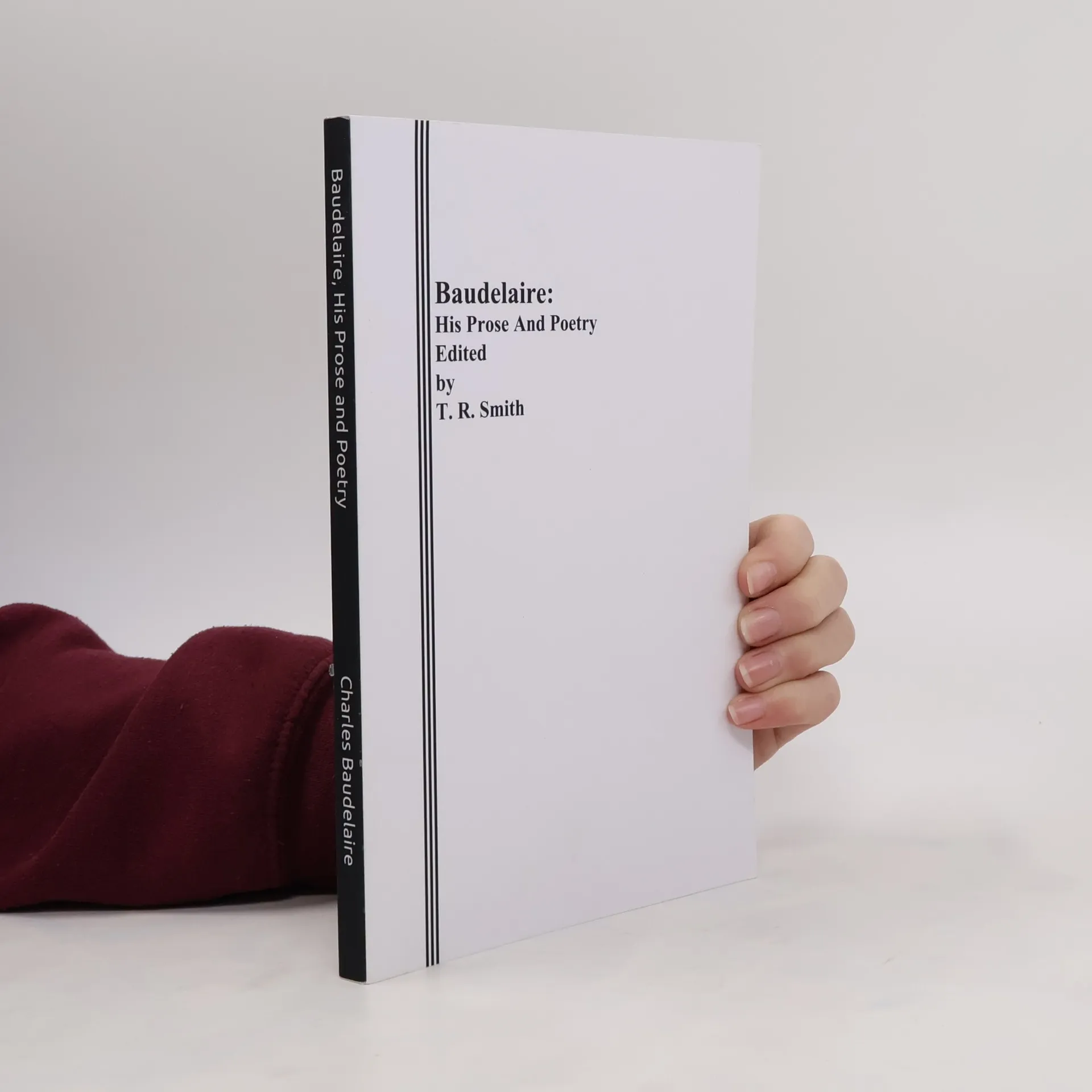
Baudelaire, His Prose and Poetry, T. R. Smith
- Język

- Rok wydania
- 2019
- Oprawa
- (miękka)
Metody płatności
Nikt jeszcze nie ocenił.
- Tytuł
- Baudelaire, His Prose and Poetry
- Język
- angielski
- Autorzy
- T. R. Smith
- Wydawca
- Loki's Publishing
- Rok wydania
- 2019
- Oprawa
- miękka
- Liczba stron
- 165
- ISBN10
- 1636007007
- ISBN13
- 9781636007007
- Seria
- Tagi
- Opis
- This historic book may contain numerous typos and missing text. Purchasers can download a free scanned copy of the original book (without typos) from the publisher. Not indexed or illustrated. The 1919 edition includes an excerpt where the narrator reflects on the presence of a guiding spirit, akin to Socrates' good Demon. Unlike Socrates' prohibitive spirit, which warned and forbade, the narrator's spirit is affirming and encourages action. Inspired by this voice, the narrator confronts a beggar, believing that true equality and worthiness of freedom come from the ability to secure it. In a fit of aggression, the narrator attacks the beggar, inflicting severe injuries. Despite a lack of physical prowess, the narrator employs a mix of violence and cunning, ensuring they are out of sight of the law. The struggle escalates as the narrator uses a tree branch to beat the beggar with relentless energy, likening the act to a cook tenderizing meat. This moment serves as a revelation, showcasing the philosopher's joy in proving a theory through action, culminating in a dramatic confrontation that challenges the boundaries of morality and power.