


Więcej o książce
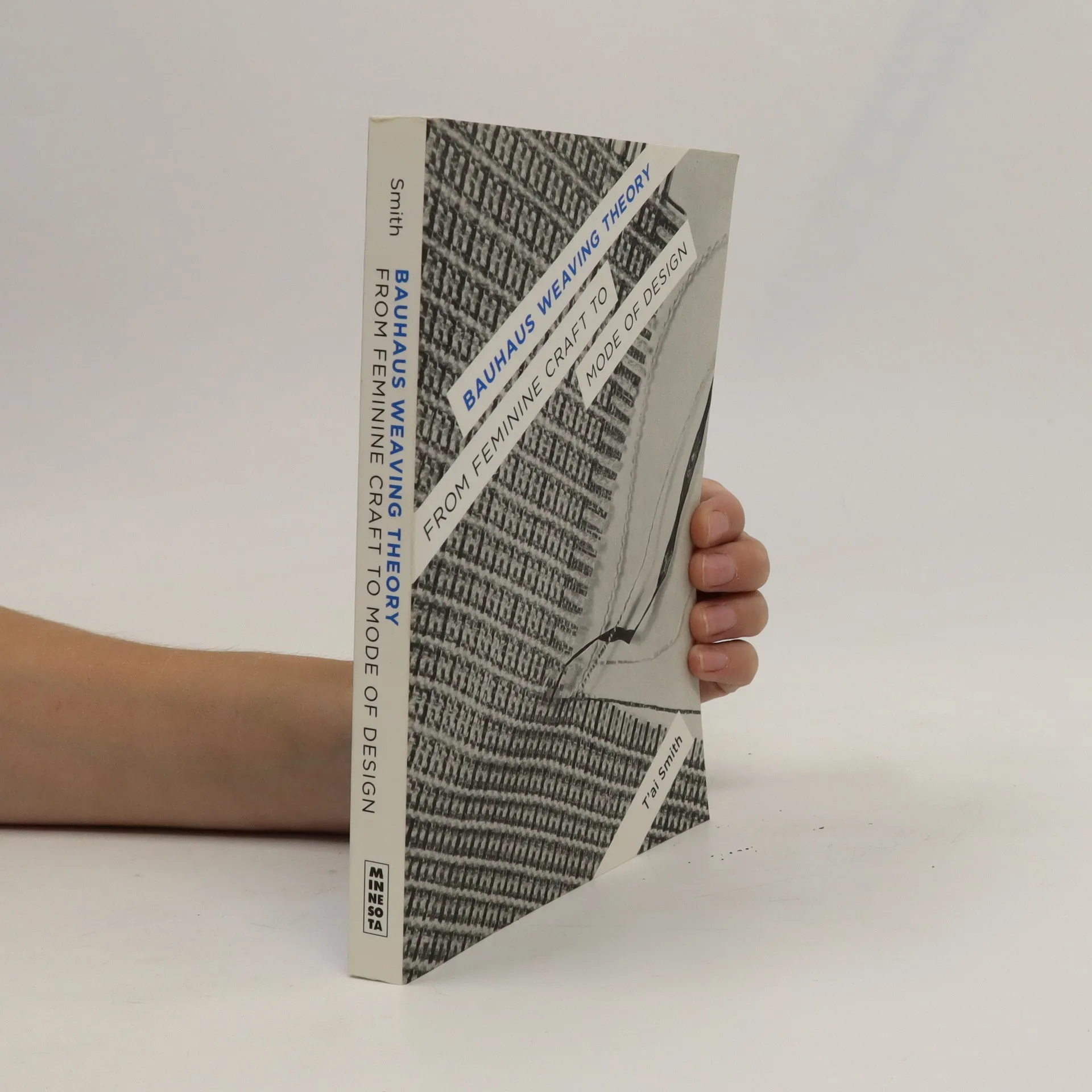
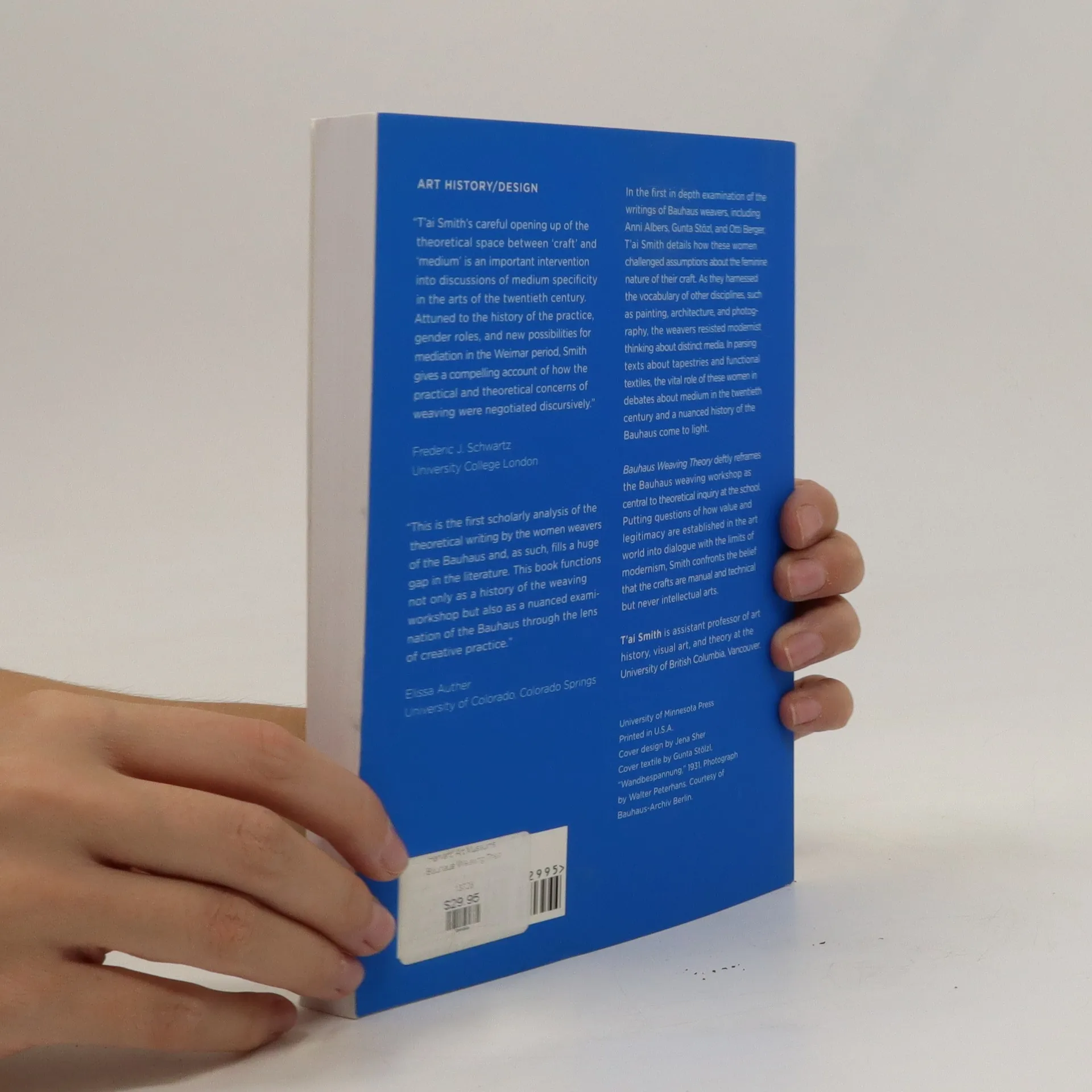
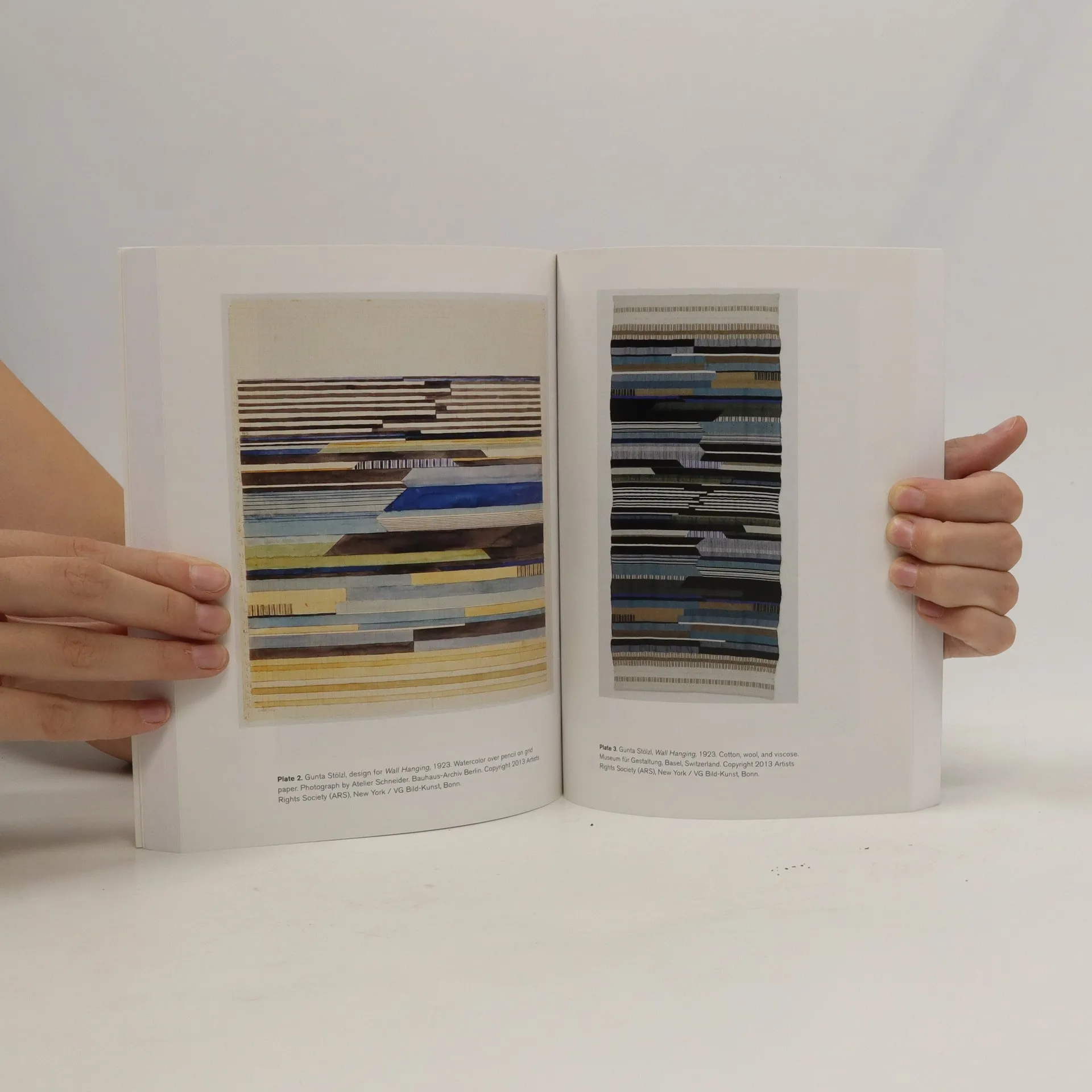
The Bauhaus school in Germany is often viewed through the lens of its founding director, Walter Gropius, and prominent artists like Wassily Kandinsky and László Moholy-Nagy. However, the contributions of women in the weaving workshop have been largely overlooked. In Bauhaus Weaving Theory, T'ai Smith reveals the significance of the writings by these weavers. Their innovative creations, from vibrant tapestries to soundproofing and light-reflective fabrics, played a crucial role in shaping modernist weaving theory. This work represents the first in-depth examination of the writings of notable Bauhaus weavers such as Anni Albers, Gunta Stözl, and Otti Berger, highlighting how they challenged the perception of their craft as merely feminine. By integrating vocabulary from painting, architecture, and photography, the weavers resisted narrow modernist definitions of media. Analyzing texts on tapestries and functional textiles, Smith illuminates the essential role these women had in shaping debates about artistic mediums in the twentieth century and offers a more nuanced history of the Bauhaus. The book reframes the weaving workshop as central to the school's theoretical exploration, engaging with questions of value and legitimacy in the art world while challenging the notion that crafts are solely manual and technical, rather than intellectual arts.
Zakup książki
Bauhaus weaving theory, T. ai Lin Smith
- Język

- Rok wydania
- 2014
- Oprawa
- (miękka)
Metody płatności
Nikt jeszcze nie ocenił.
- Tytuł
- Bauhaus weaving theory
- Język
- angielski
- Autorzy
- T. ai Lin Smith
- Rok wydania
- 2014
- Oprawa
- miękka
- Liczba stron
- 229
- ISBN10
- 0816687234
- ISBN13
- 9780816687237
- Seria
- Tagi
- Sztuka, Tematyka mody
- Opis
- The Bauhaus school in Germany is often viewed through the lens of its founding director, Walter Gropius, and prominent artists like Wassily Kandinsky and László Moholy-Nagy. However, the contributions of women in the weaving workshop have been largely overlooked. In Bauhaus Weaving Theory, T'ai Smith reveals the significance of the writings by these weavers. Their innovative creations, from vibrant tapestries to soundproofing and light-reflective fabrics, played a crucial role in shaping modernist weaving theory. This work represents the first in-depth examination of the writings of notable Bauhaus weavers such as Anni Albers, Gunta Stözl, and Otti Berger, highlighting how they challenged the perception of their craft as merely feminine. By integrating vocabulary from painting, architecture, and photography, the weavers resisted narrow modernist definitions of media. Analyzing texts on tapestries and functional textiles, Smith illuminates the essential role these women had in shaping debates about artistic mediums in the twentieth century and offers a more nuanced history of the Bauhaus. The book reframes the weaving workshop as central to the school's theoretical exploration, engaging with questions of value and legitimacy in the art world while challenging the notion that crafts are solely manual and technical, rather than intellectual arts.