



Więcej o książce
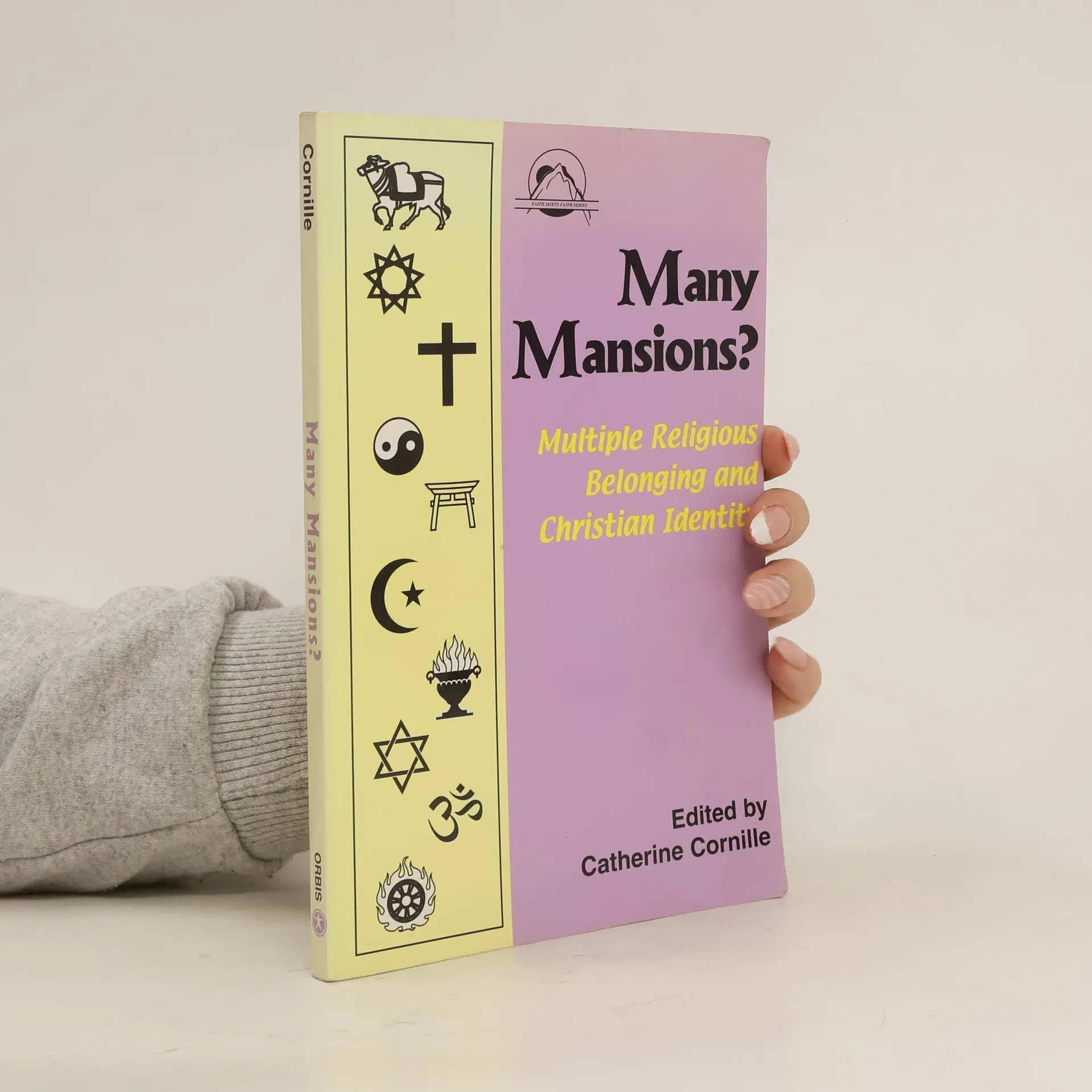
Catherine Cornille has gathered ten superb essays that explore the growing phenomenon of individuals identifying themselves as followers of more than one religious tradition. The essays are scholarly in tone but superbly edited to make them an essential, readable part of every serious course on interreligious interchange. Cornille, Jan Van Bragt, Francis Clooney, and Elisabeth Harris discuss the phenomenon in general and in relation to Japan, India, and Sri Lanka. John B. Cobb, Jr., Jacques Dupuis, Werner Jeanrond, and Claude Geffre offer critical and positive reflections on the phenomenon, while Joseph O'Leary and Raimon Panikkar offer Buddhist and philosophical reflections on the limitations of Western either/or approaches to religious identity. Each author writes from a lifetime of study and experience. Their reflections will illuminate this important reality that has crept up on the world over the last twenty years. The result will prove that the late Joseph Kitagawa was prescient when he cautioned that the world is "Easternizing" as much as it is "Westernizing, " and that "modernizing" is perhaps a far from adequate key to naming the dominant pattern in world history in our age.
Zakup książki
Many Mansions?, Catherine Cornille
- Język

- Rok wydania
- 2002
- Oprawa
- (miękka)
Metody płatności
Brakuje nam tutaj Twojej recenzji.
- Tytuł
- Many Mansions?
- Podtytuł
- Multiple Religious Belonging and Christian Identity
- Język
- angielski
- Autorzy
- Catherine Cornille
- Wydawca
- Orbis Books (USA)
- Rok wydania
- 2002
- Oprawa
- miękka
- Liczba stron
- 192
- ISBN10
- 157075439X
- ISBN13
- 9781570754395
- Seria
- Kategorie
- Tagi
- Tematy religijne, Teologia
- Ocena
- 3,5 z 5
- Opis
- Catherine Cornille has gathered ten superb essays that explore the growing phenomenon of individuals identifying themselves as followers of more than one religious tradition. The essays are scholarly in tone but superbly edited to make them an essential, readable part of every serious course on interreligious interchange. Cornille, Jan Van Bragt, Francis Clooney, and Elisabeth Harris discuss the phenomenon in general and in relation to Japan, India, and Sri Lanka. John B. Cobb, Jr., Jacques Dupuis, Werner Jeanrond, and Claude Geffre offer critical and positive reflections on the phenomenon, while Joseph O'Leary and Raimon Panikkar offer Buddhist and philosophical reflections on the limitations of Western either/or approaches to religious identity. Each author writes from a lifetime of study and experience. Their reflections will illuminate this important reality that has crept up on the world over the last twenty years. The result will prove that the late Joseph Kitagawa was prescient when he cautioned that the world is "Easternizing" as much as it is "Westernizing, " and that "modernizing" is perhaps a far from adequate key to naming the dominant pattern in world history in our age.