

Więcej o książce
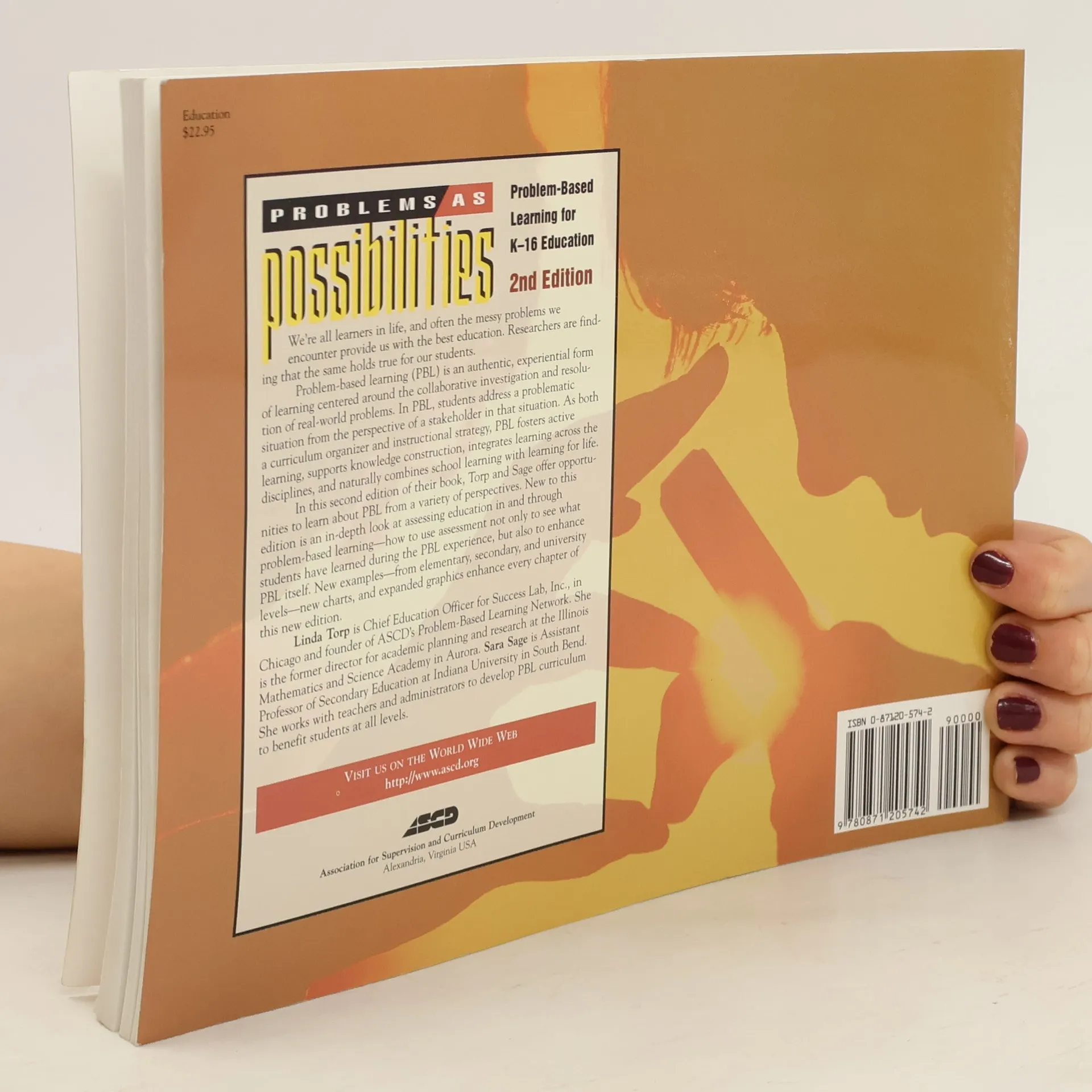
We're all learners on life's journey, and often the messy problems we encounter present us with the best education. Researchers are finding that the same concept holds true for students in our classrooms. Problem-based learning (PBL) is an authentic, experiential form of learning centered around the collaborative investigation and resolution of real-world problems. In PBL, students address a problematic situation from the perspective of a stakeholder in the situation. As both a curriculum organizer and instructional strategy, PBL fosters active learning, supports knowledge construction, integrates disciplines, and naturally combines school learning with real life. In this second edition of their book, Torp and Sage offer opportunities to learn about PBL from a variety of perspectives. New to this edition is an in-depth look at assessing education in and through problem-based learning—how to use assessment not only to see what students have learned during the PBL experience, but also how to use assessment to enhance PBL itself. New examples—from elementary, secondary, and university levels—new charts, and expanded graphics enhance every chapter of this new edition.
Zakup książki
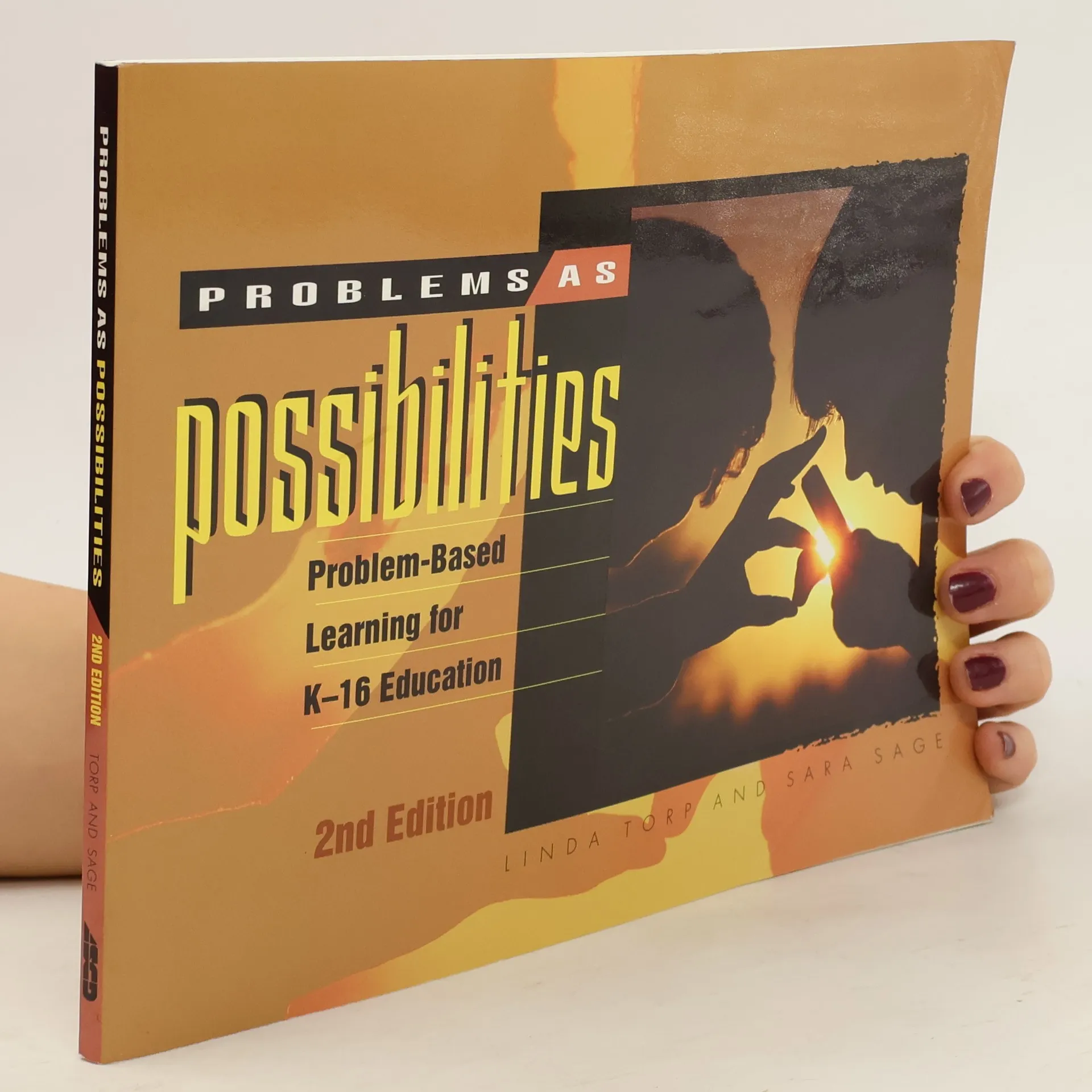
Problems as possibilities problem-based learning for K-16 education 2nd Edition, Linda Torp, Sara Sage
- Język

- Rok wydania
- 2002
- Oprawa
- (miękka)
Metody płatności
Brakuje nam tutaj Twojej recenzji.
- Tytuł
- Problems as possibilities problem-based learning for K-16 education 2nd Edition
- Język
- angielski
- Autorzy
- Linda Torp, Sara Sage
- Rok wydania
- 2002
- Oprawa
- miękka
- ISBN10
- 0871205742
- ISBN13
- 9780871205742
- Seria
- Ocena
- 3,8 z 5
- Opis
- We're all learners on life's journey, and often the messy problems we encounter present us with the best education. Researchers are finding that the same concept holds true for students in our classrooms. Problem-based learning (PBL) is an authentic, experiential form of learning centered around the collaborative investigation and resolution of real-world problems. In PBL, students address a problematic situation from the perspective of a stakeholder in the situation. As both a curriculum organizer and instructional strategy, PBL fosters active learning, supports knowledge construction, integrates disciplines, and naturally combines school learning with real life. In this second edition of their book, Torp and Sage offer opportunities to learn about PBL from a variety of perspectives. New to this edition is an in-depth look at assessing education in and through problem-based learning—how to use assessment not only to see what students have learned during the PBL experience, but also how to use assessment to enhance PBL itself. New examples—from elementary, secondary, and university levels—new charts, and expanded graphics enhance every chapter of this new edition.