


Więcej o książce
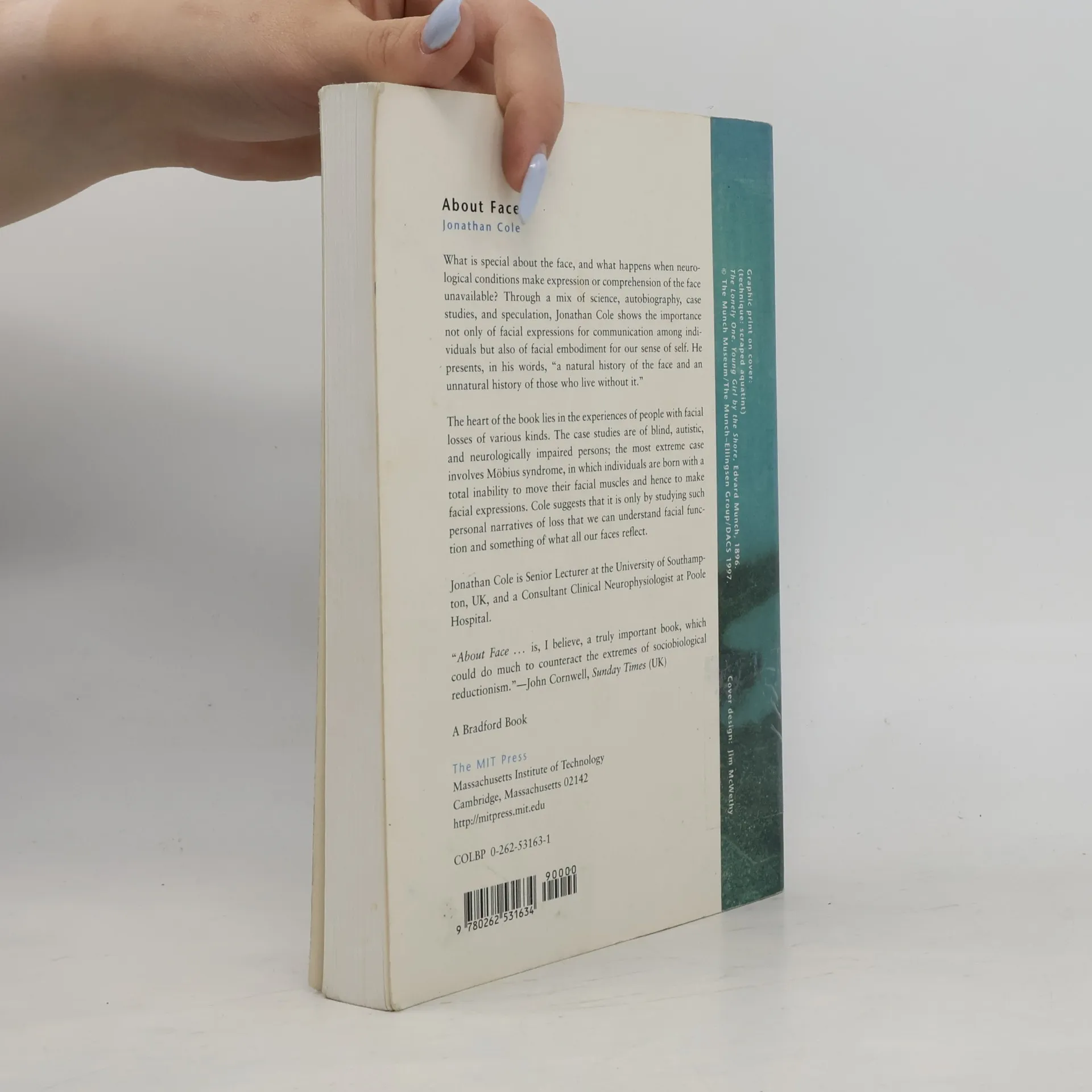
What is special about the face, and what happens when neurological conditions make expression or comprehension of the face unavailable? Through a mix of science, autobiography, case studies, and speculation, Jonathan Cole shows the importance not only of facial expressions for communication among individuals but also of facial embodiment for our sense of self. He presents, in his words, "a natural history of the face and an unnatural history of those who live without it." The heart of the book lies in the experiences of people with facial losses of various kinds. The case studies are of blind, autistic, and neurologically impaired persons; the most extreme case involves Mobius syndrome, in which individuals are born with a total inability to move their facial muscles and hence to make facial expressions. Cole suggests that it is only by studying such personal narratives of loss that we can understand facial function and something of what all our faces reflect.
Zakup książki
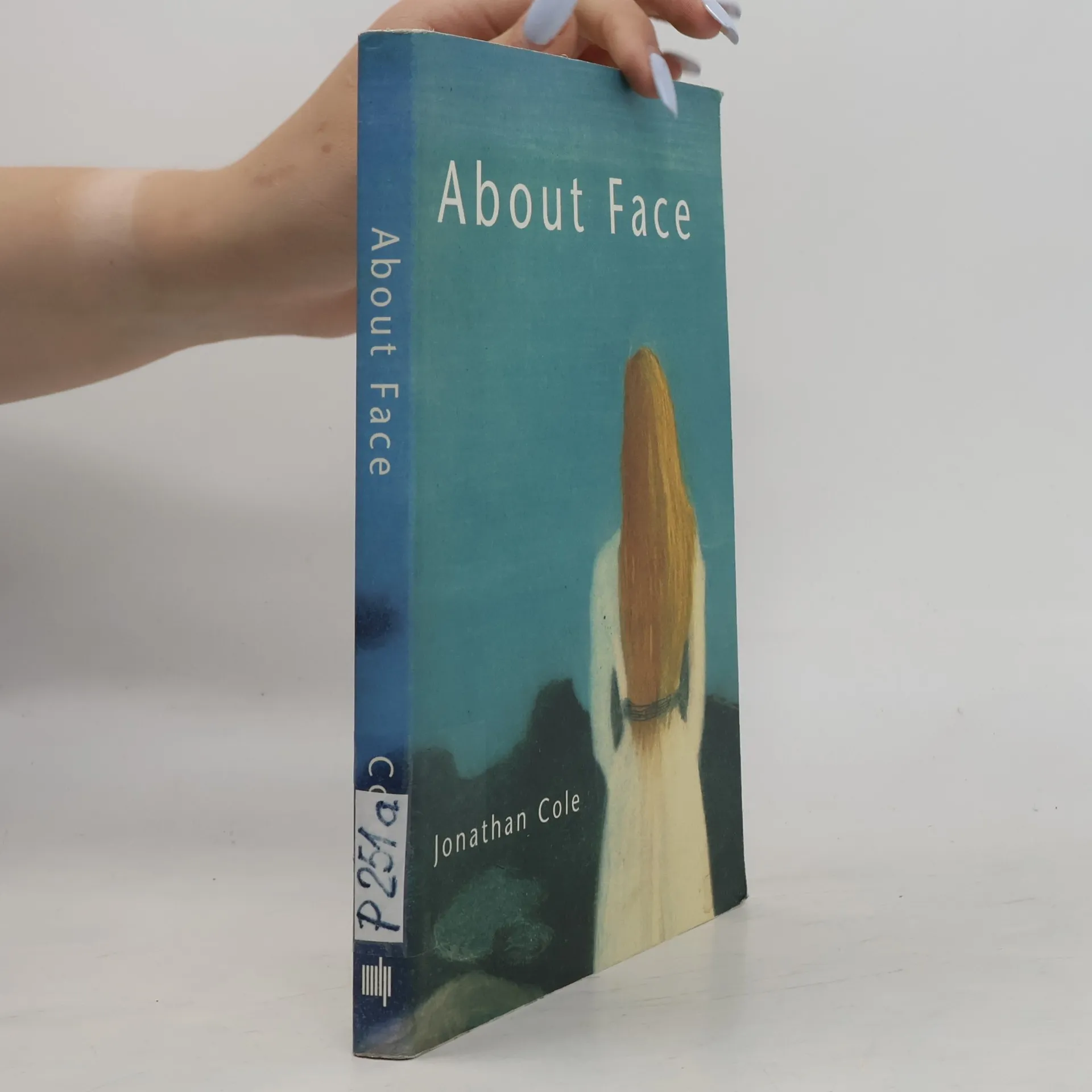
About Face, Jonathan Cole
- Język

- Rok wydania
- 1999
- Oprawa
- (miękka)
Metody płatności
Brakuje nam tutaj Twojej recenzji.
- Tytuł
- About Face
- Język
- angielski
- Autorzy
- Jonathan Cole
- Wydawca
- MIT Press
- Rok wydania
- 1999
- Oprawa
- miękka
- Liczba stron
- 234
- ISBN10
- 0262531631
- ISBN13
- 9780262531634
- Seria
- Tagi
- Ocena
- 3,2 z 5
- Opis
- What is special about the face, and what happens when neurological conditions make expression or comprehension of the face unavailable? Through a mix of science, autobiography, case studies, and speculation, Jonathan Cole shows the importance not only of facial expressions for communication among individuals but also of facial embodiment for our sense of self. He presents, in his words, "a natural history of the face and an unnatural history of those who live without it." The heart of the book lies in the experiences of people with facial losses of various kinds. The case studies are of blind, autistic, and neurologically impaired persons; the most extreme case involves Mobius syndrome, in which individuals are born with a total inability to move their facial muscles and hence to make facial expressions. Cole suggests that it is only by studying such personal narratives of loss that we can understand facial function and something of what all our faces reflect.