

Więcej o książce
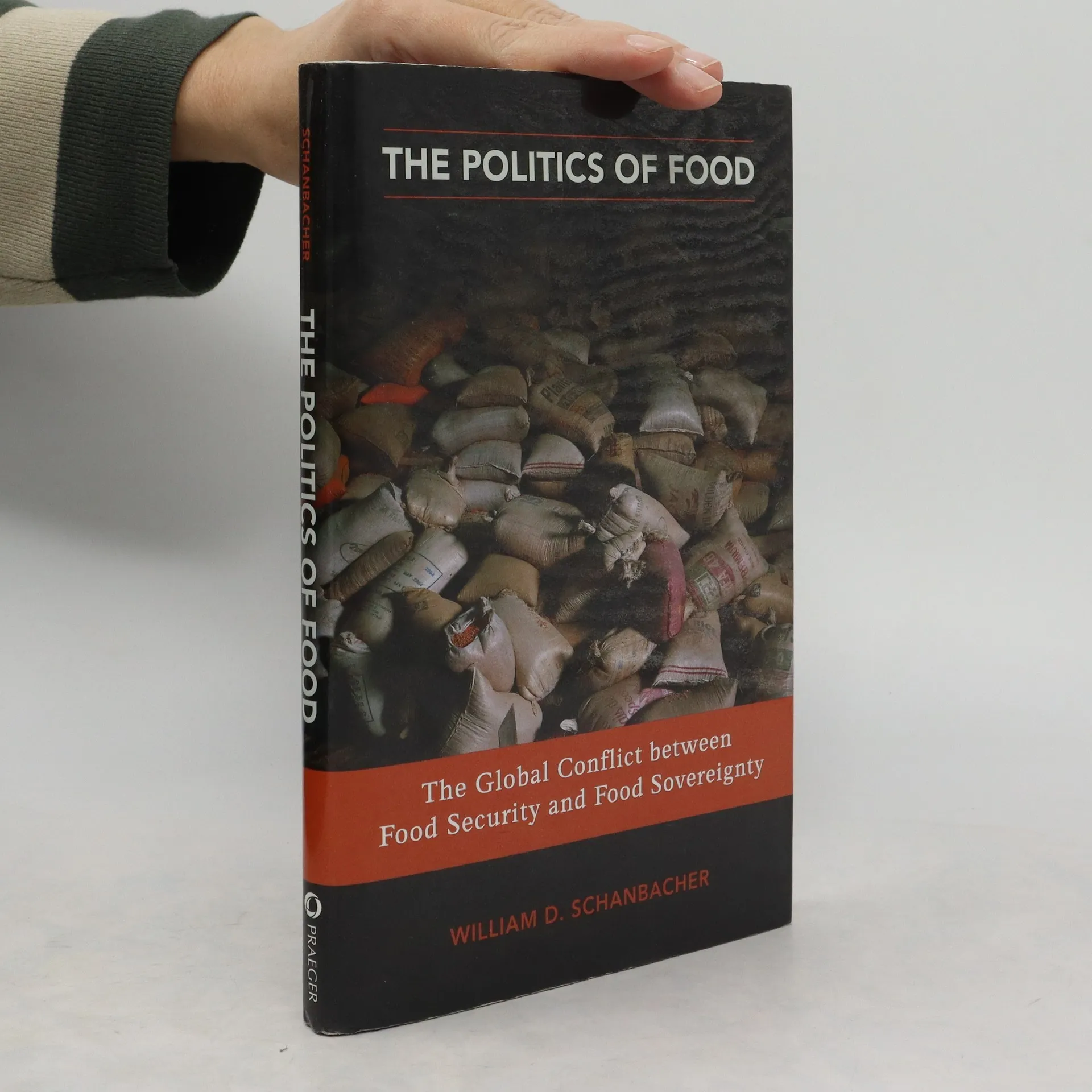
A description of the current global food system, this book challenges our ethical responsibility to the global poor and implicates us all for failing to curb global hunger and malnutrition.The Politics of The Global Conflict between Food Security and Food Sovereignty argues that our current global food system constitutes a massive violation of human rights.In this impassioned, well-researched book, William Schanbacher makes the case that the food security model for combating global hunger―driven by the United Nations, the World Bank, the International Monetary Fund, and other organizations―is a failure, too dependent on trade and too reliant on international agribusiness. Instead, the emerging model of food sovereignty―helping local farmers and businesses produce better quality food―is the more effective and responsible approach. Through numerous case studies, the book examines critical issues of global trade and corporate monopolization of the food industry, while examining the emerging social justice movements that seek to make food sovereignty the model for battling hunger.
Zakup książki
The politics of food, William D Schanbacher
- Język

- Rok wydania
- 2010
- Oprawa
- (twarda)
Metody płatności
Brakuje nam tutaj Twojej recenzji.
- Tytuł
- The politics of food
- Język
- angielski
- Autorzy
- William D Schanbacher
- Rok wydania
- 2010
- Oprawa
- twarda
- Liczba stron
- 168
- ISBN10
- 0313363285
- ISBN13
- 9780313363283
- Seria
- Kategorie
- Tagi
- Jedzenie
- Ocena
- 3,65 z 5
- Opis
- A description of the current global food system, this book challenges our ethical responsibility to the global poor and implicates us all for failing to curb global hunger and malnutrition.The Politics of The Global Conflict between Food Security and Food Sovereignty argues that our current global food system constitutes a massive violation of human rights.In this impassioned, well-researched book, William Schanbacher makes the case that the food security model for combating global hunger―driven by the United Nations, the World Bank, the International Monetary Fund, and other organizations―is a failure, too dependent on trade and too reliant on international agribusiness. Instead, the emerging model of food sovereignty―helping local farmers and businesses produce better quality food―is the more effective and responsible approach. Through numerous case studies, the book examines critical issues of global trade and corporate monopolization of the food industry, while examining the emerging social justice movements that seek to make food sovereignty the model for battling hunger.