



Więcej o książce
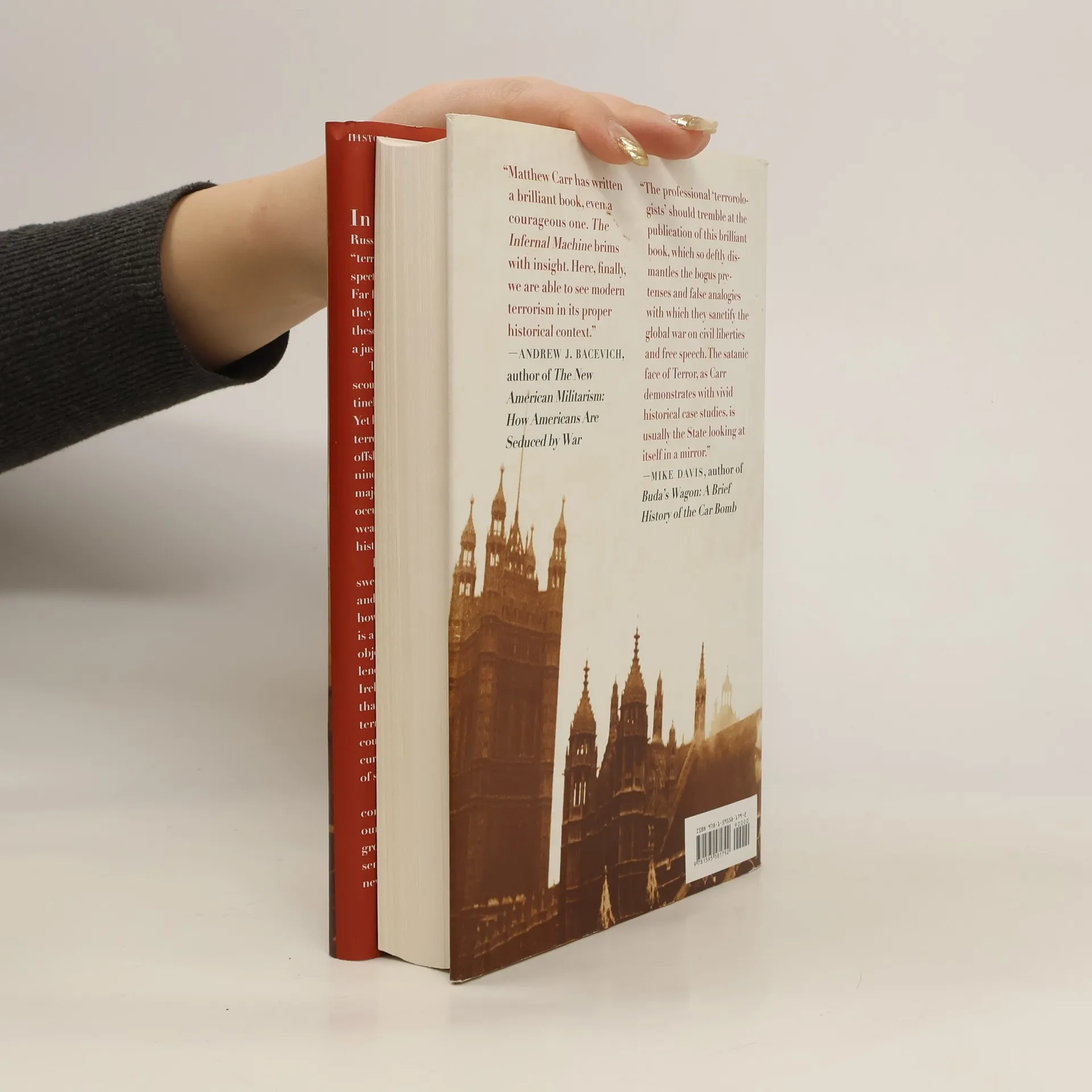
In 1881, a group of Russian revolutionaries, identifying as "terrorists," assassinated Tsar Nicholas II in a dramatic bombing in St. Petersburg. Contrary to the portrayal of these individuals as psychopathic murderers in the Russian press, they believed their actions were a just response to tyranny. Today, political violence is often seen as a modern evil, yet contemporary terrorist organizations are rooted in a long-standing tradition that began in nineteenth-century Europe. This work chronicles significant episodes of terrorist violence throughout history, weaving together a compelling narrative that highlights the complex motivations behind such actions. Writer and journalist Matthew Carr illustrates that terrorist violence, while deplorable, is employed by groups with diverse political aims. The responses to these acts have frequently involved even greater violence, as seen in Ireland, Kenya, Algeria, and Uruguay, where governments have used terrorist attacks as justification for severe countermeasures, often at the expense of civil liberties and democratic institutions. This concise and insightful narrative provides a historical context that sheds light on our current challenges, offering a dramatic reframing of the issues facing our world today.
Zakup książki
The Infernal Machine, Matthew Carr
- Język

- Rok wydania
- 2007
- Oprawa
- (twarda)
Metody płatności
Brakuje nam tutaj Twojej recenzji.
- Tytuł
- The Infernal Machine
- Język
- angielski
- Autorzy
- Matthew Carr
- Wydawca
- New Press
- Rok wydania
- 2007
- Oprawa
- twarda
- Liczba stron
- 416
- ISBN10
- 1595581790
- ISBN13
- 9781595581792
- Seria
- Kategorie
- Tagi
- Tematy historyczne, Wojny, Terroryzm
- Ocena
- 3,75 z 5
- Opis
- In 1881, a group of Russian revolutionaries, identifying as "terrorists," assassinated Tsar Nicholas II in a dramatic bombing in St. Petersburg. Contrary to the portrayal of these individuals as psychopathic murderers in the Russian press, they believed their actions were a just response to tyranny. Today, political violence is often seen as a modern evil, yet contemporary terrorist organizations are rooted in a long-standing tradition that began in nineteenth-century Europe. This work chronicles significant episodes of terrorist violence throughout history, weaving together a compelling narrative that highlights the complex motivations behind such actions. Writer and journalist Matthew Carr illustrates that terrorist violence, while deplorable, is employed by groups with diverse political aims. The responses to these acts have frequently involved even greater violence, as seen in Ireland, Kenya, Algeria, and Uruguay, where governments have used terrorist attacks as justification for severe countermeasures, often at the expense of civil liberties and democratic institutions. This concise and insightful narrative provides a historical context that sheds light on our current challenges, offering a dramatic reframing of the issues facing our world today.