

Więcej o książce
The innovative element of this volume is its overview of the fundamental psycholinguistic topics involved in sentence processing. While most psycholinguistic studies focus on a single language and induce a general model of universal sentence processing, this volume proposes a cross-linguistic approach. It contains two distinct features first embraced in the 18th century by brothers Freiherr Wilhelm von Humboldt and Alexander von Humboldt. First, it offers a linguistic theory that characterizes universal cognitive features of the human language processor (or the mind and its biological source), independent of a single language structure. Second, it contains a language theory which considers the diversity of linguistic structures and provides a powerful theory of language processing. Contributors cover a wide range of topics, including word recognition, fixed expressions, grammatical constraints, empty categories, and parsing. Their research involves analyses of 12 languages. This book provides an overview of central psycholinguistic topics in sentence processing; and combines deductive and inductive methods in fashioning an innovative approach. The contributors address word recognition, fixed expressions, grammatical constraints, empty categories, and parsing. Its original papers form a coherent presentation.
Zakup książki
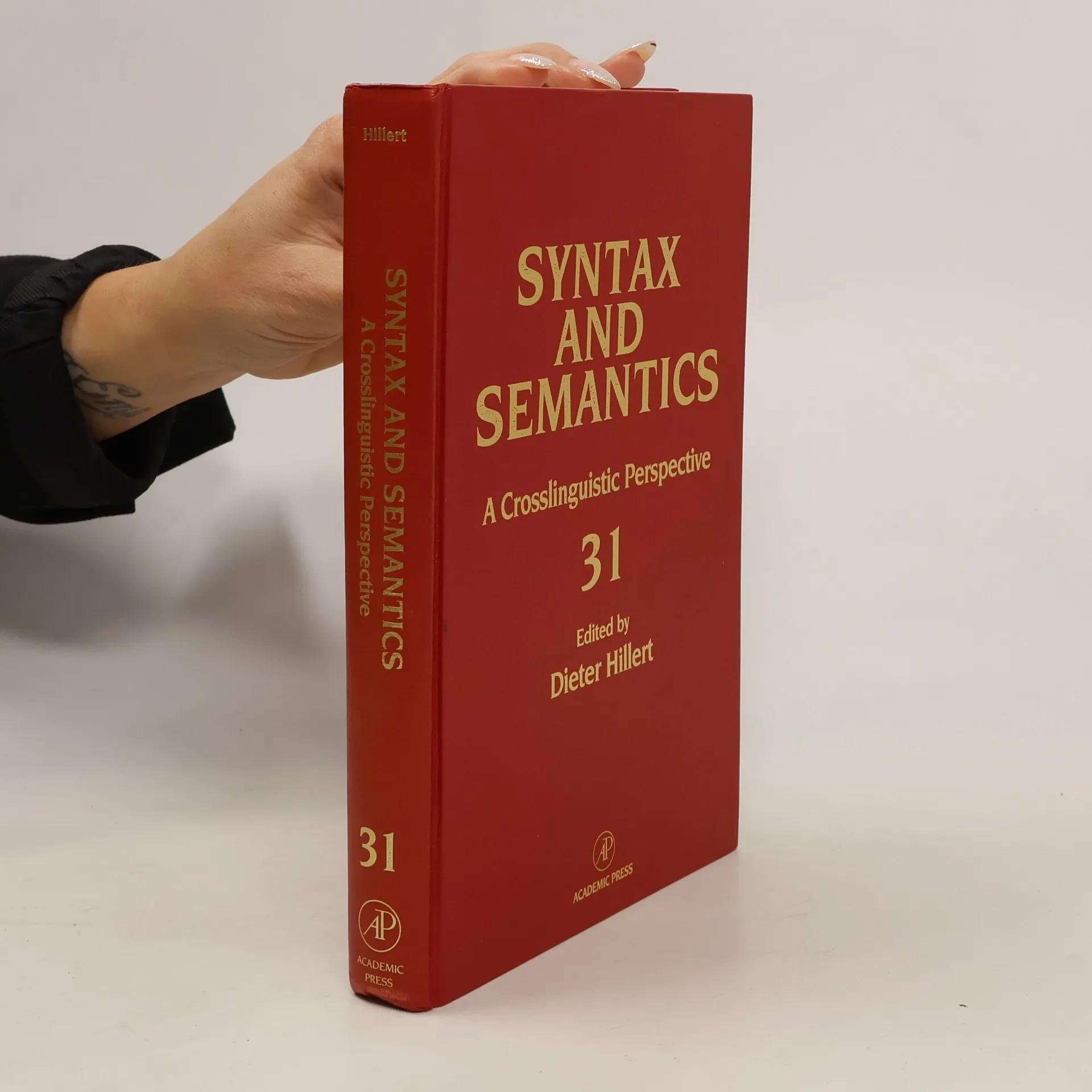
Syntax and Semantics. A Crosslinguistic Perspective 31, Dieter Hillert
- Język

- Rok wydania
- 1998
- Oprawa
- (twarda)
Metody płatności
Nikt jeszcze nie ocenił.
- Tytuł
- Syntax and Semantics. A Crosslinguistic Perspective 31
- Język
- angielski
- Autorzy
- Dieter Hillert
- Wydawca
- Academic press
- Rok wydania
- 1998
- Oprawa
- twarda
- Liczba stron
- 464
- ISBN10
- 0126135312
- ISBN13
- 9780126135312
- Seria
- Kategorie
- Tagi
- Opis
- The innovative element of this volume is its overview of the fundamental psycholinguistic topics involved in sentence processing. While most psycholinguistic studies focus on a single language and induce a general model of universal sentence processing, this volume proposes a cross-linguistic approach. It contains two distinct features first embraced in the 18th century by brothers Freiherr Wilhelm von Humboldt and Alexander von Humboldt. First, it offers a linguistic theory that characterizes universal cognitive features of the human language processor (or the mind and its biological source), independent of a single language structure. Second, it contains a language theory which considers the diversity of linguistic structures and provides a powerful theory of language processing. Contributors cover a wide range of topics, including word recognition, fixed expressions, grammatical constraints, empty categories, and parsing. Their research involves analyses of 12 languages. This book provides an overview of central psycholinguistic topics in sentence processing; and combines deductive and inductive methods in fashioning an innovative approach. The contributors address word recognition, fixed expressions, grammatical constraints, empty categories, and parsing. Its original papers form a coherent presentation.