

Więcej o książce
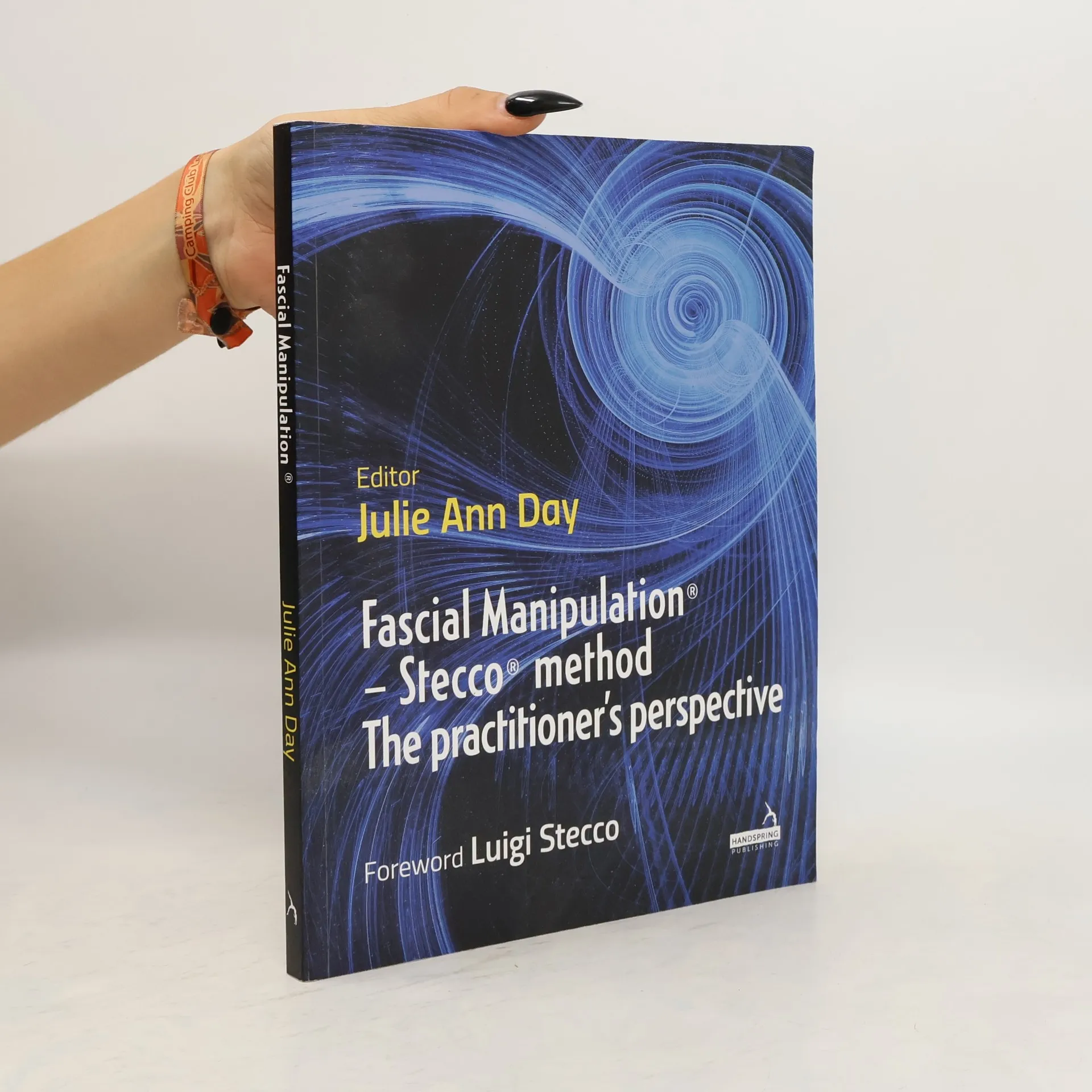
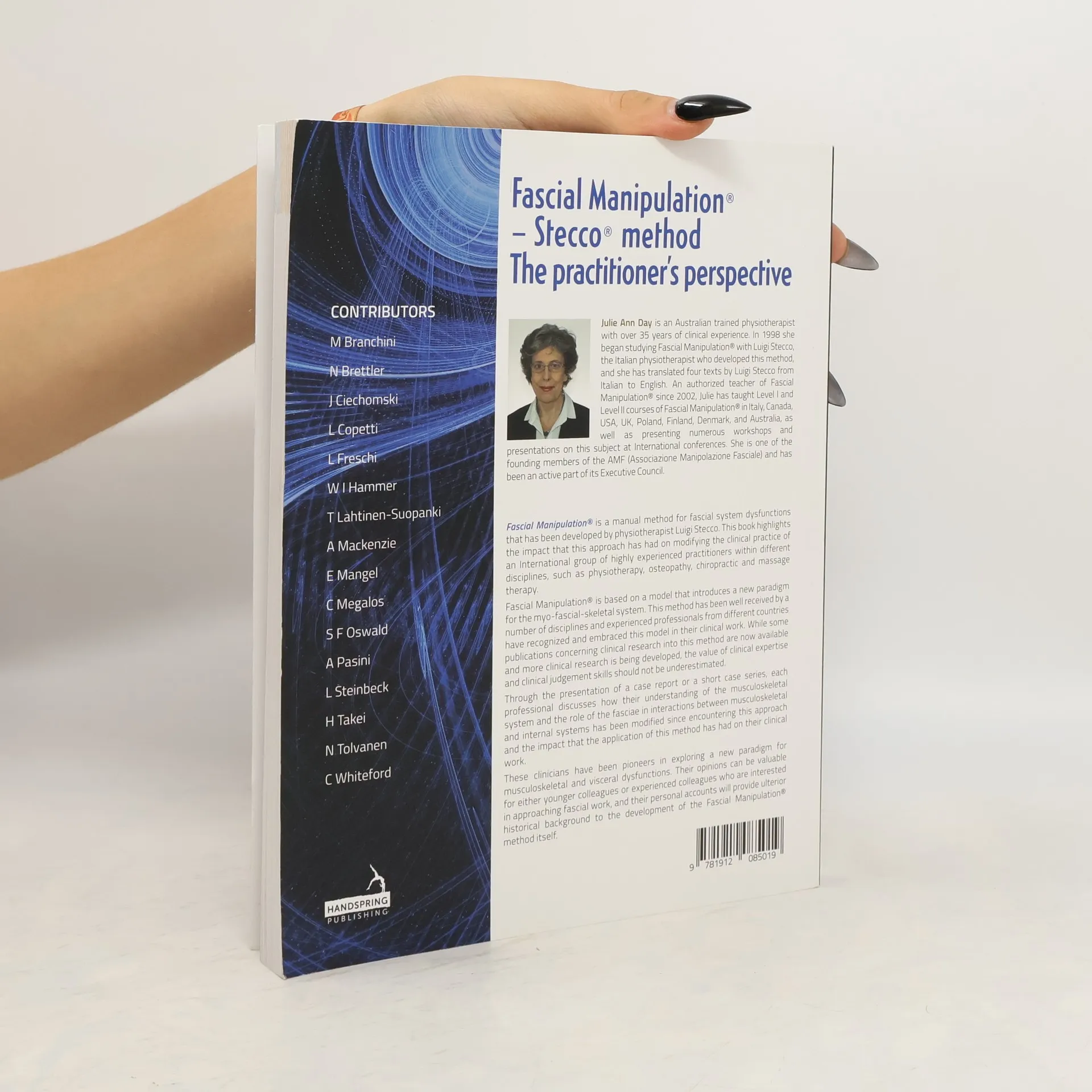
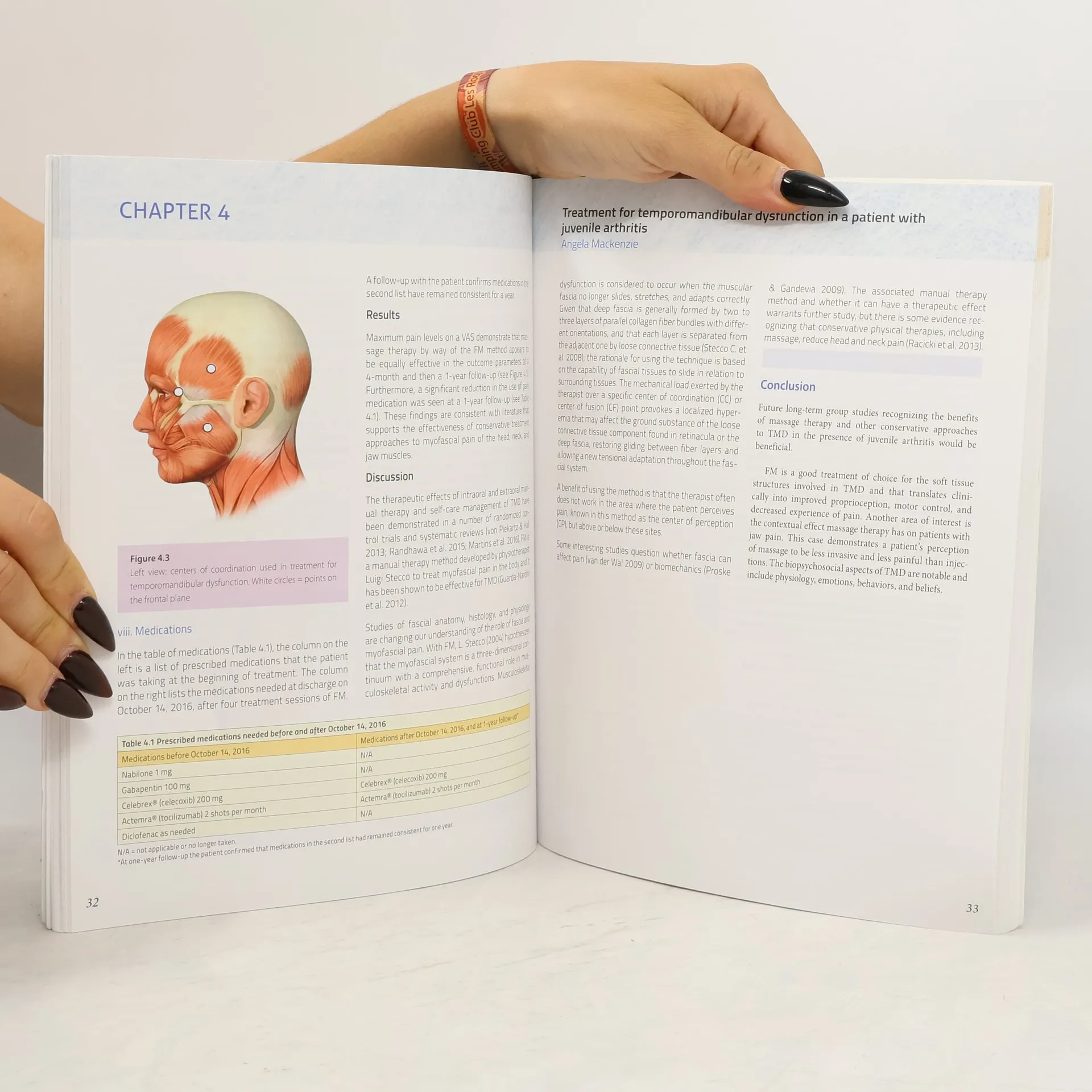
This book explores the impact of the Fascial Manipulation® - Stecco® method for fascial dysfunctions, created by Italian physiotherapist Luigi Stecco, on the clinical practices of 16 practitioners from seven countries across various disciplines, including physiotherapy, chiropractic, osteopathy, and massage therapy. It features insights from experienced practitioners who have embraced Stecco's work and contributed to its dissemination in their regions. Their expert perspectives offer significant value to their peers. An introductory chapter presents the theoretical models and clinical reasoning behind the Fascial Manipulation - Stecco method. Subsequent chapters include detailed case reports, organized into three sections: Musculoskeletal, Internal Dysfunctions, and Other Perspectives, providing valuable information for practitioners of this method and those interested in fascial work. Additionally, the personal narratives included provide historical context for the development and spread of the Fascial Manipulation - Stecco method, which continues to inspire ongoing research in the field.
Zakup książki
Fascial Manipulation(r) - Stecco(r) Method the Practitioner's Perspective, Julie Ann Day
- Język

- Rok wydania
- 2018
- Oprawa
- (miękka)
Metody płatności
Brakuje nam tutaj Twojej recenzji.
- Tytuł
- Fascial Manipulation(r) - Stecco(r) Method the Practitioner's Perspective
- Język
- angielski
- Autorzy
- Julie Ann Day
- Wydawca
- Jessica Kingsley Publishers
- Rok wydania
- 2018
- Oprawa
- miękka
- Liczba stron
- 224
- ISBN13
- 9781912085019
- Seria
- Kategorie
- Tagi
- Sport
- Ocena
- 3 z 5
- Opis
- This book explores the impact of the Fascial Manipulation® - Stecco® method for fascial dysfunctions, created by Italian physiotherapist Luigi Stecco, on the clinical practices of 16 practitioners from seven countries across various disciplines, including physiotherapy, chiropractic, osteopathy, and massage therapy. It features insights from experienced practitioners who have embraced Stecco's work and contributed to its dissemination in their regions. Their expert perspectives offer significant value to their peers. An introductory chapter presents the theoretical models and clinical reasoning behind the Fascial Manipulation - Stecco method. Subsequent chapters include detailed case reports, organized into three sections: Musculoskeletal, Internal Dysfunctions, and Other Perspectives, providing valuable information for practitioners of this method and those interested in fascial work. Additionally, the personal narratives included provide historical context for the development and spread of the Fascial Manipulation - Stecco method, which continues to inspire ongoing research in the field.